- Type
- Lesson plan
- Grade
- Primary (Grades 3-5)
- Ages
- Ages 8-10
- Duration
- about 70 min (suggested)
How do bees transform floral nectar into honey, and why do different honeys look and taste unique?
Overview
Honey represents a remarkable biological process of transformation and cooperation within the hive. In this lesson, learners investigate why bees produce honey, distinguish it from floral nectar and pollen, and uncover how varying regional plants shape distinct honey shades and tastes.
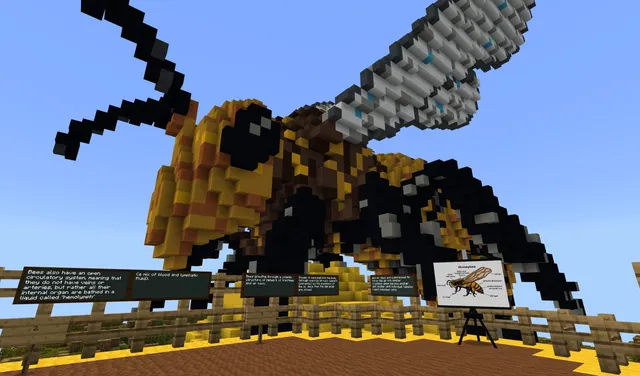
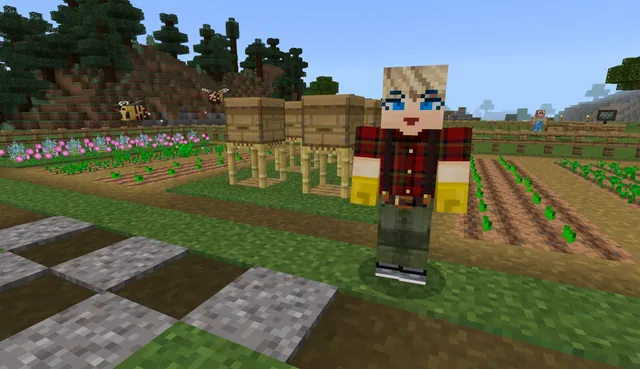
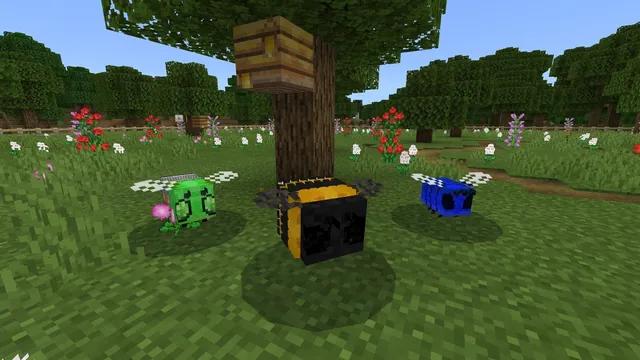
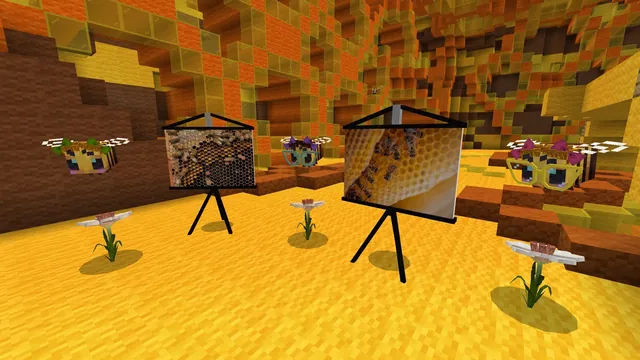
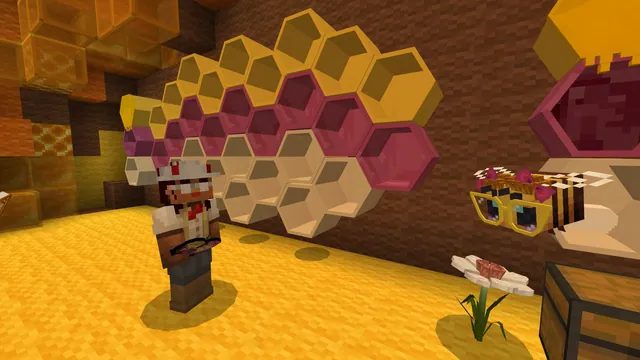
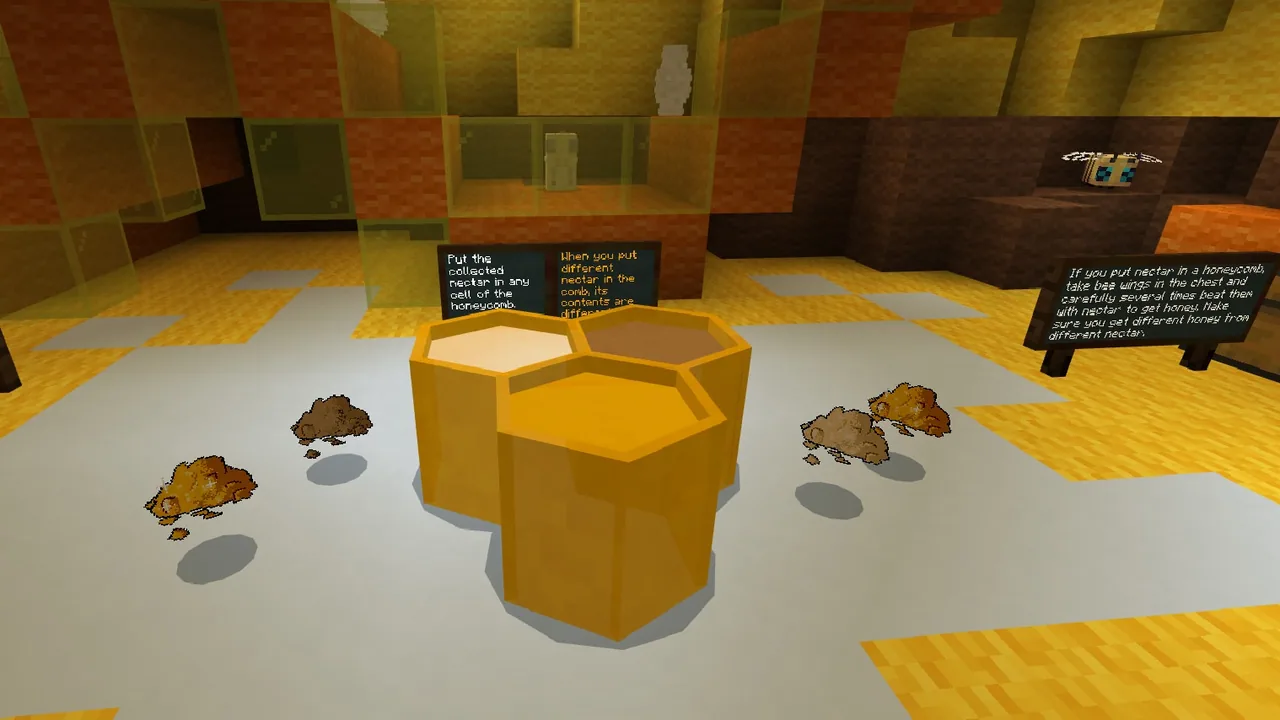
Students load the Kids and Bees world, don a bee costume, and step inside a virtual hive to learn from in-game characters. Guided by bees like Aaliyah, Molly, and Nia, students discover how bees reduce moisture in nectar using heat and wing fanning before returning to the physical classroom to evaluate honey samples.
Learning objectives
By the end of this lesson students will be able to:
- Explain how worker bees gather nectar and reduce its moisture to create honey.
- Distinguish between nectar, pollen, and honey within a colony ecosystem.
- Identify how regional flowering plants alter the color and flavor of honey.
- Record systematic sensory observations during a comparative honey tasting investigation.
Blocks and items used in this lesson


Key vocabulary
- Nectar
- A sugary liquid made by flowering plants that bees collect to make honey.
- Pollen
- Fine powdery grains produced by flowers that bees harvest as food.
- Honey
- A sweet, thick food created when bees evaporate water from nectar using hive heat and wing fanning.
- Cell
- A single hexagonal compartment in a honeycomb used to store food or raise young bees.
Before class
Lesson sequence
Suggested timing: about 70 minutes in total.
- Class Discussion and Video Introduction10 min
Introduce the topic by asking students whether they have tried honey and how they think bees produce it. Watch the suggested introductory video together to see the basic steps of honey production.
- Virtual Hive Exploration25 min
Students load the Kids and Bees world, speak to Bee Girl, and enter the laboratory. After collecting a bee costume, camera, and quill from a chest, students meet the Beekeeper Guide outside the hive and meet bee guide Aaliyah inside to examine nectar collection, comb storage, and wing-fanning behavior.
- Regional Honey Investigation10 min
While still in the honey section of the hive, students consult bees Molly and Nia to discover how local plants influence honey color and flavor. Students record notes on varieties relevant to their region in their journals.
- Hands-On Honey Tasting25 min
Transition to a small-group tasting station featuring light, medium, and dark honey samples. Students record systematic observations on their worksheets, comparing color, clarity, and taste to connect sensory traits with floral sources.
Assessment: success criteria
- Student accurately explains how bees use heat and wing fanning to evaporate water from nectar.
- Student correctly distinguishes the functions of nectar, pollen, and honey.
- Student documents clear, descriptive comparisons of honey samples on the tasting worksheet.
Differentiation
Pair students during the in-game exploration so partners can read NPC dialogues aloud and collaborate on journal notes.
Have students research native flowering plants in their state and predict what colors and flavors of honey those blossoms would produce.
Knowledge check
5 questions to check understanding after the lesson. Tap an answer to see if it is right; the score appears at the end.
1Why do bees fan their wings over nectar stored in honeycomb cells?
Answer: C. Bees use their body heat and wing fanning to reduce moisture content in stored nectar.
2What raw material do bees collect from flowers to turn into honey?
Answer: A. Nectar is the sweet liquid gathered from blossoms that bees transform into honey.
3Which NPC bee inside the virtual hive guides students through the honey-making process?
Answer: D. Bee guide Aaliyah asks students to help her make honey and explains the storage and evaporation steps.
4What is the main reason honey comes in different colors and flavor profiles?
Answer: B. Bees Molly and Nia explain that floral sources and regional geography determine honey color and flavor.
5Which gear do students gather from the laboratory chest before entering the hive?
Answer: B. The scientist in the lab instructs learners to take a bee suit, camera, and quill and paper from the chest.
Resources
- Lesson package (.zip)Everything the author attached to this lesson in one download.
- Honey Tasting Worksheet
- Kids & Bees: Honey Teacher's Guide
Part of the Build with Bees curriculum
This is lesson 9 of 11 in Build with Bees.
- BUILD WITH BEES: ANATOMY
- BUILD WITH BEES: BEE A HERO
- BUILD WITH BEES: BEE NESTS
- BUILD WITH BEES: BEE TREASURES
- BUILD WITH BEES: BEESWAX
- BUILD WITH BEES: BUMBLE BUZZ
- BUILD WITH BEES: FARMING
- BUILD WITH BEES: HABITAT
- BUILD WITH BEES: HONEY
- BUILD WITH BEES: LIFE CYCLE
- BUILD WITH BEES: POLLINATION
Frequently Asked Questions
What should I do if I cannot find local honey for the tasting activity?
You can use standard grocery store varieties as long as they provide visual and taste contrasts, such as pairing light clover honey, amber wildflower honey, and dark buckwheat honey.
How can students participate if they have dietary restrictions or allergies?
Students who cannot consume honey can still participate by examining the visual differences in color, clarity, and viscosity, as well as describing the aroma of each sample without ingesting it.
Adapted from BUILD WITH BEES: HONEY by Sarah Red-Laird on Minecraft Education, last updated Jul 21, 2025. This classroom version, the timings and the quiz were written by 9Minecraft Education.