- Type
- Lesson plan
- Grade
- Primary (Grades 3-5)
- Ages
- Ages 8-10
- Duration
- about 60 min (suggested)
How can individuals and groups take action to protect bees and inspire others to care for them?
Overview
Bees play a vital role in both natural ecosystems and human agriculture, yet they face serious environmental challenges. In this lesson, students explore the concept of advocacy, defined as compassion in action, and discover how people can communicate and act to help others care for pollinators.
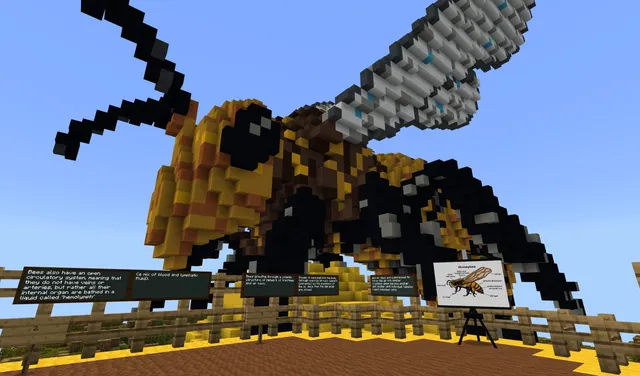
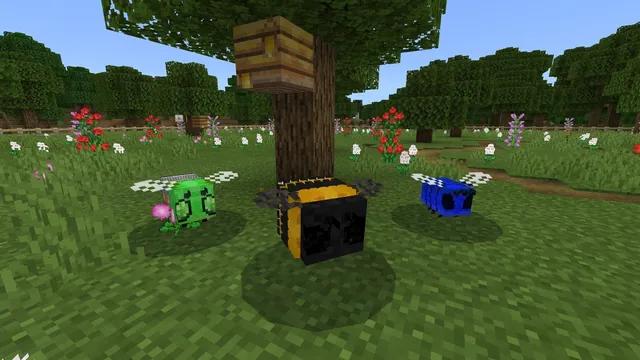
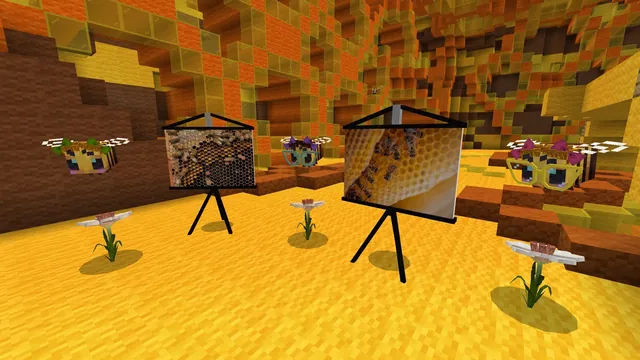
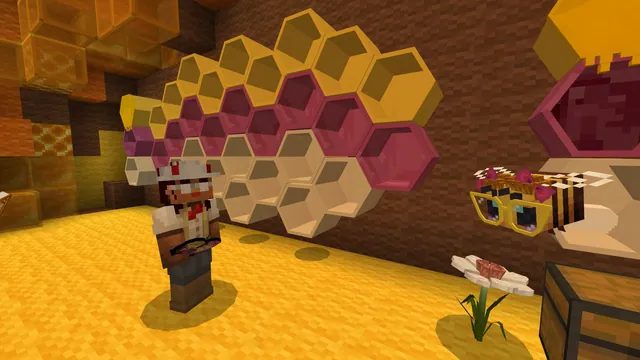
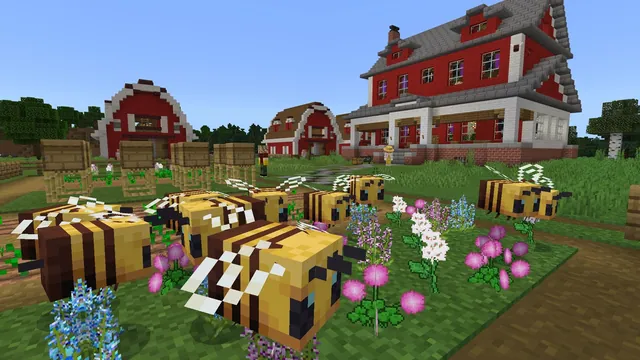
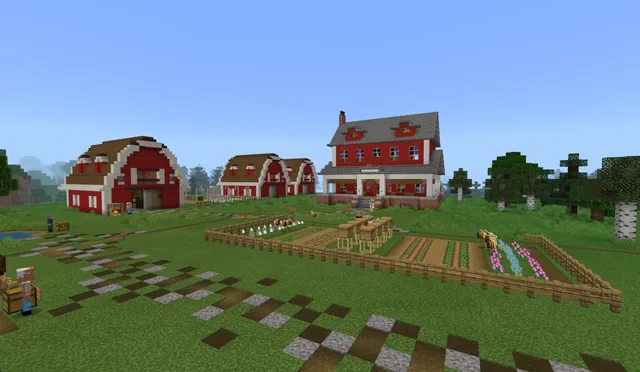
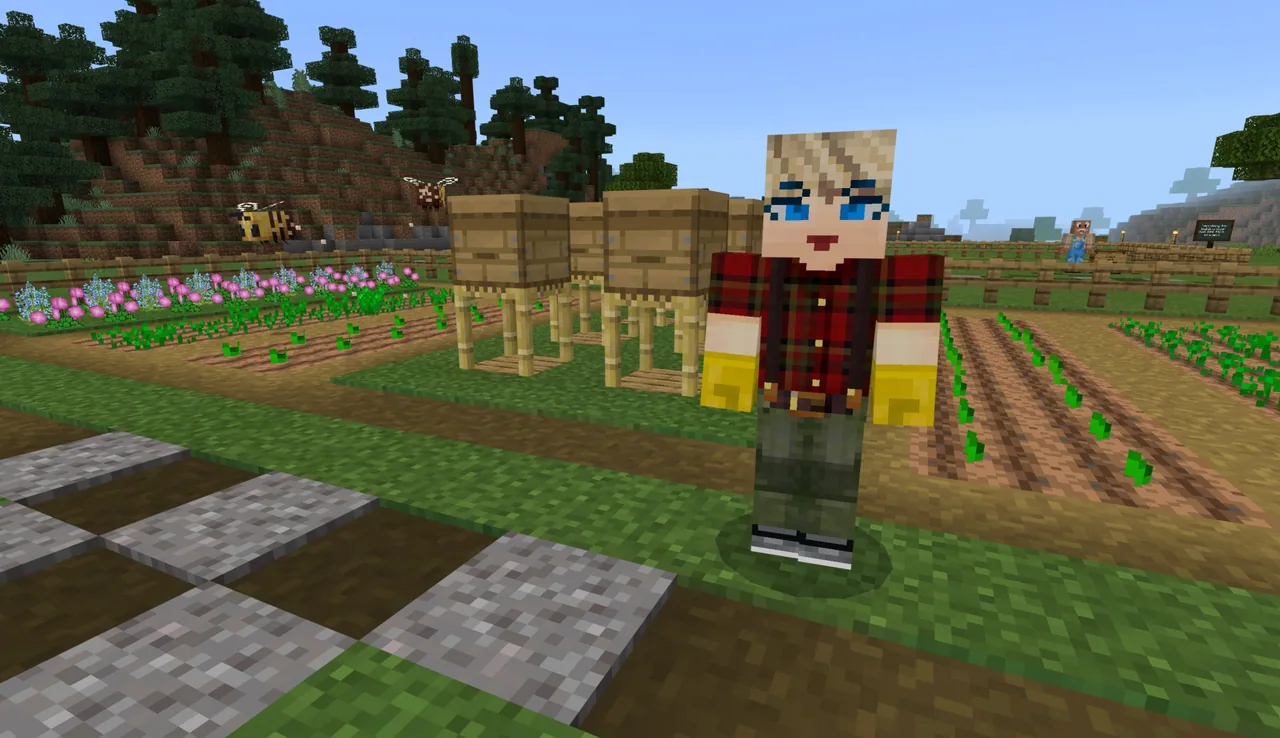
Using the Kids and Bees Minecraft world, learners navigate the Farm area to meet community members with diverse roles, such as farmers, researchers, and beekeepers. By examining how these characters advocate for pollinators in unique ways, students gather ideas to design their own collaborative bee protection project.
Learning objectives
By the end of this lesson students will be able to:
- Define advocacy as communicating clearly and taking action for an important cause.
- Investigate how different community members in Minecraft advocate for bees.
- Evaluate arguments for and against different bee advocacy ideas.
- Collaborate with classmates to propose a group bee advocacy project.
Blocks and items used in this lesson

Key vocabulary
- Advocacy
- Communicating clearly about and taking action for an important topic to positively influence how others think, feel, or act.
- Compassion in action
- A hands-on definition of advocacy that means using care and empathy to make a positive change for others or the environment.
Before class
Lesson sequence
Suggested timing: about 60 minutes in total.
- Introduction and Discussion15 min
Watch the video Imagine a world without bees or read the article Bee-ing grateful to our pollinators as a class. Facilitate a discussion around what bees do, why they are important to humans and nature, and why people must act to protect them.
Introduce the term advocacy. Explain that advocacy is compassion in action: communicating clearly and taking action so that others change how they think, feel, or act about a meaningful topic.
- Minecraft Farm Exploration15 min
Have students launch Minecraft Education, select Play, choose Create New, then Template, and open the Kids and Bees world. Instruct them to travel directly to the Farm section.
Students explore the farm individually to find and speak with six community members: Bee Advocate Harriet, Teacher Laurie, Farmer Hal, Farmer Maya, Bee Researcher Serena, and Beekeeper Zac to learn about their advocacy efforts.
- Advocacy Project Planning30 min
Bring the class back together to discuss the diverse advocacy methods encountered on the farm. Emphasize that advocacy depends on individual talents, interests, and resources, meaning there is no single correct way to advocate.
Guide students to brainstorm and select a collaborative advocacy project they can complete together as a group to help protect bees.
Assessment: success criteria
- The student can define advocacy in their own words as compassion in action.
- The student identifies multiple ways different community members support bees.
- The student actively contributes to discussions about group advocacy project ideas.
- The student demonstrates empathy for bees and their role in the environment.
Differentiation
Provide a simple checklist of the six Farm characters so students can check off each person they interview in Minecraft.
Have students draft an initial action outline detailing the target audience, message, and resources needed for their chosen advocacy project.
Knowledge check
5 questions to check understanding after the lesson. Tap an answer to see if it is right; the score appears at the end.
1How does this lesson define advocacy?
Answer: B. The lesson describes advocacy as communicating clearly and taking action, or compassion in action.
2Which section of the Kids and Bees world do students explore in this lesson?
Answer: A. Bee a Hero is Lesson 3/3 of the Farm World, where students travel to the Farm section.
3Who created the three new worlds used in the Kids and Bees program?
Answer: C. The source states that the three new worlds were created by Lifeboat.
4Which of these characters can students interview on the farm?
Answer: C. Bee Researcher Serena is one of the characters listed on the farm alongside Harriet, Laurie, Hal, Maya, and Zac.
5What is the primary objective of the concluding class discussion?
Answer: B. The wrap-up discussion guides students to work together to identify an advocacy project they can complete as a group.
Resources
- Lesson package (.zip)Everything the author attached to this lesson in one download.
- Kids & Bees: Be a Hero Teacher's Guide
- Lesson worldOpens the world page in Minecraft Education (sign-in with a school account may be needed).
Part of the Build with Bees curriculum
This is lesson 2 of 11 in Build with Bees.
- BUILD WITH BEES: ANATOMY
- BUILD WITH BEES: BEE A HERO
- BUILD WITH BEES: BEE NESTS
- BUILD WITH BEES: BEE TREASURES
- BUILD WITH BEES: BEESWAX
- BUILD WITH BEES: BUMBLE BUZZ
- BUILD WITH BEES: FARMING
- BUILD WITH BEES: HABITAT
- BUILD WITH BEES: HONEY
- BUILD WITH BEES: LIFE CYCLE
- BUILD WITH BEES: POLLINATION
Frequently Asked Questions
What age group is this lesson designed for?
This lesson is designed for students ages 8 to 10, covering subjects including biology, life science, and citizenship.
How do students access the correct world in Minecraft Education?
Students should click Play, select Create New, choose Template from the menu, and select the Kids and Bees world template before traveling to the Farm area.
What partner organization helped develop this curriculum?
This project was developed in collaboration with the American Beekeeping Federation's Kids and Bees program.
Adapted from BUILD WITH BEES: BEE A HERO by Sarah Red-Laird on Minecraft Education, last updated Jul 21, 2025. This classroom version, the timings and the quiz were written by 9Minecraft Education.