- Type
- Lesson plan
- Subject
- Math
- Topics
- Math & Economics
- Grade
- Primary (Grades 3-5)
- Ages
- Ages 8-10
How can number patterns be used to design and construct architectural buildings?
Overview
Arithmetic patterns form the foundation of mathematics and real-world construction. In this lesson, students investigate how predictable number sequences and mathematical operations can be visualized as physical structures. By analyzing mathematical models, learners discover how repeating sequences and numerical rules provide structural and aesthetic frameworks.
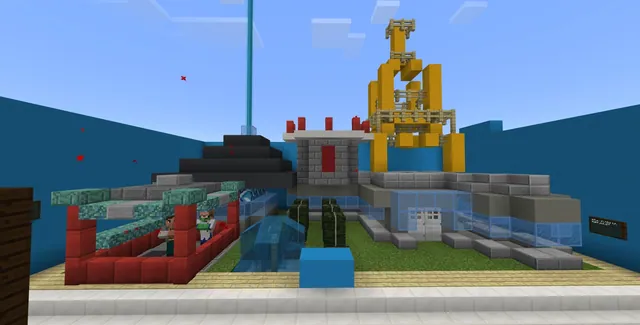
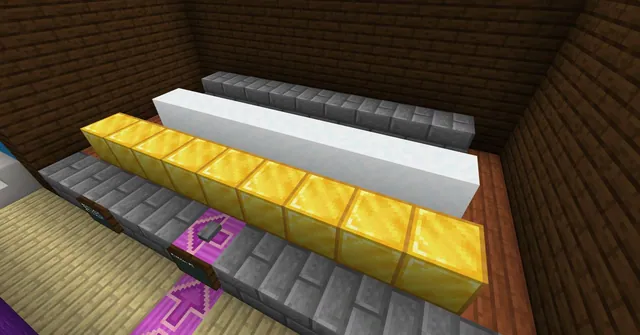
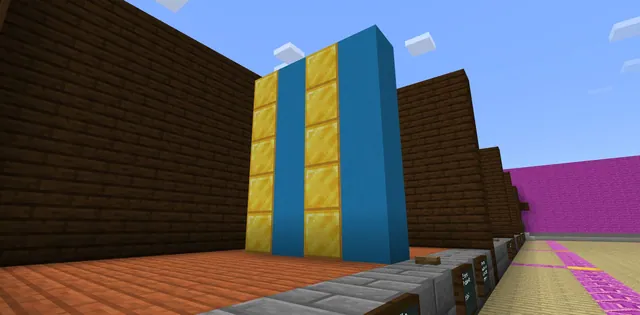
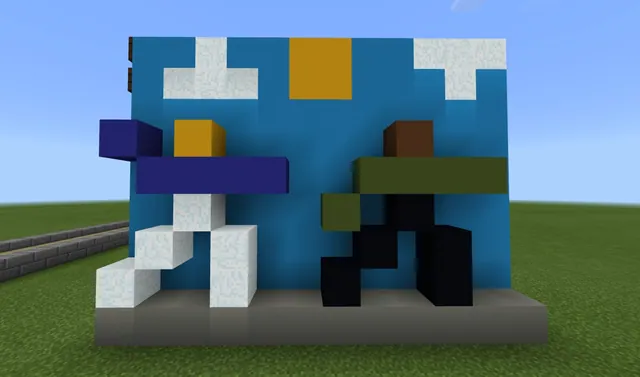
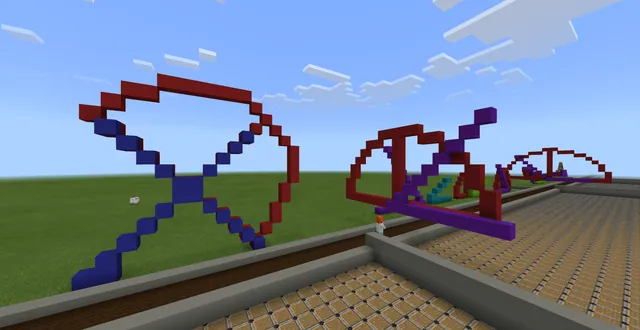
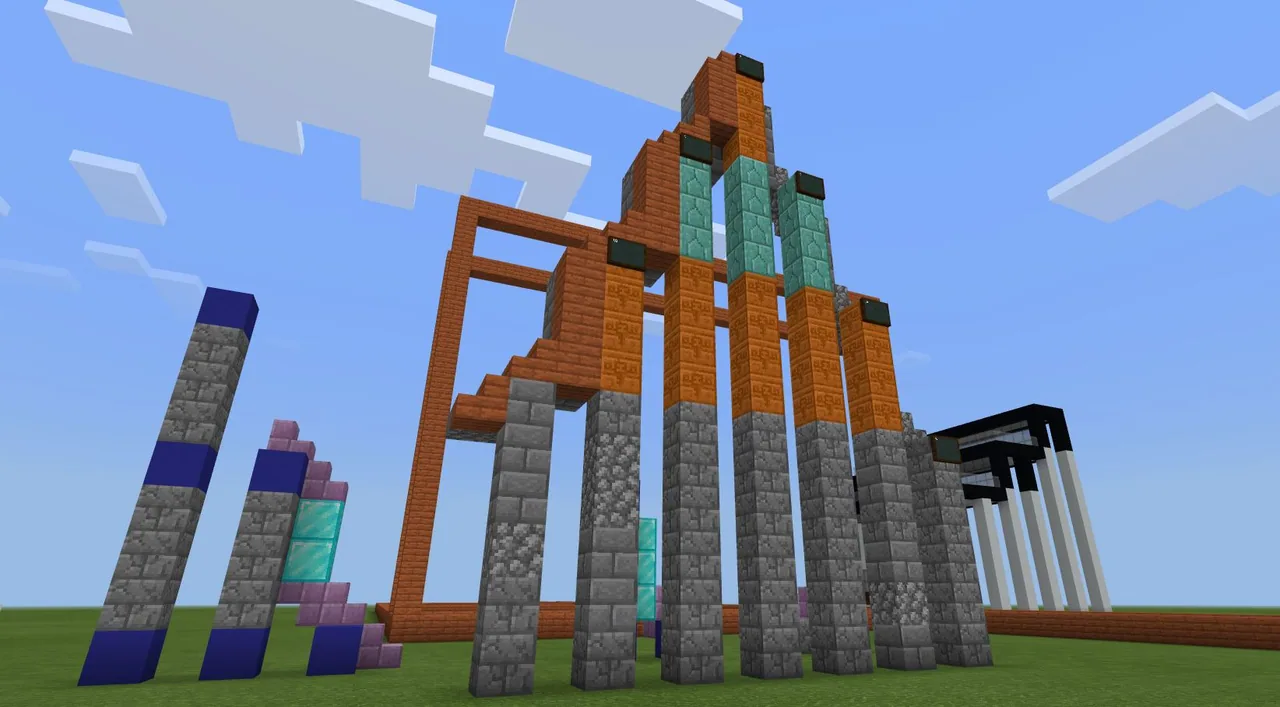
Using a downloadable Minecraft world, students inspect pre-built number pattern towers, solve numerical sequence challenges from slates, and build their own mathematical models. Through an interactive three-stage build process powered by clone mechanics, learners progressively transform basic arithmetic patterns into detailed architectural designs.
Learning objectives
By the end of this lesson students will be able to:
- Identify arithmetic patterns and determine missing numbers in a sequence.
- Build a 3D mathematical model representing a number pattern using blocks.
- Transform a mathematical pattern into an architectural structure across three build stages.
- Analyze peer designs to identify underlying math patterns and suggest design improvements.
Blocks and items used in this lesson


Key vocabulary
- Arithmetic Pattern
- A regular sequence of numbers that changes by following a consistent mathematical rule.
- Math Model
- A physical or visual representation built to demonstrate how numbers or equations work.
- Architecture
- The method and design process of planning and constructing buildings and structures.
- Clone
- An in-game mechanism that duplicates a built structure and places a copy in another area.
Before class
Lesson sequence
- Introduction & Visual Models
Review the lesson slideshow from the supporting files to introduce number pattern towers. Guide students to observe how these mathematical towers resemble real buildings before loading into the game world.
- Finding Number Patterns
Students explore pre-built number pattern models in the Minecraft world and predict subsequent numbers in each sequence. Learners also read assigned number sets from slates and construct matching math models.
- Exploring Architecture
Students inspect architectural examples in the world created from number pattern models to gather structural and design ideas for their own projects.
- Three-Stage Construction
- Area 1: Build a math model of a number pattern and push the clone button.
- Area 2: Work on the cloned model to create a building frame, then press the clone button again.
- Area 3: Detail and complete the final architectural structure.
- Peer Review and Debrief
Learners visit classmates' worlds to identify their math patterns and exchange constructive feedback. Conclude with a teacher-guided discussion on where mathematical patterns appear in construction and everyday architecture.
Assessment: success criteria
- Student accurately identifies missing values in number patterns and explains how they grow.
- Student successfully constructs a number pattern tower and documents pattern problems correctly.
- Student creates a finished architectural building based on their initial math pattern.
- Student identifies connections between patterns, such as recognizing even numbers or multiples of three.
Differentiation
Guide students toward straightforward addition patterns on slates and assist with locating the clone buttons between build areas.
Encourage students to use complex sequences such as multiples of three or explore properties of even addends in their architectural towers.
Knowledge check
5 questions to check understanding after the lesson. Tap an answer to see if it is right; the score appears at the end.
1Where do students find assigned sets of numbers to model during the first activity?
Answer: A. The source specifies that students are given sets of numbers on slates to build their math models.
2What should students do prior to entering the Minecraft world?
Answer: B. The guiding ideas instruct the teacher to show the slideshow from the supporting files to illustrate how number pattern towers look like buildings.
3What happens when a student presses the clone button in the first build area?
Answer: C. Pushing the first clone button copies the math model to the next area where students construct the frame of their building.
4Which question are students asked to answer when visiting a peer's build?
Answer: B. During peer review, students ask what math pattern their classmate used, what they can learn, and how to improve the design.
5What is the final step in the three-stage build process?
Answer: A. After the frame is cloned into the third build area, students design and finish their architectural structure.
Resources
- Lesson package (.zip)Everything the author attached to this lesson in one download.
- Slideshow
- Rubric
- Lesson worldOpens the world page in Minecraft Education (sign-in with a school account may be needed).
Part of the Grade 3 Math curriculum
This is lesson 1 of 15 in Grade 3 Math.
- Algebra Architecture
- Building Word Problems
- Division Into Equal Numbers
- Finding the Unknown
- Fractions Pixel Art
- Fractions Steeplechase
- Liquid Measurements
- Make a Regrouping Video
- Measuring Landforms
- Repeated Addition with Parkour
- Round Numbers Video
- Shapes From Shapes
- Survival City Making Roads
- Survival Olympics Bar Graphs
- Two Step Word Problems
Frequently Asked Questions
What supporting files accompany this lesson?
This lesson includes an introductory slideshow illustrating number pattern towers as well as an assessment rubric.
How do the build areas work in the game world?
The build space is divided into three consecutive areas connected by clone buttons, allowing students to start with a raw number pattern, turn it into a building frame, and finish it as detailed architecture.
What curriculum standard is addressed in this lesson?
The lesson aligns with CCSS.Math.Content.3.OA.D.9, which focuses on identifying arithmetic patterns and explaining them using properties of operations.
Adapted from Algebra Architecture by Minecraft Education on Minecraft Education, last updated Sep 15, 2023. This classroom version, the timings and the quiz were written by 9Minecraft Education.