- Type
- Lesson plan
- Ages
- Ages 8-18
- Duration
- about 60 min (suggested)
How can commercial buildings use natural resources and sustainable technologies to minimize environmental impact and energy waste?
Overview
Large commercial and institutional buildings consume vast quantities of energy and generate significant waste through heating, cooling, lighting, and plumbing. In this lesson, students investigate how thoughtful architecture and natural processes can be combined to drastically reduce a building's environmental footprint.
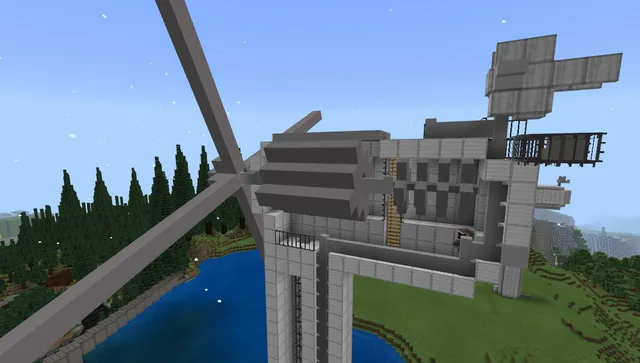
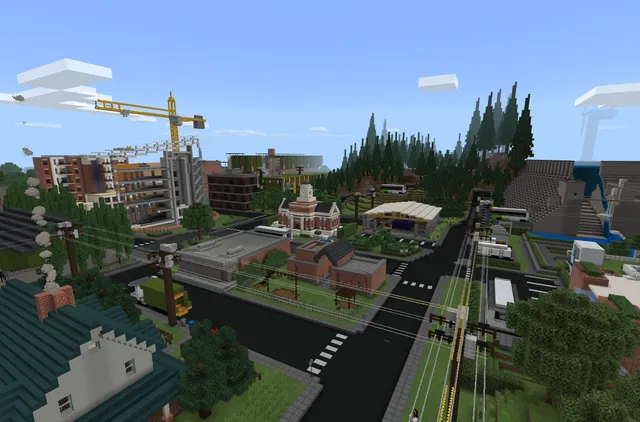
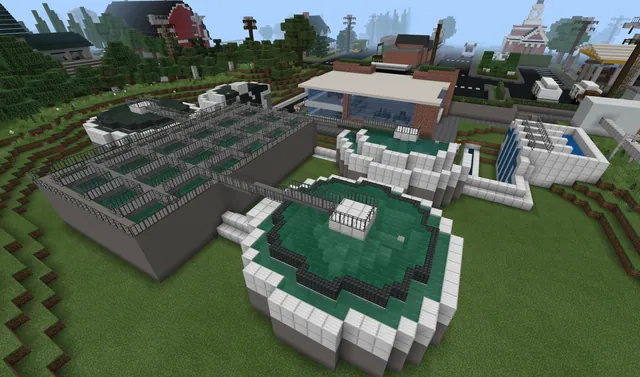
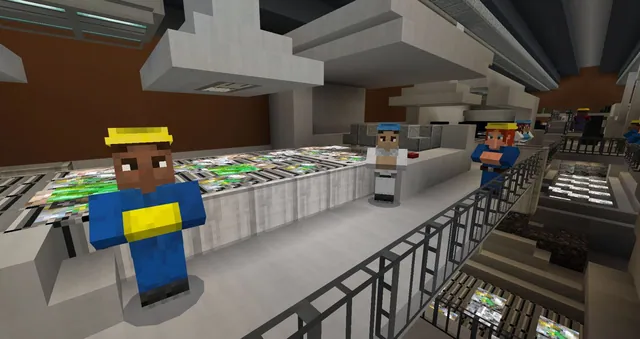
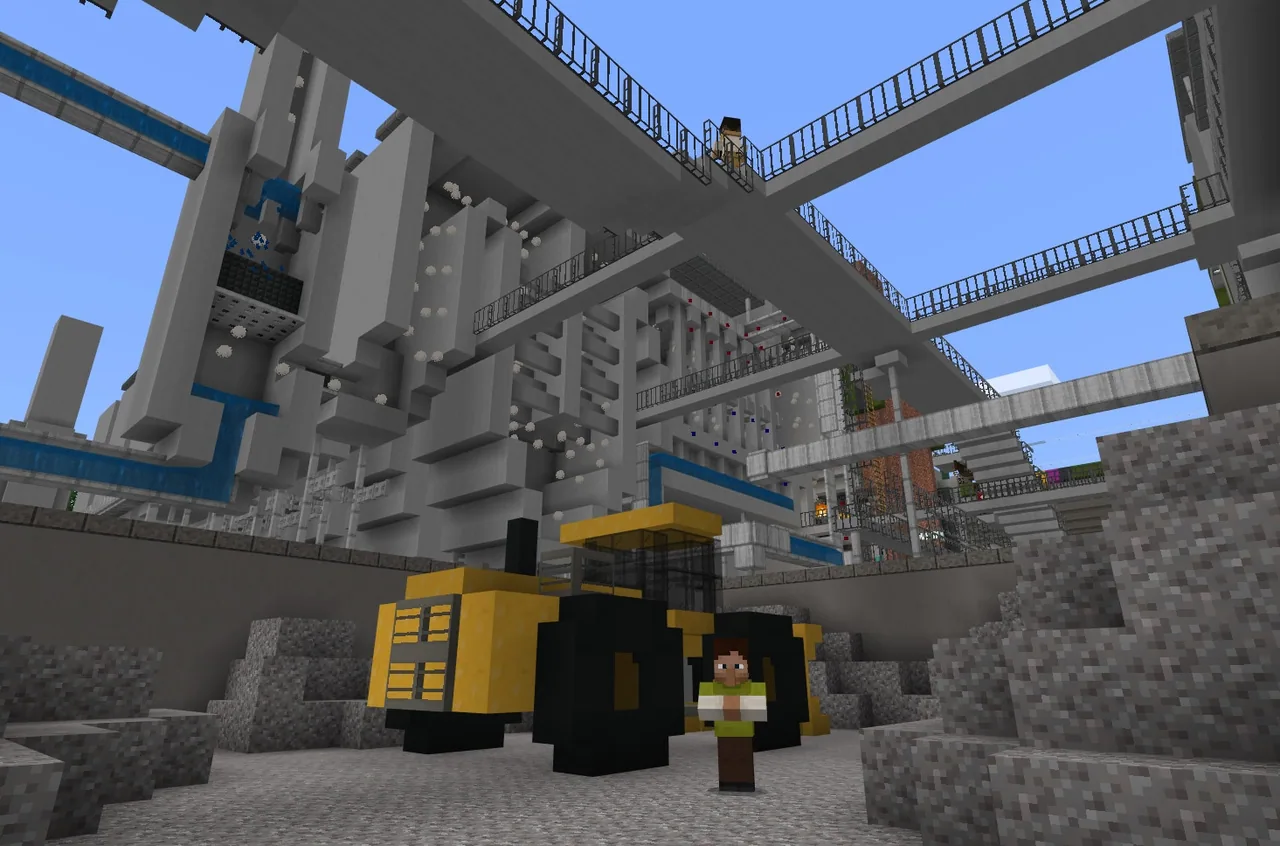
Using a dedicated Minecraft world, learners navigate through a modern green facility. Guided by non-player characters and directional signage, they examine geothermal heating, greywater reclamation in a synthetic wetland, composting toilets, daylighting strategies, and rooftop solar panels before synthesizing their findings into an illustrated comic strip.
Learning objectives
By the end of this lesson students will be able to:
- Identify common ways large commercial buildings waste energy and water.
- Investigate sustainable building practices in Minecraft, including geothermal heat, synthetic wetlands, and solar panels.
- Explain how architectural choices like energy-regenerating elevators and window placement reduce energy consumption.
- Create a comic strip contrasting a conventional workplace with an environmentally sustainable building.
Key vocabulary
- geothermal energy
- Heat energy derived from beneath the Earth's surface that can be used to regulate building temperatures.
- greywater
- Gently used wastewater from sources like sinks and drinking fountains that can be recycled for non-potable uses.
- synthetic wetland
- A human-made, engineered wetland system designed to naturally filter and treat wastewater.
- compost
- Decomposed organic material that can be recycled to enrich soil rather than discarded as waste.
- regenerator
- A mechanism that captures and recycles energy during mechanical motion, such as in an elevator.
- conservation
- The planned management and protection of natural resources to prevent exploitation, destruction, or neglect.
Before class
Lesson sequence
Suggested timing: about 60 minutes in total.
- Warm-up: Building Waste Audit15 min
Lead a whole-class brainstorm on how large facilities like schools or office towers waste resources. Record ideas on the left side of a T-chart, prompting students to think about heating and cooling, open doors and windows, elevator overuse, sink and toilet water runoff, inefficient lighting, unmanaged electronics, and commuting.
Organize students into small groups to brainstorm actionable remedies for each waste item. Reassemble as a class to fill in the right side of the T-chart with their proposed solutions before introducing the Minecraft mission.
- Explore: Sustainable Building Tour25 min
Instruct students to enter the Minecraft world, begin at the school, and select Lesson 3 from the teacher NPC. Students follow the street to the green building and interview two NPCs outside to discover how geothermal energy provides the building's heat.
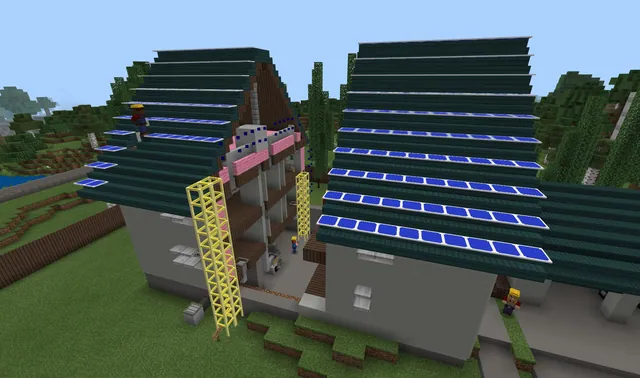
Students enter the structure, bypass the elevator, and take the stairs to track the greywater system toward the synthetic wetland. As they proceed upward, they record notes on composting toilets, the regenerating elevator, daylighting through expansive windows, the rooftop heat exchange system, and rooftop solar panels reached via scaffolding. Students must click the rooftop NPC twice to catch the bus back to town.
- Reflect & Create: Comparative Comic20 min
Reconvene the class to debrief their observations, listing key building features and sustainable practices on the board. If desired, screen the video Smart Buildings Saving the World to prompt deeper thinking.
Individually or in pairs, students draft a comic strip showing a conversation between two workers: one employed in a standard, resource-heavy office and another working inside a sustainable, green facility.
Assessment: success criteria
- Students actively contribute realistic waste examples and conservation strategies to the class T-chart.
- Students accurately record the functions of geothermal heating, synthetic wetlands, and solar panels during the in-game exploration.
- Students produce a complete comic strip that clearly contrasts sustainable building practices with conventional, wasteful practices.
Differentiation
Provide a guided note-taking checklist listing the specific stations (geothermal NPCs, synthetic wetland, composting toilets, elevator, rooftop) to ensure students do not miss key stops.
Ask advanced learners to propose which green features from the Minecraft building could be realistically retrofitted into their own school.
Knowledge check
5 questions to check understanding after the lesson. Tap an answer to see if it is right; the score appears at the end.
1Where in the Minecraft world do students begin their assignment?
Answer: A. The prep notes and activities state that students start at the school and select Lesson 3 from the teacher.
2Which heating technology is explained by the two NPCs outside the green building?
Answer: C. The two NPCs stationed outside introduce how the building uses geothermal energy to meet its heating needs.
3Following the signs for greywater inside the building leads students to which location?
Answer: B. Signs guide students along the greywater path until they reach the synthetic wetland where water is filtered and drained.
4What specialized elevator feature is showcased within the sustainable facility?
Answer: D. The lesson explicitly highlights a regenerating elevator as one of the energy-saving systems inside the building.
5What action must students take on the rooftop to catch the bus back to town?
Answer: B. The source notes that clicking the rooftop NPC a second time transports the player back to the bus.
Resources
Part of the Sustainability curriculum
This is lesson 3 of 7 in Sustainability.
- Alternative Energy
- Dependable Forests
- It’s Good to Be Green
- Outflow Order
- Radical Recycling
- Sustainable Food Production
- Sustainable Home
Frequently Asked Questions
How do students leave the rooftop once their tour is complete?
Students must interact with the rooftop non-player character twice; the second click triggers their return to the bus back to town.
Can the final comic strip activity be completed collaboratively?
Yes, students have the option to complete the comic strip assignment independently or collaborate with a partner.
What optional resource can be shown before students start their comic strips?
Teachers can show the video titled Smart Buildings Saving the World to spark additional ideas for their comic strip dialogues.
Adapted from It’s Good to Be Green by Minecraft Education on Minecraft Education, last updated Sep 15, 2023. This classroom version, the timings and the quiz were written by 9Minecraft Education.