- Type
- Lesson plan
- Ages
- Ages 11-18
- Duration
- about 47 min (suggested)
How do ecological relationships maintain balance across biomes, and what impact do human actions have on biodiversity?
Overview
Biodiversity forms the foundation of living systems on Earth, connecting organisms through genetic variation, species interactions, and biome-level processes. This lesson, developed alongside the World Wildlife Fund and Naturebytes, helps students investigate how ecosystems function and how disruptions contribute to the broader extinction crisis.
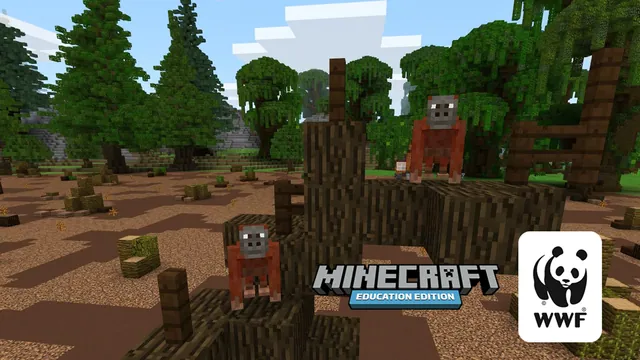
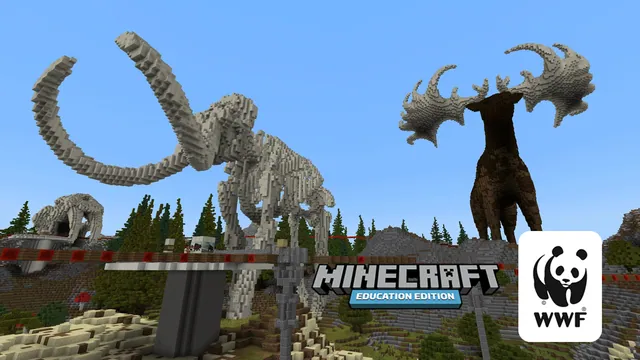
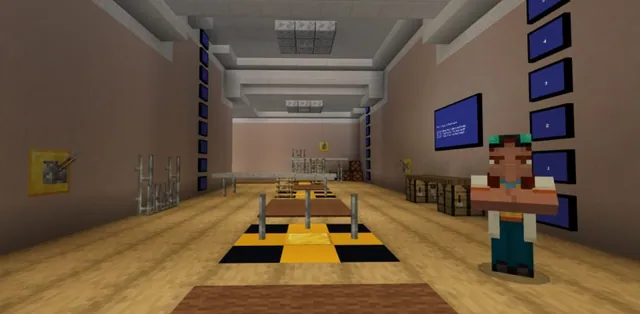
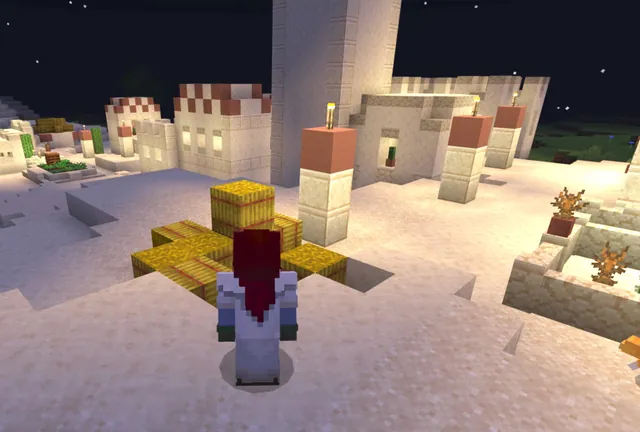
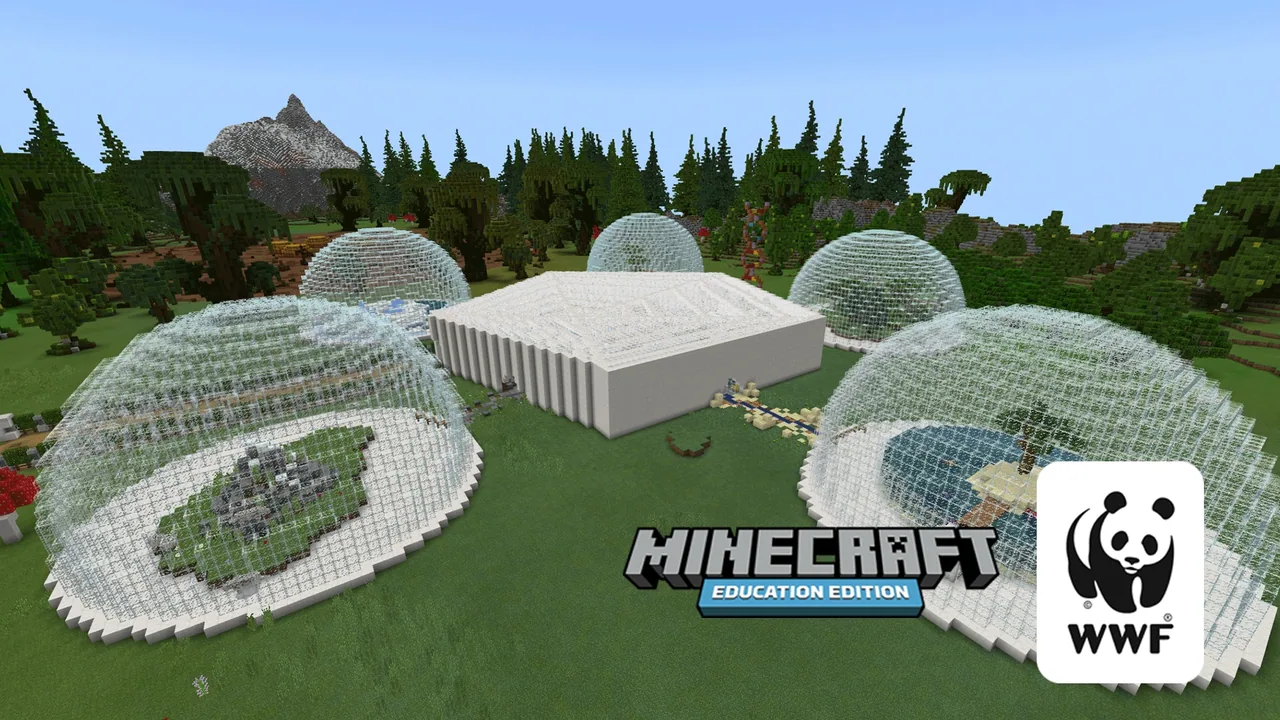
Using the custom Extinction! Biodiversity Lab world, students navigate dedicated exhibits and biome chambers. By consulting in-game scientists, watching embedded videos, and reading informational displays, learners analyze food webs, ecological niches, and species adaptations before applying these concepts to their own local environment.
Learning objectives
By the end of this lesson students will be able to:
- Identify genes, species, and ecosystems as the core components of biodiversity.
- Explain how food webs and trophic pyramids illustrate energy flow within an ecosystem.
- Describe the ecological niche and adaptations of species in a selected biome.
- Analyze personal and global human impacts on ecosystems and threatened species.
Blocks and items used in this lesson


Key vocabulary
- Biodiversity
- The variety of living organisms across genetic, species, and ecosystem levels.
- Ecological Niche
- The unique role, habitat, and interactions an organism has within its ecosystem.
- Trophic Diagram
- A model showing the feeding levels and energy flow through an ecosystem.
- Biome
- A large community of plants and animals occupying a distinct regional climate.
- Keystone Species
- An organism that plays an essential role in maintaining the structure of its ecosystem.
Before class
Lesson sequence
Suggested timing: about 47 minutes in total.
- Introduction and Context2 min
Introduce the lesson by framing biodiversity across its microscopic and planetary layers: genes, species, and ecosystems. Emphasize that all species, including humans, rely on these environmental relationships for survival.
Provide the Student Worksheet and instruct students that they will choose one featured biome to investigate in depth as they tour the lab.
- Minecraft Biodiversity Lab Exploration30 min
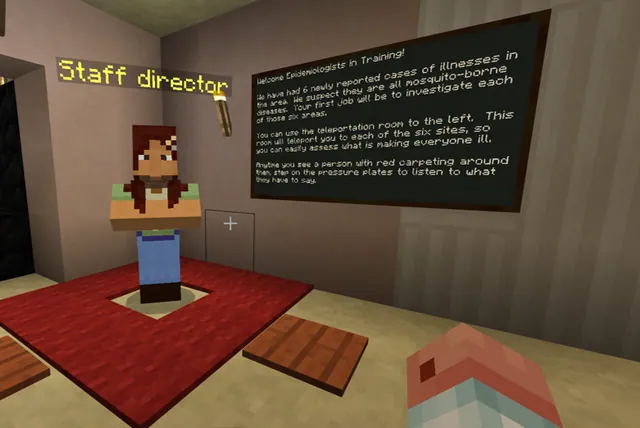
Students explore the facility individually or in small groups. They interact with informational desks, read exhibit boards, and speak to non-player character scientists.
- Visit the Info Desk to review extinction threats and species variety.
- Examine the Genes exhibit to study genetic diversity.
- Tour the Arctic station for food chains, food webs, and trophic diagrams.
- Tour Grassland, Forest, Ocean, and Mountain stations to learn about biomes, adaptations, species interactions, and ecological niches.
- Consult the Biome Map to examine global connectivity and finish worksheet records for their chosen biome.
- Biome Mapping and Class Presentations15 min
Gather the class around the global biome map to identify where all five featured biomes occur globally. Ask students or teams to present their chosen biome case study using their completed worksheets.
Conclude by prompting students to locate their local environment on the map, select a local keystone species, and discuss their personal role in protecting biodiversity.
Assessment: success criteria
- Student accurately completes the case study worksheet for one chosen biome, including habitat, adaptations, and trophic structure.
- Student explains how energy moves through their chosen biome using a food web or trophic diagram.
- Student identifies a local keystone species and relates its role to global biodiversity balance.
- Student discusses human impacts on the biodiversity crisis during the final presentation or discussion.
Differentiation
Pair students together and have them focus on a pre-selected biome station with teacher guidance on reading the displays.
Challenge students to analyze multiple biomes and construct an argument detailing how losing a keystone species impacts connected food webs.
Knowledge check
5 questions to check understanding after the lesson. Tap an answer to see if it is right; the score appears at the end.
1What are the three core components of biodiversity introduced in the lab?
Answer: B. The lesson specifically defines biodiversity across three scales: genes, species, and ecosystems.
2Which biome station in the lab teaches food chains, food webs, and trophic diagrams?
Answer: C. According to the lesson activities, students visit the Arctic station to learn about food chains, webs, and trophic diagrams.
3What ecological concept is the primary focus of the Mountain Biome exhibit?
Answer: A. The lesson outline directs students to the Mountain Biome station specifically to study ecological niches.
4Which exhibit station in the Biodiversity Lab explores how animals adapt to their environment?
Answer: D. Students explore the Forest Biome area to learn specifically about species adaptations.
5What are students asked to evaluate during the final class discussion?
Answer: B. The final discussion prompts students to locate their local environment on the map and discuss a local keystone species.
Resources
- Lesson package (.zip)Everything the author attached to this lesson in one download.
- Student WorksheetDesigned to help study their chosen biome. At the end of the lesson, class can present or discuss their case study as individuals or in a group.
- Teacher WorksheetThis worksheet will assist you with example answers and the in-game location of relevant information.
Part of the Biodiversity curriculum
This is lesson 1 of 3 in Biodiversity.
Frequently Asked Questions
Can students explore the Minecraft lab in small groups?
Yes, the 30-minute exploration phase can be completed independently or in small collaborative teams as students collect case study evidence.
Do students need to research every biome in the lab?
No, while students tour the various stations to understand core concepts, they select only one featured biome to complete as their detailed worksheet case study.
Adapted from Extinction! Biodiversity Lab by Minecraft Education on Minecraft Education, last updated Aug 9, 2019. This classroom version, the timings and the quiz were written by 9Minecraft Education.