- Type
- Lesson plan
- Ages
- Ages 11-18
How can communities capture mechanical energy from renewable resources and waste to generate clean electricity?
Overview
Modern communities rely heavily on energy to function, yet traditional fossil fuel supplies are limited and can harm natural habitats. In this lesson, students investigate sustainable alternatives including hydroelectricity, wind power, and waste-to-energy systems, discovering how kinetic and mechanical motion transform into electrical power that serves neighborhoods.
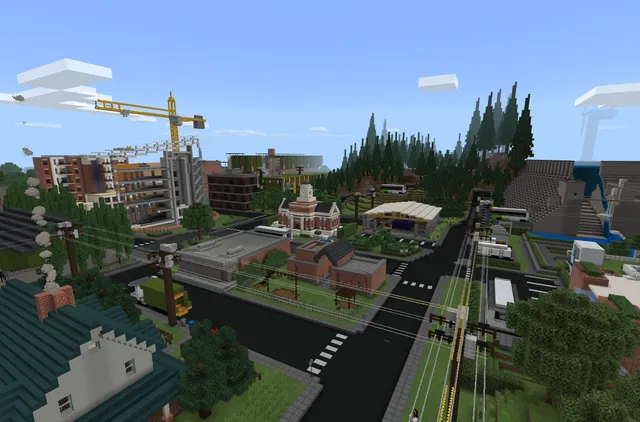
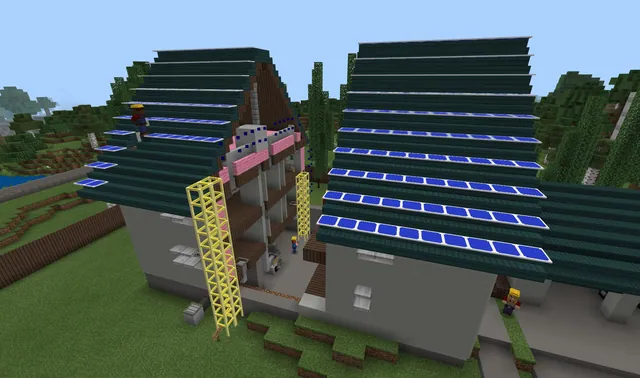
Using a dedicated Minecraft environment, learners travel from a virtual school to a regional power plant, interact with non-player characters, restart an inactive wind turbine, ride minecarts along electrical lines, and inspect a bioreactor and waste-to-energy plant before evaluating energy policies from the perspective of state leaders.
Learning objectives
By the end of this lesson students will be able to:
- Explain the difference between non-renewable fossil fuels and renewable energy sources.
- Describe how mechanical energy transforms into electrical energy in wind and water power systems.
- Investigate how landfill materials and non-recyclable garbage can produce usable energy.
- Argue the pros and cons of adopting a chosen alternative energy source from the perspective of a civic leader.
Blocks and items used in this lesson


Key vocabulary
- Renewable Resource
- A natural source of energy that replenishes over time and does not permanently run out.
- Fossil Fuels
- Non-renewable energy resources formed underground over long periods that will eventually be exhausted.
- Potential Energy
- Energy that is stored in an object because of its position or state.
- Kinetic Energy
- The energy an object possesses due to its motion.
- Mechanical Energy
- The total energy associated with the motion and position of physical objects or machines.
- Electrical Energy
- Energy carried by moving electrical charges that powers lights, appliances, and community infrastructure.
Before class
Lesson sequence
- Classroom Inquiry and Concept Setup
Begin with a whole-group K-W-L chart on alternative energy, landfills, and waste conversion. Clarify the distinction between finite fossil fuels and replenishable resources like wind and water, then screen an introductory video on waste-to-energy facilities.
- Interactive Energy Simulations
Direct students to the Energy Skate Park simulation to observe potential and kinetic energy transitions using pie charts. Have them open the circuit simulation to observe electron flow through a closed switch, connecting mechanical motion to electrical output.
- Minecraft Energy World Exploration
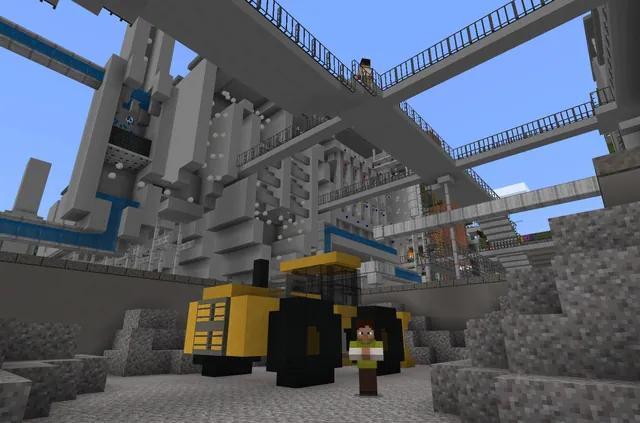
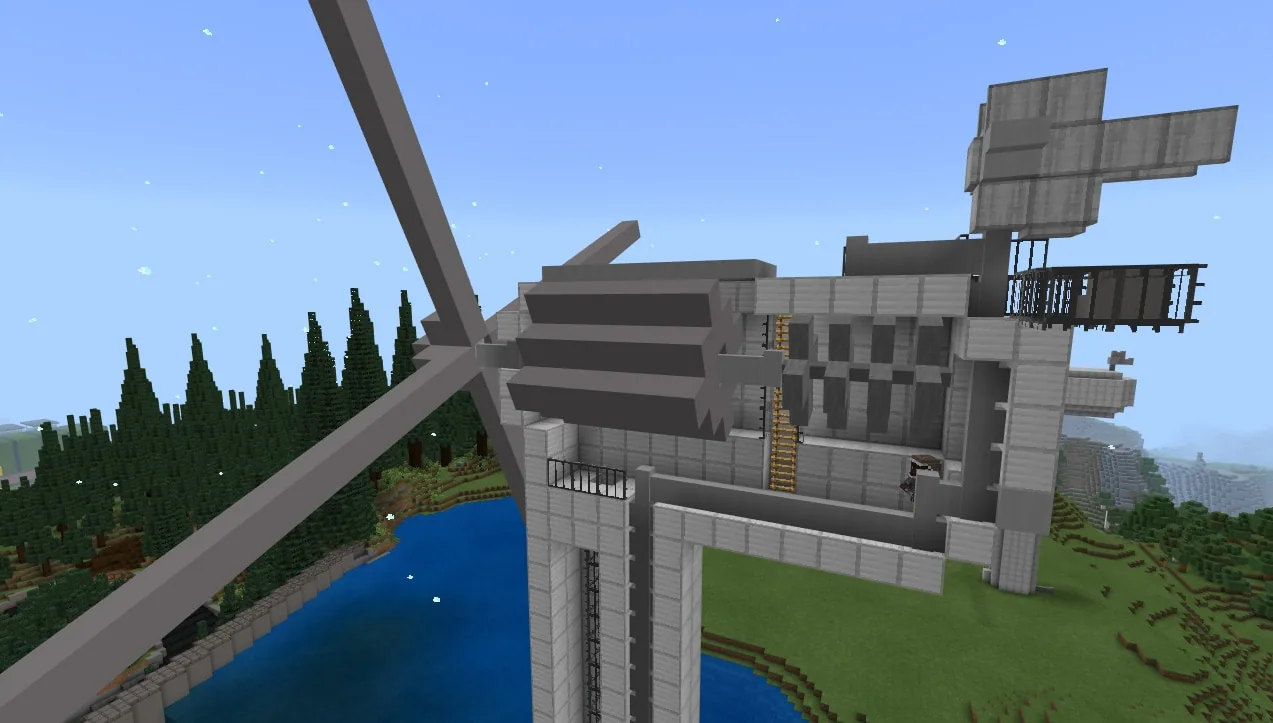
Students launch the world, find the teacher character in the school, and select Lesson 6. They board the city bus to the power plant, read information from hydroelectricity guides, climb to the wind platform to restart a wind turbine, and take notes on plant operations.
- Grid Transit and Waste-to-Energy Inspection
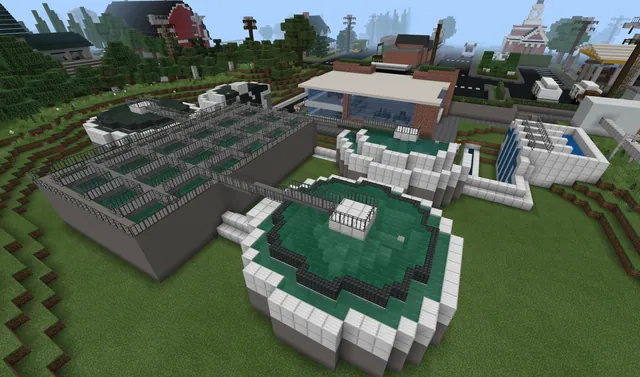
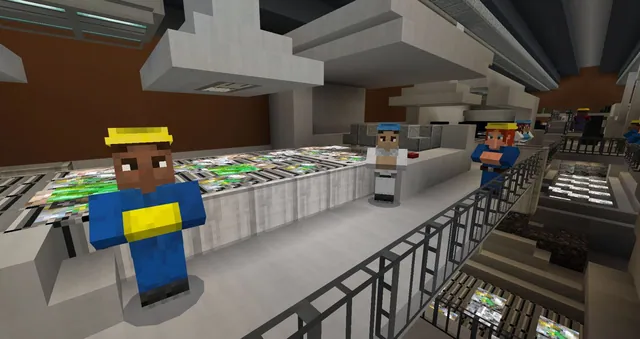
Learners place a minecart on the overhead power lines to trace energy distribution into the town. Along the route, they stop at the Landfill Bioreactor character and tour the Waste-to-Energy Plant to discover how solid waste generates usable community power before riding the bus back.
- Governor Roleplay and Reflection
Students complete the 'L' section of their classroom K-W-L charts. In a video response on Flipgrid, each student acts as a state governor presenting a case for their chosen alternative power source, outlining both its benefits and limitations.
Assessment: success criteria
- Accurately distinguishes between renewable energy options and non-renewable fossil fuels in class notes.
- Identifies where potential, kinetic, and electrical energy occur during the simulations and plant tour.
- Explains in notes or class discussion how non-recyclable materials in landfills can yield electricity.
- Submits a clear Flipgrid presentation stating the benefits and drawbacks of an alternative power source.
Differentiation
Provide a guided note-taking template with key terms pre-listed so students can focus on NPC dialogues and visual changes in the simulations.
Challenge students to evaluate the environmental trade-offs of building large hydroelectric dams or bioreactors compared to wind installations in their final video.
Knowledge check
5 questions to check understanding after the lesson. Tap an answer to see if it is right; the score appears at the end.
1Why are wind power and hydropower categorized as renewable resources?
Answer: B. Renewable resources come from natural sources that replenish over time rather than being exhausted like fossil fuels.
2In the Energy Skate Park simulation, when does the skater possess the most potential energy?
Answer: A. Potential energy is stored energy determined by an object's position, which is highest at the top of the ramp.
3What practical task do students carry out for a plant worker on the elevated platform?
Answer: B. Students climb a ladder inside the power plant to explore wind energy and restart a turbine for a worker.
4How do students travel along the power line route to observe electricity distribution in Minecraft?
Answer: C. Students spawn a minecart on the power line tracks to see how electricity moves from the plant toward town.
5What role do students assume in the final Flipgrid reflection activity?
Answer: D. The final assignment asks students to roleplay as state governors presenting the merits and drawbacks of an energy source.
Resources
- Complete Lesson Plan
- Lesson worldOpens the world page in Minecraft Education (sign-in with a school account may be needed).
Part of the Sustainability curriculum
This is lesson 1 of 7 in Sustainability.
- Alternative Energy
- Dependable Forests
- It’s Good to Be Green
- Outflow Order
- Radical Recycling
- Sustainable Food Production
- Sustainable Home
Frequently Asked Questions
What digital tools are required alongside Minecraft for this lesson?
Students need web browser access to open two interactive science simulations (Energy Skate Park and Signal Circuit), a shared space for the K-W-L chart, and Flipgrid to record their final persuasive presentation.
Where in the Minecraft world do students begin their exploration?
Students load into the virtual school building, locate the teacher character to choose Lesson 6, and take the city bus directly to the regional power facility.
Adapted from Alternative Energy by Minecraft Education on Minecraft Education, last updated Jul 28, 2025. This classroom version, the timings and the quiz were written by 9Minecraft Education.