- Type
- Lesson plan
- Ages
- Ages 8-13
How can wastewater be treated and repurposed to support community agriculture and reduce environmental harm?
Overview
Wastewater, or outflow, travels from homes and communities through extensive treatment systems so it can safely reenter the environment. In this lesson, students investigate the journey of used water, discovering how filtration, aeration, clarification, and disinfection transform contaminated liquid into a valuable resource for agricultural irrigation, while solid byproducts are repurposed into nutrient-rich compost.
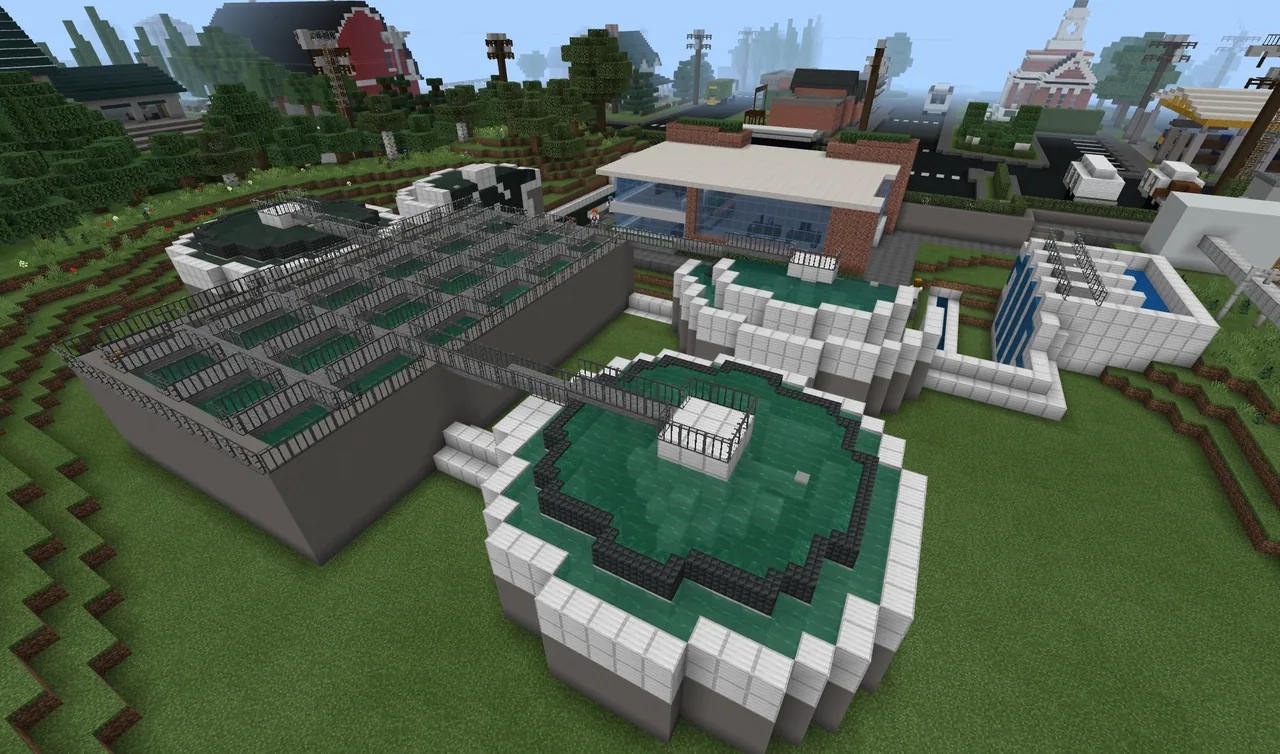
Using Minecraft Education, learners interact with non-player characters outside a municipal water treatment facility. By following a guided route, observing how water color shifts across processing stages, and optionally visiting a dedicated composting zone, students see industrial sanitation concepts visualized before building a hands-on filtration model in the classroom.
Learning objectives
By the end of this lesson students will be able to:
- Identify common sources of outflow and describe where wastewater travels after leaving drains.
- Explain how treatment facilities clean outflow so that farmers can safely use it for crop irrigation.
- Describe how solid waste extracted during treatment is transformed into nutrient-rich compost.
- Construct a physical classroom filtration prototype using common materials such as coffee filters, cotton, and gravel.
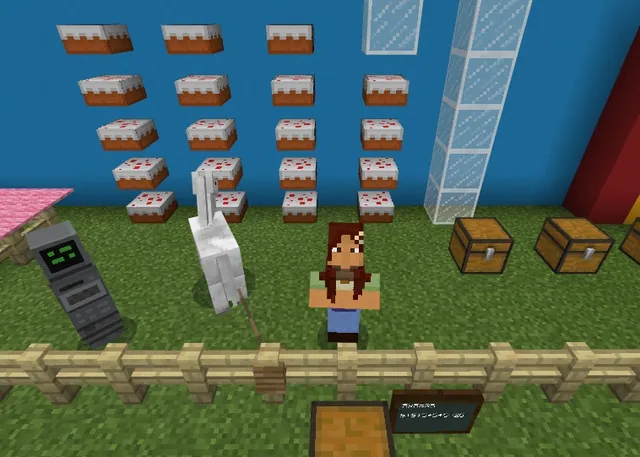
Blocks and items used in this lesson

Key vocabulary
- Reclamation
- The process of treating wastewater so that it can be safely used again.
- Clarification
- A treatment stage where solids separate from liquid to make water clearer.
- Biosolid
- Solid organic matter recovered from wastewater treatment that can be recycled into compost.
- Weir
- A low barrier or dam designed to regulate and direct the flow of water in a treatment tank.
- Aeration
- The process of mixing air into wastewater to encourage helpful bacteria to break down waste.
- Microbes
- Microscopic organisms that help consume pollutants and clean wastewater.
Before class
Lesson sequence
- Introductory Discussion and Water Demo
Ask students to brainstorm everyday examples of outflow (wastewater) from homes and record their ideas on the board. Direct them to discuss with a neighbor where they think this water goes once it flows down the drain.
Display the three clear sample cups containing clean, moderately dirty, and heavily soiled water. Ask students which sample they would select to drink or water a plant with and invite them to explain what clean water means and how dirty water might be restored.
- Minecraft Water Treatment Tour
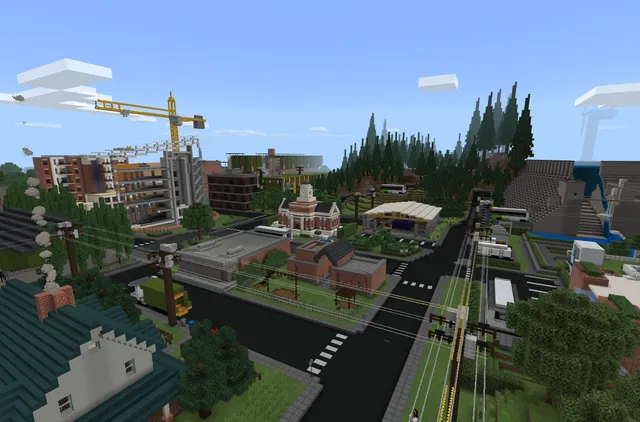
Have students spawn in the schoolhouse, right-click the teacher character, and choose Lesson 2. Direct them to follow the street path directly to the water reclamation plant.
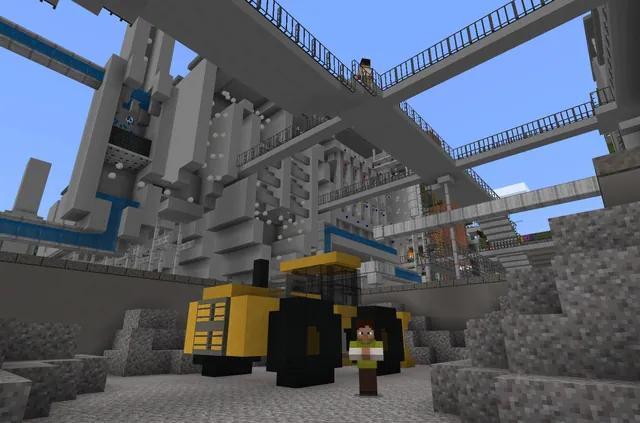
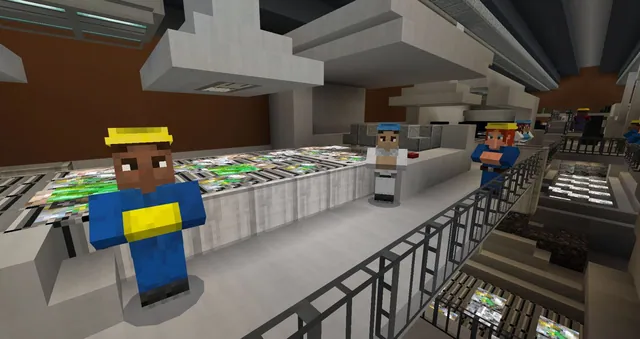
Students speak with each guide outside the facility, taking notes on treatment stages including disinfection. Instruct learners to pay close attention to the visible color changes in the water behind each character.
- Compost Extension Exploration
Guide students to the NPC explaining how water becomes safe for farm irrigation. Next, have them locate the station detailing how biosolids are converted into rich compost.
Students who wish to examine the composting setup further may select the Compost transport button to explore the area and read more about solid waste recovery.
- Hands-On Filtration Lab and Reflection
Organize students into small groups to assemble a physical water filter using the inverted tops of cut plastic bottles packed with cotton balls, coffee filters, and gravel.
Test dirty water through the student filters and conclude with a whole-group discussion comparing their physical filters to the multi-step municipal reclamation plant seen in-game.
Assessment: success criteria
- Student accurately names sources of domestic wastewater and traces its path toward municipal treatment facilities.
- Student explains why agricultural irrigation requires sanitized water rather than untreated outflow.
- Student describes how biosolids extracted from wastewater treatment are repurposed into compost.
- Student constructs and explains the basic mechanism of a classroom-built filtration column.
Differentiation
Provide a printed diagram of the treatment stages so students can match each in-game NPC station to a simplified visual chart.
Have students who finish the main route teleport to the compost sector to write a detailed comparison between liquid irrigation reuse and solid organic recycling.
Knowledge check
5 questions to check understanding after the lesson. Tap an answer to see if it is right; the score appears at the end.
1What happens to the appearance of the water as it moves through the treatment plant in Minecraft?
Answer: A. The lesson directs students to observe how the color of the water changes behind the NPCs as it progresses through purification.
2Where does cleaned outflow go after the disinfection stage?
Answer: B. An NPC in the lesson explains that cleaned, disinfected water can be reused by farmers to irrigate crops.
3How does the treatment plant repurpose biosolids extracted from wastewater?
Answer: C. The curriculum specifies that biosolids from outflow treatment are processed into nutrient-rich compost.
4Which action must students take inside the school building to begin the field trip?
Answer: B. Students begin by right-clicking the teacher NPC in the school and picking Lesson 2 to receive the trail to the plant.
5Which material is suggested for the hands-on classroom filter activity?
Answer: D. The lesson plan calls for liter soda bottles, coffee filters, cotton balls, and rocks to build filtration models.
Resources
- Complete Lesson Plan
- Lesson worldOpens the world page in Minecraft Education (sign-in with a school account may be needed).
Part of the Sustainability curriculum
This is lesson 4 of 7 in Sustainability.
- Alternative Energy
- Dependable Forests
- It’s Good to Be Green
- Outflow Order
- Radical Recycling
- Sustainable Food Production
- Sustainable Home
Frequently Asked Questions
Is the compost zone required for all students to complete the assignment?
No. While students can click the teleport button to explore the composting area and learn how biosolids are reused, the lesson notes that visiting this secondary area is an optional extension.
What should I prepare before running the hands-on filtration activity?
You should gather two-liter bottles, cotton balls, coffee filters, and rocks. If working with younger students, pre-cut the top portion off each soda bottle ahead of time for safety.
Adapted from Outflow Order by Minecraft Education on Minecraft Education, last updated Jul 28, 2025. This classroom version, the timings and the quiz were written by 9Minecraft Education.