- Type
- Lesson plan
- Ages
- Ages 8-13
How can wood resources be harvested and used without depleting forests or harming wildlife?
Overview
Trees provide vital raw materials for daily life, but unmanaged harvesting can devastate ecosystems. In this lesson, students investigate how sustainable forestry maintains a steady supply of timber while protecting wildlife and natural habitats. They examine the balance between harvesting resources and preserving biodiversity across long-term management cycles.
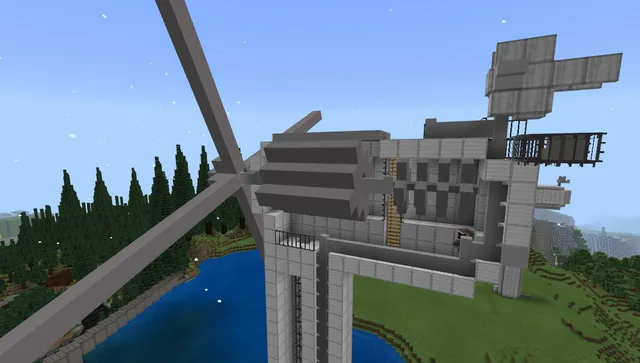
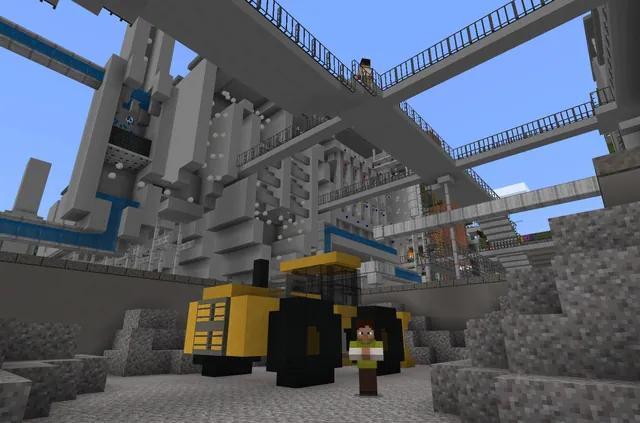
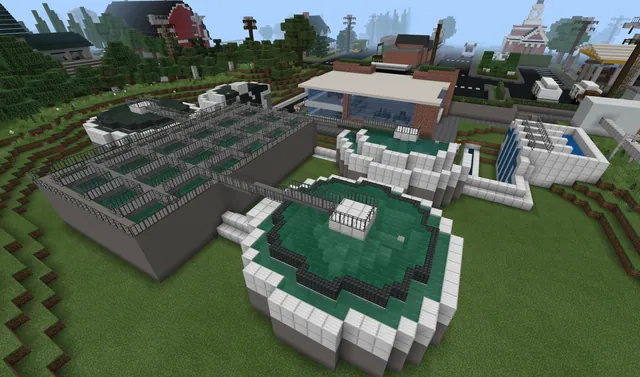
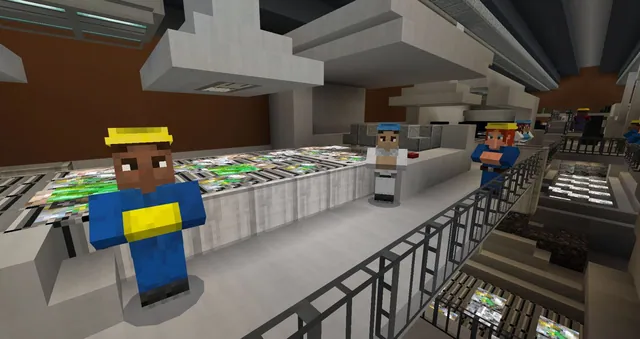
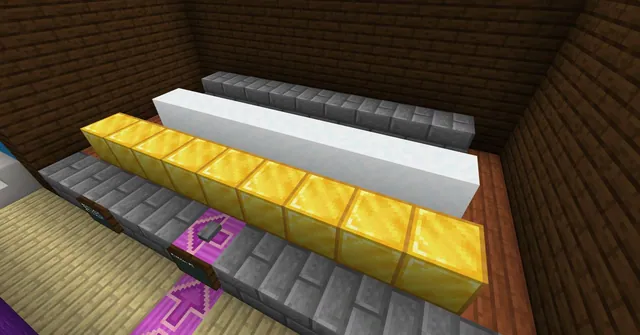
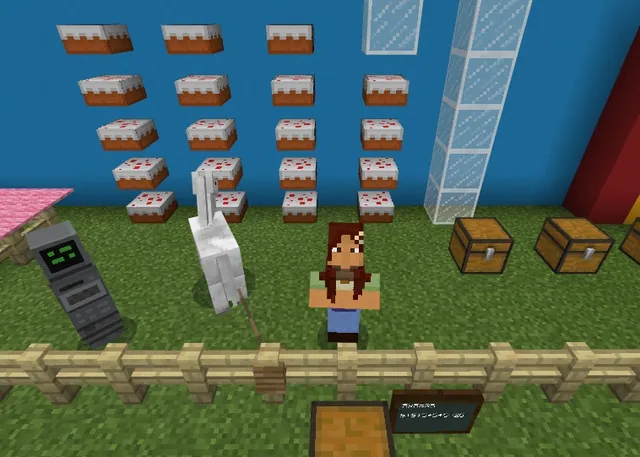
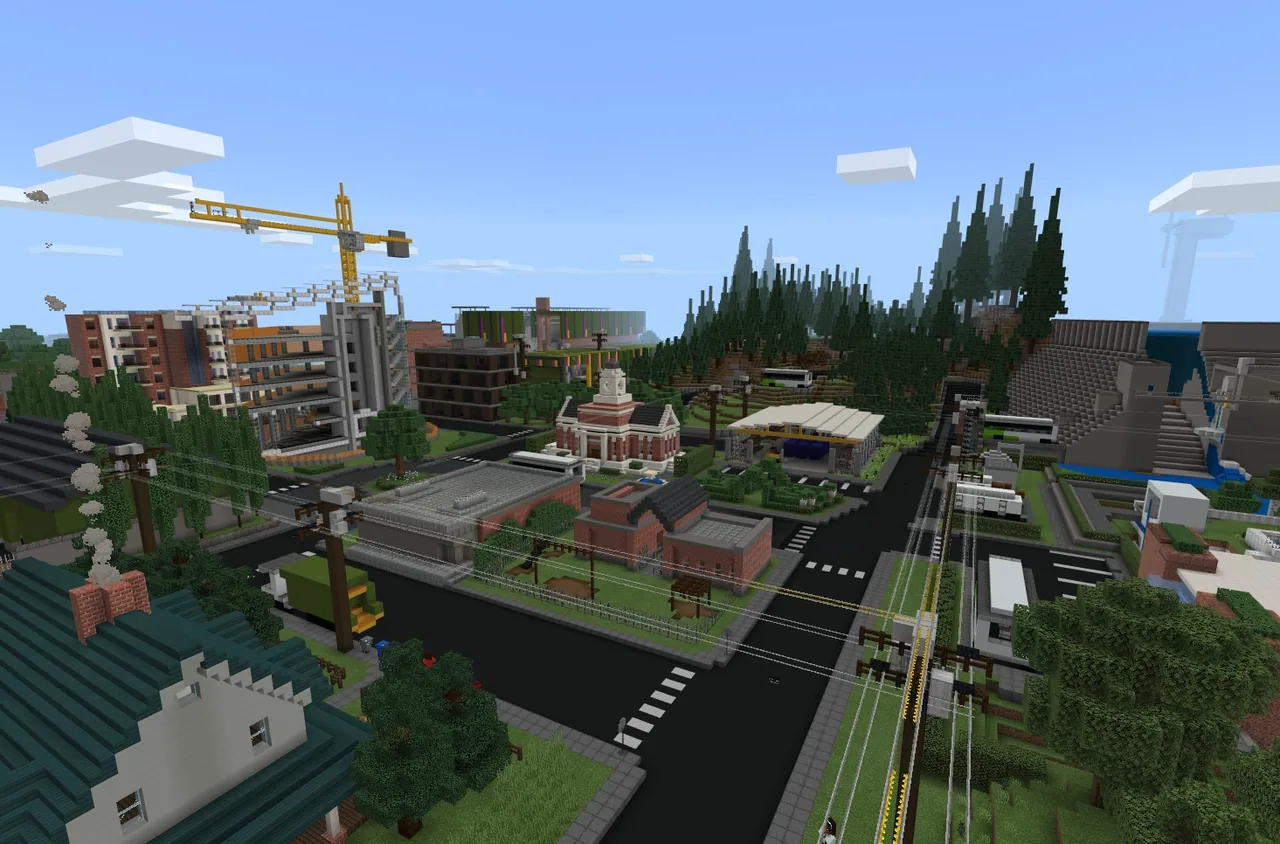
Students enter a Minecraft world to tour a working lumberyard, observe a 40-year forest management cycle, and follow a mountain trail to interview non-player characters about conservation. Along the way, they learn how land area is measured in hectares and gather evidence to analyze the social, economic, and environmental dimensions of forestry.
Learning objectives
By the end of this lesson students will be able to:
- Explain what makes a forest management cycle sustainable.
- Describe why forest conservation is critical for both people and wildlife.
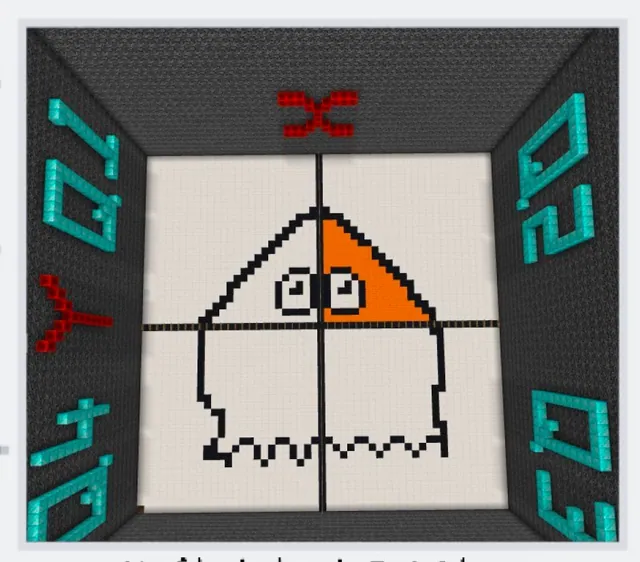
- Define how land area in hectares connects to sustainable timber harvesting.
- Analyze the social, economic, and environmental impacts of forest management through an infographic.
Blocks and items used in this lesson


Key vocabulary
- sustainable
- Able to be maintained or used continuously without depleting natural resources or causing permanent damage.
- conservation
- The careful use, protection, and preservation of natural resources and environments.
- hectare
- A metric unit of land measurement equal to 10,000 square meters, used to calculate forest areas.
- biodiversity
- The variety of living plant and animal species found within a particular habitat or ecosystem.
Before class
Lesson sequence
- Introduction and Tree Product Audit
Have students brainstorm items in the classroom or at home that come from trees and list their ideas on the board. Present a box of common and unusual tree-derived items to show the variety of uses, then guide a discussion on how communities can maintain a continuous supply of these materials.
- Video and Concept Setup
Watch the Georgia-Pacific video as a class. Lead a discussion analyzing the video's presentation of the social, economic, and environmental impacts of sustainable timber management before launching the game.
- Minecraft Forest Exploration
Students log in and explore the world while taking notes on forestry impacts:
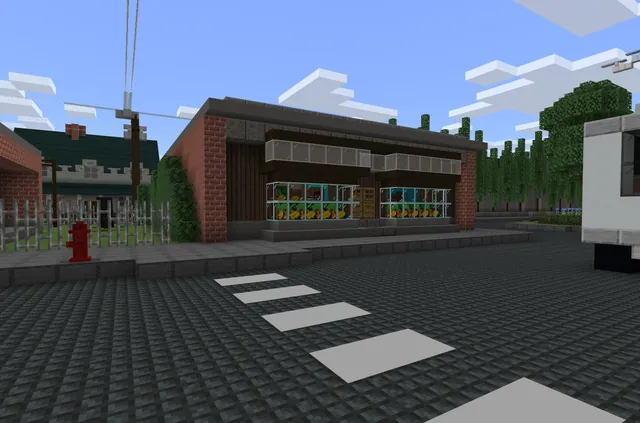
- Start at the lumberyard and identify what the stored wood will build in the city.
- Climb the hill to the management cycle NPC and press the button to observe a 40-year forest cycle.
- Cross the road to meet a conservation NPC and collect information on environmental protection.
- Hike the mountain path to speak with a hiker about environmental stewardship, then turn right at the bottom of the trail to learn about hectares.
- Small-Group Debrief
Group students to compare their Minecraft notes with the concepts from the video. Convene as a full class to summarize the primary social, economic, and environmental takeaways on the whiteboard.
- Infographic Research and Publishing
Students conduct supplemental research and create digital infographics displaying facts on the social, economic, and environmental aspects of sustainable forestry. Have students post their finished graphics to the class collection board.
Assessment: success criteria
- Student accurately explains the definition of a sustainable forest and the concept of a 40-year cycle.
- Student identifies how timber can be harvested while preserving habitat for local wildlife.
- Student describes how hectares are used to measure and manage forested land.
- Student produces an infographic detailing the social, economic, and environmental effects of forestry practices.
Differentiation
Provide a structured note-taking chart with columns for social, economic, and environmental details to use while interacting with the in-game NPCs.
Ask advanced learners to research and incorporate forestry statistics, regulations, or tree species specific to their local region into their final infographic.
Knowledge check
5 questions to check understanding after the lesson. Tap an answer to see if it is right; the score appears at the end.
1What does the button on the management cycle NPC show to the player?
Answer: B. Pressing the button on the management cycle NPC shows students what a 40-year sustainable forest cycle looks like.
2Where do students begin their Minecraft exploration to reflect on city timber uses?
Answer: C. The exploration starts in front of the lumberyard, prompting students to think about how that lumber will be used in a city.
3Which unit of measurement is introduced at the end of the hiking trail to explain forest land management?
Answer: A. After returning down the trail and turning right, students learn about hectares and why the unit matters in sustainable forestry.
4Which three categories of impacts must students research and include in their final infographics?
Answer: D. The lesson requires students to analyze the social, economic, and environmental impacts of sustainable forestry.
5Whom do students encounter along the mountain trail to discuss the importance of caring for the environment?
Answer: C. Following the trail up the mountain leads students to a local hiker who explains the importance of protecting nature.
Resources
Part of the Sustainability curriculum
This is lesson 2 of 7 in Sustainability.
- Alternative Energy
- Dependable Forests
- It’s Good to Be Green
- Outflow Order
- Radical Recycling
- Sustainable Food Production
- Sustainable Home
Frequently Asked Questions
What types of items work best for the introductory box?
Select a mix of obvious and non-obvious items made from wood or tree extracts, such as cardboard, clothespins, fruit, cellophane, or tree-derived deodorants and insecticides.
What digital platforms can students use to submit their infographics?
You can use collaborative class presentation boards such as Padlet, Wakelet, or Sway for students to upload and share their finished visual work.
Adapted from Dependable Forests by Minecraft Education on Minecraft Education, last updated May 23, 2025. This classroom version, the timings and the quiz were written by 9Minecraft Education.