How did video games develop from simple 1980s mechanics into immersive virtual worlds, and why does that history matter today?
Overview
This project connects literacy and the evolution of video games, drawing inspiration from the 2011 novel Ready Player One. Students investigate how video games originated and evolved, exploring the culture and technology of the 1980s. By examining early milestones like Pong and the introduction of easter eggs in Atari 2600's Adventure, learners reflect on how past innovations paved the way for modern, immersive virtual environments.
Using Minecraft, students translate their historical research and literary insights into a tangible digital artifact. Working individually or collaboratively, they construct game-inspired builds, write an introductory project overview with APA references, compile their findings into a Sway presentation, and share their creations with an audience.
Learning objectives
By the end of this lesson students will be able to:
- Build a digital artifact in Minecraft that represents historical video games or themes from Ready Player One.
- Evaluate early video games from the 1980s and examine innovations such as the easter egg in Atari's Adventure.
- Write an introductory overview connecting the novel Ready Player One to 1980s gaming culture.
- Compile project documentation into a Sway presentation accompanied by an APA references page.
- Present final builds and historical reflections to a classroom or digital audience.
Blocks and items used in this lesson


Key vocabulary
- Easter Egg
- A hidden message, feature, or surprise intentionally placed inside a video game or software.
- Virtual Reality
- A computer-generated simulation of an immersive three-dimensional environment.
- Digital Artifact
- An item or structure produced through digital tools to demonstrate learning and research.
Before class
Lesson sequence
- Explore Early Video Games
Introduce students to early gaming mechanics by having them test simple, click-based games and classic 1980s titles such as Adventure, Joust, Robotron 2084, and Donkey Kong. Discuss the cultural significance of these early systems, how developers managed limited hardware, and how Adventure introduced the concept of an easter egg.
- Literary and Historical Analysis
Connect gameplay observations to the 2011 novel Ready Player One. Ask students to write an introduction analyzing how 1980s gaming history informs modern immersive worlds, evaluate their favorite 1980s game, and assemble their source citations using APA format.
- Minecraft Digital Artifact Build
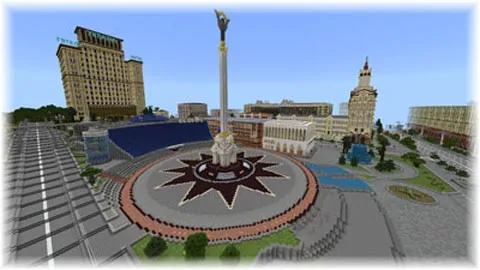
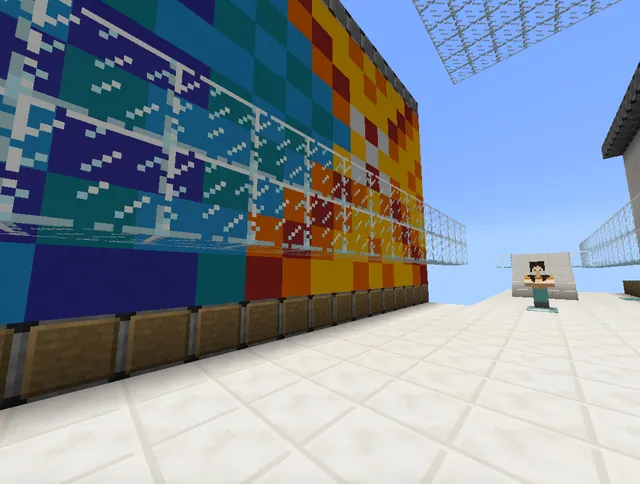
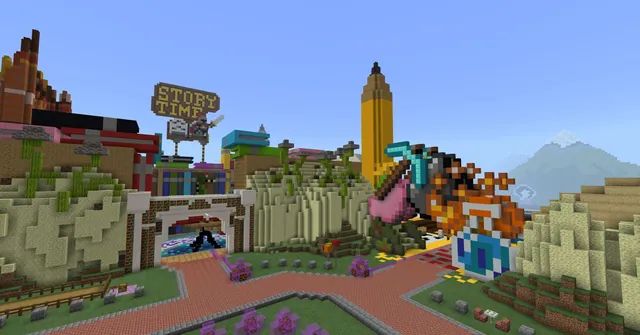
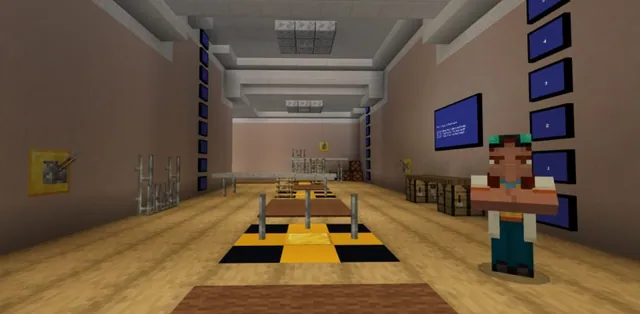
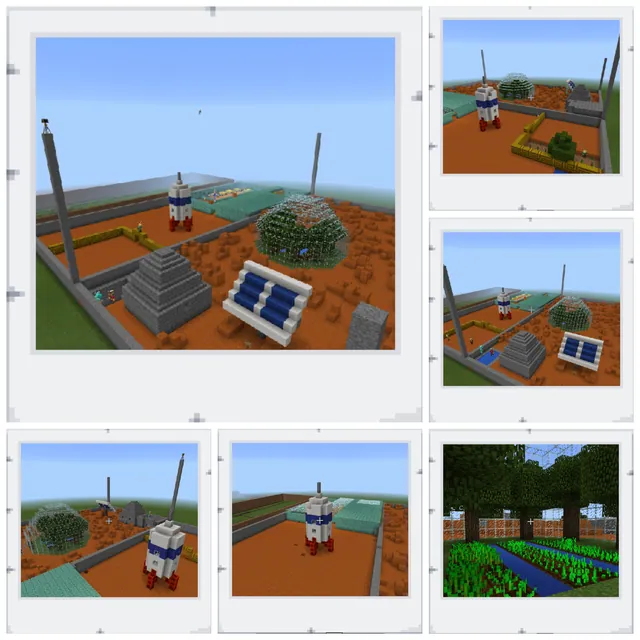
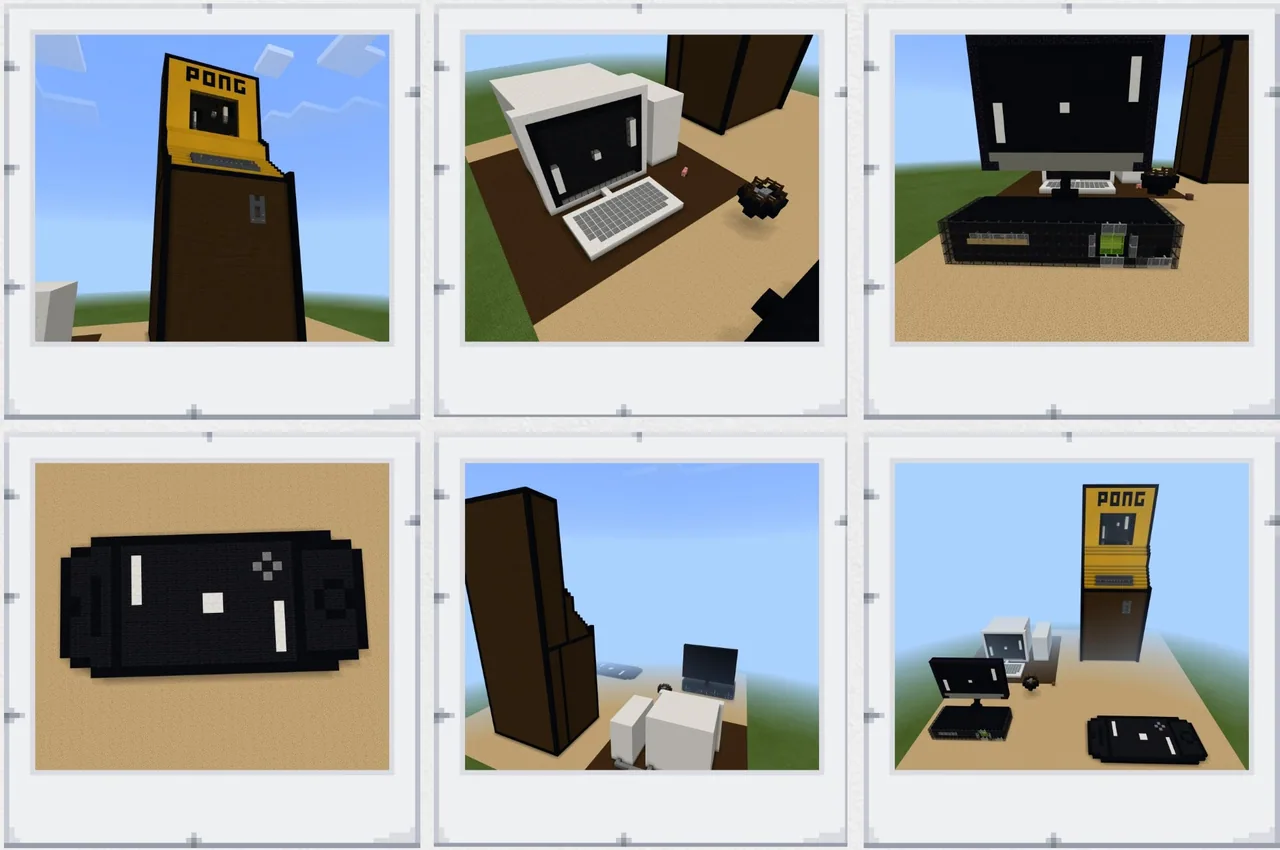
Students launch Minecraft to construct a digital artifact inspired by their research and reading. Depending on class goals, students can build representations of classic arcade cabinets, game environments, or scenes reflecting 1980s game culture.
- Compile Research in Sway
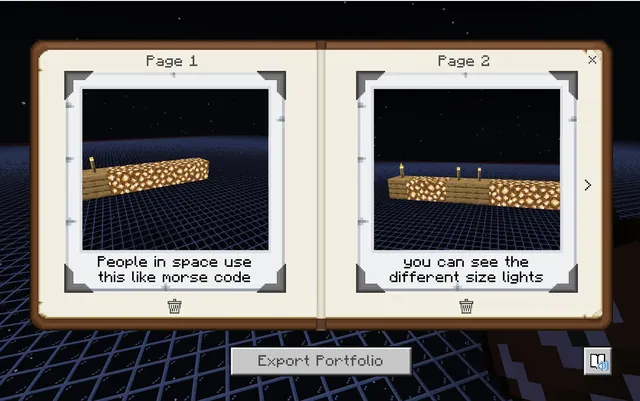
Have students transfer their written analysis, screenshots or video tours of their Minecraft artifact, and APA references page into a structured Microsoft Sway presentation.
- Present and Share
Provide an opportunity for students to present their Sway presentations and guide classmates through a tour of their Minecraft worlds, exercising their verbal presentation and communication skills.
Assessment: success criteria
- Minecraft digital artifact accurately demonstrates a clear connection to 1980s video game culture or themes from Ready Player One.
- Written project introduction clearly evaluates a 1980s video game and connects historical innovations to modern experiences.
- References page is compiled correctly according to APA guidelines.
- Student delivers an organized presentation using Sway to showcase their Minecraft build to an audience.
Differentiation
Provide an APA citation template and a structured planning organizer for the Minecraft build.
Challenge students to hide their own functioning easter egg or secret puzzle inside their Minecraft artifact.
Knowledge check
5 questions to check understanding after the lesson. Tap an answer to see if it is right; the score appears at the end.
1Which novel serves as the literary inspiration for this history and gaming project?
Answer: B. The project is directly inspired by the 2011 novel Ready Player One.
2Which Atari 2600 game is highlighted in the lesson for introducing an easter egg?
Answer: C. The source explains that Adventure for the Atari 2600 introduced easter eggs to video games.
3Which presentation software are students instructed to use to showcase their writing and build?
Answer: A. One of the specific learning objectives is for students to create a Sway.
4Which decade of video game culture is the central focus of the research activities?
Answer: D. The project centers on the culture and video games of the 1980s.
5What citation format must students use when assembling their references page?
Answer: C. The learning objectives require students to assemble an APA references page.
Resources
- Lesson package (.zip)Everything the author attached to this lesson in one download.
- Detailed PDF for Ready Student One – Level 1 (Minecraft Project)This is a PDF that explicates the various components required for the project as well as the connected Common Core State Standards of each component.
- Minecraft Arcade Machines of the 1980s!Alden and Michael (7th Graders at Renton Prep) created a series of old-school arcade machines of the 1980s using math, art, and design techniques!
- 1980s Video Game CityJair, Jonathan, Samuel, Kush, and Gradin (7th Graders at Renton Prep) created a city with various icons of 1980s video games as well as a museum!
- Presentation of Ready Student One Project!Kai, Max, Krish, Mikylla, and Bianca (7th Graders at Renton Prep) presented their Sway in front of their classmates and explicated their design ideas!
Frequently Asked Questions
Is there a required world file download for this lesson?
No world download is supplied with the source; students can construct their digital artifacts in any standard Minecraft world.
How long should this lesson take to complete?
While originally designed around a two-week timeframe, the lesson can be adapted into shorter mini-lessons on game history or focused discussion sessions.
Are students required to read the entire novel Ready Player One?
Reading the novel alongside the build was encouraged to help students generate ideas, but it was not strictly mandatory in the original project setup.
Adapted from Ready Student One: Level 1 by Erikk Hood on Minecraft Education, last updated Feb 9, 2018. This classroom version, the timings and the quiz were written by 9Minecraft Education.