- Type
- Lesson plan
- Grade
- Primary (Grades 3-5)
- Ages
- Ages 8-10
How does microgravity affect bone density in astronauts, and how can we graph experimental data in Minecraft to demonstrate the results?
Overview
Astronauts in space face unique physical challenges, including the rapid loss of bone density due to microgravity. In this lesson, students explore the concept of osteoporosis and investigate why microgravity causes bones to become weak and fragile. Using a hands-on modeling activity, student groups test cereal-filled snack bags representing bones at various density levels to discover how lower density affects bone strength under physical force.
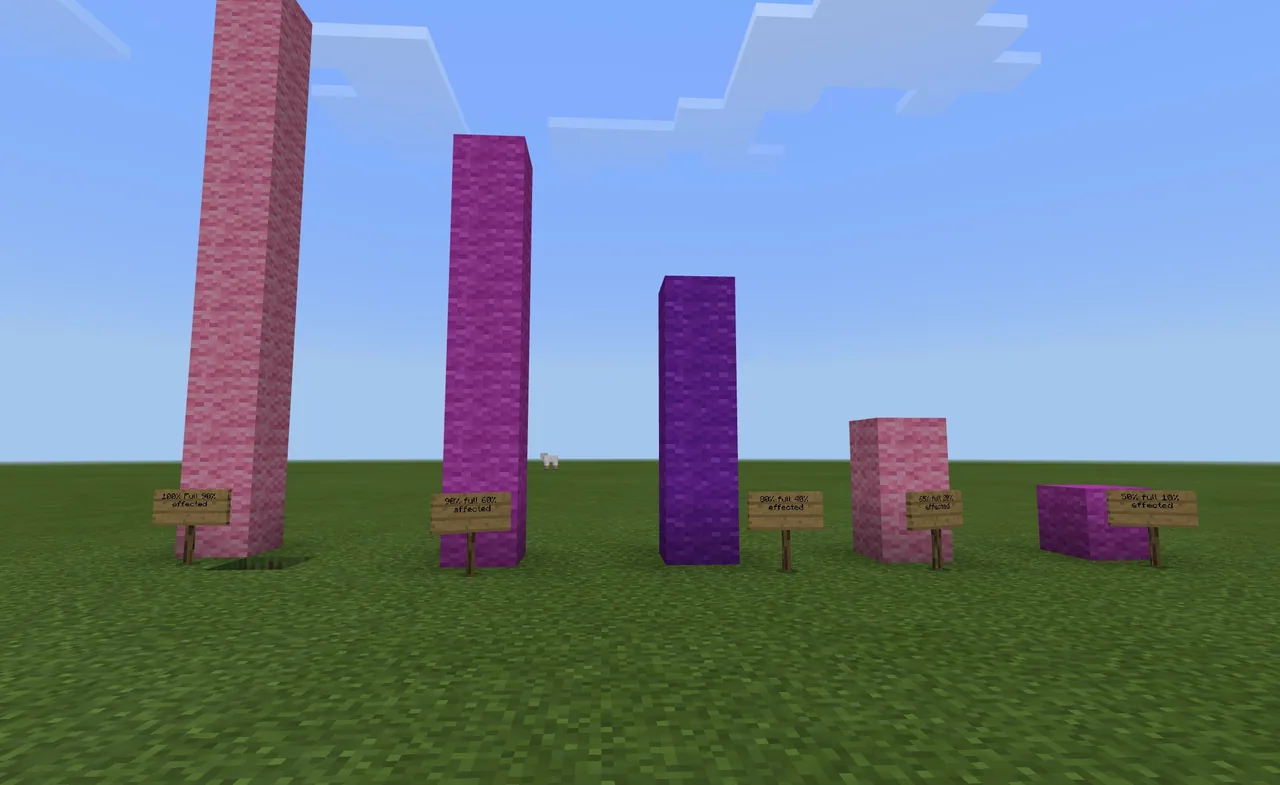
After collecting and calculating their impact data, learners translate their findings into Minecraft Education. Working in shared flat worlds, groups construct three-dimensional graphs to visually display their results. Students label their graphs with in-game signs, photograph their structures, and compile a digital portfolio that connects their hands-on findings to real-world space health.
Learning objectives
By the end of this lesson students will be able to:
- Explain what osteoporosis is and how microgravity causes bone density loss in astronauts.
- Simulate the effect of physical impact on bones with different levels of density.
- Calculate the percentage of affected and unaffected cereal pieces across experimental trials.
- Build and label a collaborative graph in Minecraft that accurately reflects experimental data.
- Document learning by capturing photos with the in-game camera and exporting a portfolio.
Blocks and items used in this lesson


Key vocabulary
- osteoporosis
- A medical condition in which bones lose density, making them fragile and prone to breaking.
- microgravity
- The condition of experiencing very weak gravity, such as the environment astronauts live in while in space.
- bone density
- A measure of how much bone mineral tissue is packed into a given space, determining bone strength.
Before class
Lesson sequence
- Introduction & Concept Discussion
Introduce the topic by asking students if they know what osteoporosis is. Explain that while it usually affects older adults on Earth, astronauts can develop it at a younger age because microgravity causes them to lose bone density. Discuss why strong bones matter and what people can do to support bone health.
- Bag of Bones Experiment
Organize students into groups and explain the cereal bag experiment. Students predict in their journals what will happen to bags filled to different levels (100%, 90%, 80%, 65%, and 50% full) when dropped on by a heavy book. To keep the force consistent, the same student must drop the book on each bag.
- Data Collection & Calculations
Groups count their initial pieces and inspect the bags after the book impact. Using calculators as needed, students record the count of unbroken pieces and calculate both the percentage of unaffected bone and the percentage of affected bone in their journals.
- Minecraft Data Graphing
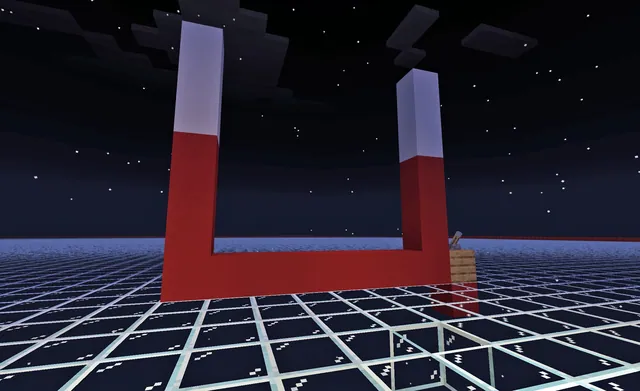
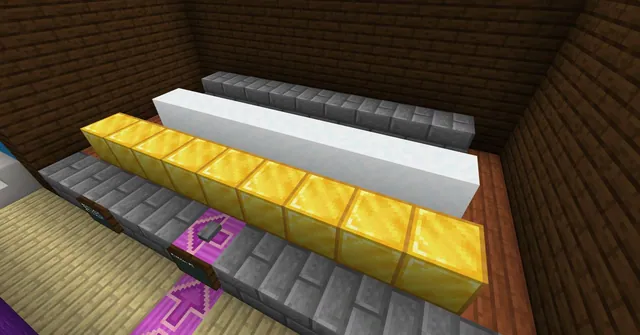
Students open a flat world or the Blocks of Grass template from the Minecraft Library. Working collaboratively, they build vertical bar graphs, horizontal bar graphs, line plots, or modified pie charts to display their data. Groups use slates and boards to clearly label all parts of the graph.
- Portfolio Documentation & Reflection
Students capture photos of their finished Minecraft graphs using the camera item and export their work as a PDF portfolio. In their journals, students write a reflection explaining whether their initial predictions were correct and summarizing what happens to bones when density decreases.
Assessment: success criteria
- Student accurately explains how microgravity leads to reduced bone density in astronauts.
- Group data table shows complete counts and percentage calculations for all five density levels.
- Minecraft graph accurately represents the experimental findings with clear slate or board labels.
- Final journal reflection correctly identifies the relationship between bone density and bone fragility.
Differentiation
Guide students who need help with graphing through the Javelin Line Plots lesson example and provide calculators for percentage math.
Have advanced learners build alternative graph styles, such as modified pie charts or multi-colored comparative bar graphs, to present their data in multiple ways.
Knowledge check
5 questions to check understanding after the lesson. Tap an answer to see if it is right; the score appears at the end.
1Why do younger astronauts experience bone loss in space?
Answer: B. Microgravity in space causes astronauts' bones to lose density and become more fragile.
2What did the different fill levels of corn puff cereal represent in the experiment?
Answer: C. The cereal levels modeled bones with varying percentages of bone loss, ranging from 100% full to 50% full.
3Why was the same student required to hit each bag with the heavy book?
Answer: A. Having the same student hit every bag kept the experimental force consistent across all trials.
4Which in-game items should students use to label their data graphs in Minecraft?
Answer: D. The lesson directs students to label their graphs using slates or boards.
5How do students share visual evidence of their completed Minecraft graph?
Answer: B. Students capture pictures using the camera tool and download their portfolio as a PDF.
Resources
Part of the International Space Station curriculum
This is lesson 1 of 8 in International Space Station.
- Bone Loss in Space
- Filtering Water on the International Space Station
- International Space Station
- Invisible Forces at Work
- Plants vs. Gravity
- Rockets Away!
- Seeing Earth from the International Space Station
- Solar Panel Setback
Frequently Asked Questions
What world should students use to build their graphs?
Students can collaborate in a standard flat world or load the Blocks of Grass world template available directly inside the Minecraft Library.
What support is available if students struggle to build graphs in Minecraft?
Teachers can walk small groups through the Javelin Line Plots activity from Minecraft Education to show concrete examples of how to construct data plots using blocks.
What math skills are required for the cereal bag experiment?
Students need to count initial and undamaged cereal pieces and compute percentages of unaffected and affected pieces, using calculators if needed.
Adapted from Bone Loss in Space by Phygital Labs on Minecraft Education, last updated Jul 28, 2025. This classroom version, the timings and the quiz were written by 9Minecraft Education.