- Type
- Lesson plan
- Subject
- Math
- Topics
- Math & Economics
- Grade
- Primary (Grades 3-5)
- Ages
- Ages 8-10
How can visual block models help us understand fraction operations, equivalence, and decimals?
Overview
This unit guides students through core fraction and decimal concepts using physical, spatial representation. By constructing block-based models, learners develop a concrete understanding of fraction equivalence, addition and subtraction with like denominators, fraction multiplication, and decimal conversions.
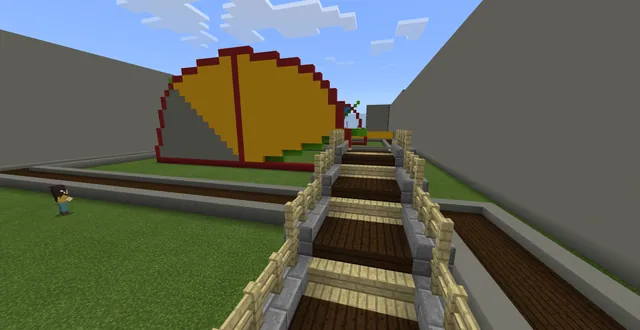
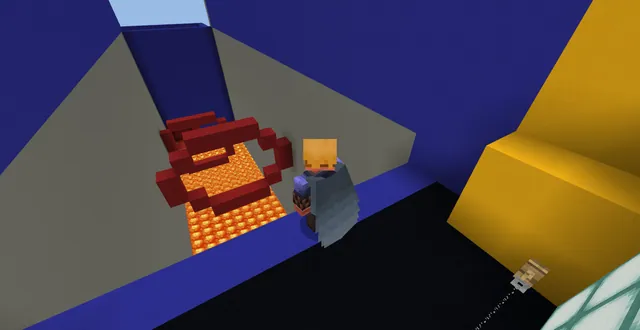
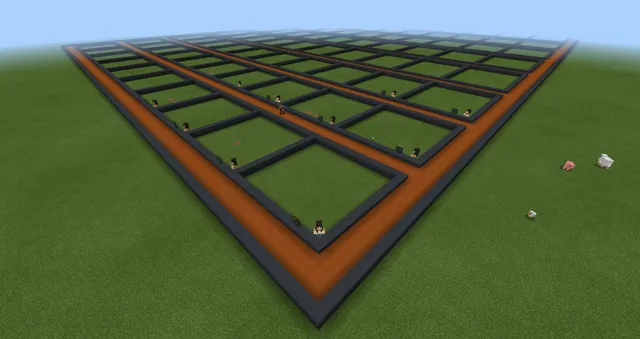
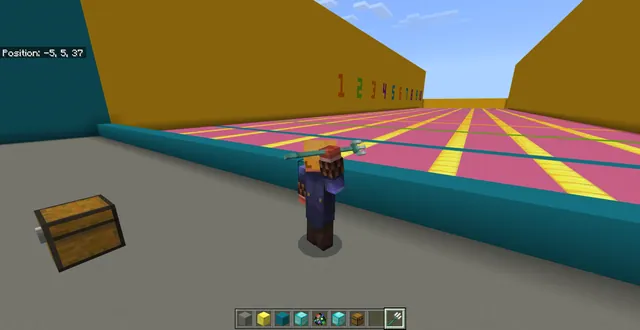
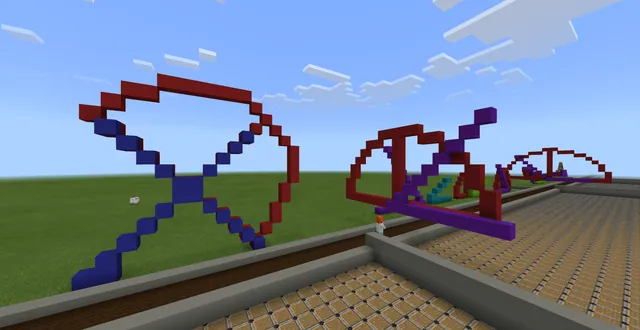
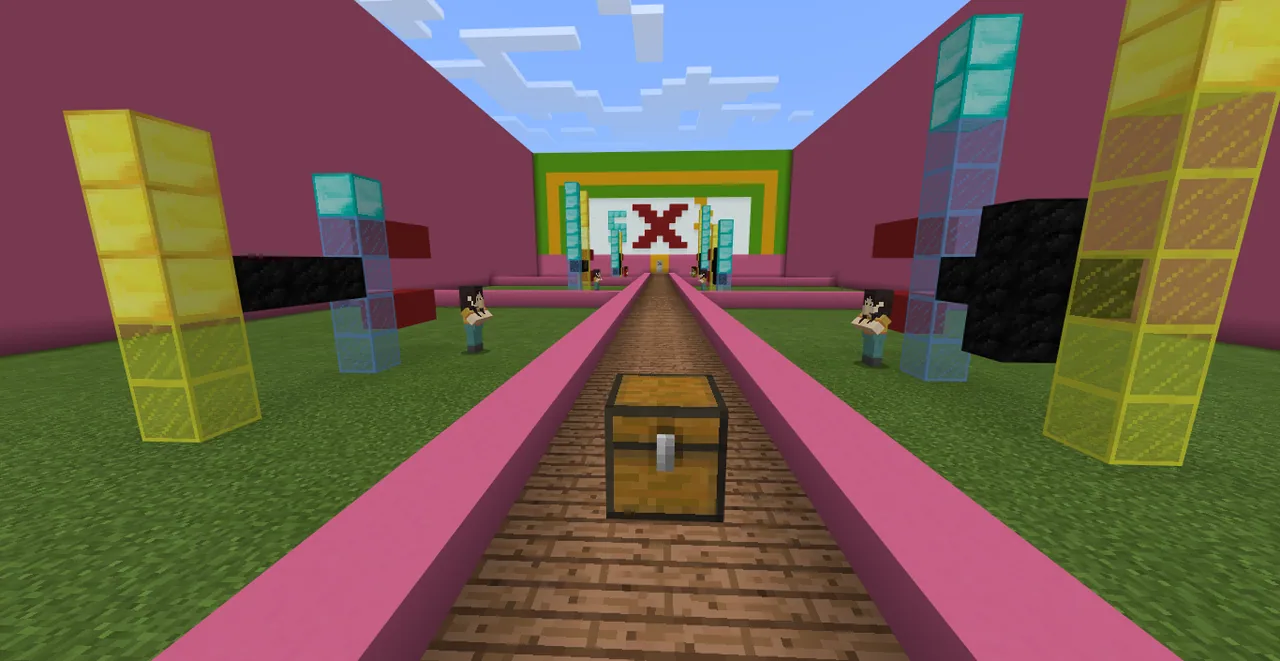
Working in a dedicated single-player Minecraft world, students navigate from a central hub into seven sequential levels. Within each level, learners build visual representations for math problems, view embedded tutorial videos, verify their answers through non-player characters, and document their completed models in a portfolio.
Learning objectives
By the end of this lesson students will be able to:
- Build visual fraction models to generate equivalent fractions using the concept of the great 1.
- Solve addition and subtraction problems involving fractions with like denominators, as well as tenths and hundredths.
- Represent the multiplication of whole numbers by fractions using in-game block structures.
- Convert and compare fractions and decimals up to hundredths using visual representations.
Blocks and items used in this lesson


Key vocabulary
- Great 1
- A fraction where the numerator and denominator are the same value, such as 4/4, which equals one whole.
- Equivalent Fraction
- Fractions that represent the same quantity or value despite having different numerators and denominators.
- Common Denominator
- A shared denominator that allows fractions to be directly added, subtracted, or compared.
- Decimal
- A number showing fractional values based on powers of ten, such as tenths and hundredths.
Before class
Lesson sequence
- Introduction and Concept Discussion
Lead an introductory math discussion using guiding questions about fractions. Discuss the meaning of the 'great 1' (such as 4/4), examine how 3/4 equals 6/8, and review strategies for comparing, adding, and converting fractions to decimals.
- Hub Orientation and Navigation
Have students load their individual world and explore the main Hub. Demonstrate how to warp to specific levels, access video tutorials, and return to the Hub at any point using the teleport command /tp @s 23 5 5.
- Building Math Models
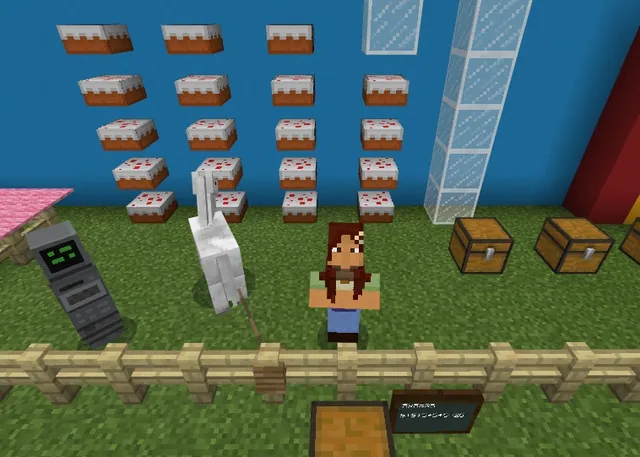
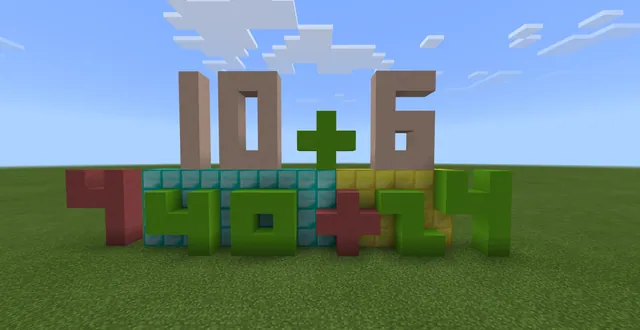
Students enter their assigned level for the class session and solve four to six problems by constructing block-based fraction models. Activities range from equivalent fractions in Level 1 to decimal comparisons in Level 7.
- Assessment and Portfolio Logging
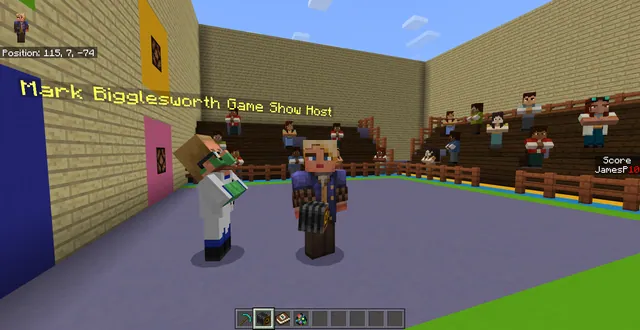
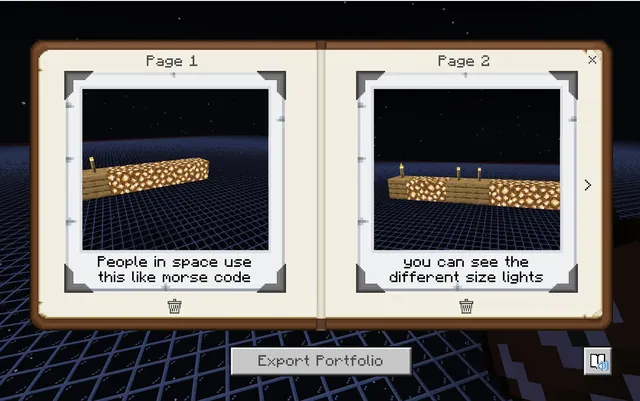
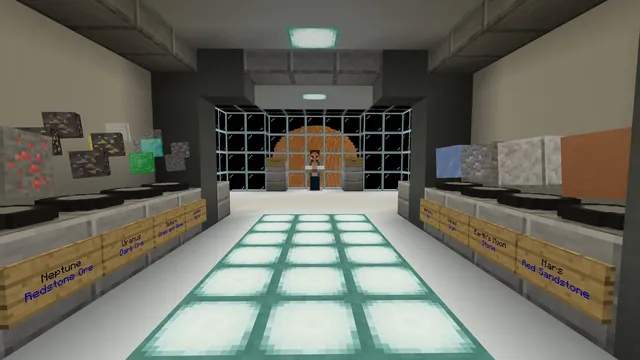
Learners interact with in-game NPCs to log answers and check their results in the Score Room. Students capture photographs of their completed math models to submit as an assessment portfolio.
Assessment: success criteria
- Student constructs accurate math models showing equivalent fractions multiplied by the 'great 1'.
- Student builds visual models to add and subtract fractions with like denominators, tenths, and hundredths.
- Student models multiplication between a fraction and a whole number using blocks.
- Student compiles photos of completed models and checks scores recorded by NPCs in the Score Room.
Differentiation
Allow students to rewatch the included video tutorials and review models of the 'great 1' before completing their own builds.
Permit students to switch to Creative Mode to experiment with structure blocks located in several rooms.
Knowledge check
5 questions to check understanding after the lesson. Tap an answer to see if it is right; the score appears at the end.
1What is the 'great 1' in this lesson?
Answer: A. The source defines the 'great 1' as a fraction that equals one, such as 4/4 or x/x.
2Which chat command teleports the player back to the main Hub?
Answer: B. The lesson instructions specify /tp @s 23 5 5 as the command to return to the Hub at any time.
3About how many problems are students expected to solve per standard in each level?
Answer: C. The introduction states that students will build models and solve four to six problems per standard.
4What special block found in several rooms requires Creative Mode to operate?
Answer: C. The source notes that several rooms include a structure block, which requires Creative Mode to use.
5How do students verify their answers and keep track of their progress in the world?
Answer: B. Scores are recorded by NPCs and tracked as correct or incorrect answers in the Score Room.
Resources
Part of the Grade 4 Math curriculum
This is lesson 7 of 19 in Grade 4 Math.
- Angles and Building Bridges
- Base Ten Puzzles
- Build a Two-Step Word Problem
- Build a Word Problem
- Elytra Flight Rounding
- Finding Factors
- Fractions in Minecraft
- Javelin Line Plots
- Lines, Angles & Architecture
- Long Division in Minecraft
- Math Bed Wars!
- Measurement Mini Game
- Multi Digit Multiplication
- Number Pattern Architecture
- Points, Lines, Rays & Droppers
- Regrouping Obstacle Course
- Subtraction + Regrouping
- Symmetry in Pixel Art
- Wither Battle Regrouping
Frequently Asked Questions
How long is this unit intended to take?
The curriculum contains seven distinct levels, with each level designed to correspond to one class period.
How do students document their learning for grading?
Students take in-game pictures of their math models to assemble into a portfolio, while their performance is logged by NPCs in the Score Room.
What should a student do if they get lost in a level?
Students can open the chat window and run the command /tp @s 23 5 5 to instantly return to the Hub.
Adapted from Fractions in Minecraft by Minecraft Education on Minecraft Education, last updated Sep 15, 2023. This classroom version, the timings and the quiz were written by 9Minecraft Education.