- Type
- Lesson plan
- Ages
- Ages 8-13
- Duration
- 1 hour
- Level
- Beginner
How does habitat loss disrupt the balance between predators and prey in an ecosystem?
Overview
In this lesson, students explore the delicate predator-prey relationship between leopards and impalas across grassland ecosystems. Through an unplugged jigsaw modeling activity and physical measurements, learners observe how animal adaptations function in balance and how the reduction of living space disrupts hunting, grazing, and survival.
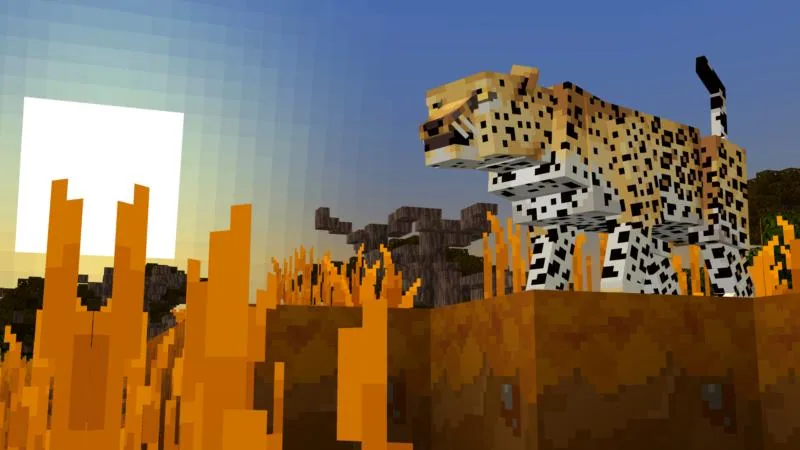
Students then take their inquiry into Minecraft, experiencing ecosystem pressures from both perspectives. By playing as grazing impalas avoiding predators and as stealthy leopardesses navigating tree canopies, students discover firsthand how environmental conditions and human encroachment impact animal behavior.
Learning objectives
By the end of this lesson students will be able to:
- Identify the distinct physical traits and behavioral adaptations of impalas and leopards.
- Measure and compare the jumping and bounding distances of leopards and impalas.
- Simulate the effects of reduced living space on animal populations using a visual ecosystem model.
- Roleplay both predator and prey behaviors in Minecraft to understand hunting and grazing challenges.
Blocks and items used in this lesson
 Short Grass
 Acacia Leaves
 Acacia Log
Key vocabulary
- Habitat loss
- The reduction or destruction of the natural environment where plants and animals live.
- Predator
- An animal that hunts and feeds on other animals for food.
- Prey
- An animal that is hunted and eaten by a predator.
- Vantage point
- A high position that provides a clear, wide view of the surrounding area.
- Grasslands
- Large open areas of land dominated by wild grasses and scattered trees.
Before class
Lesson sequence
Suggested timing: about 60 minutes in total.
- Introduction and Adaptation Measurements15 min
Display images of leopards and impalas, then have students share prior knowledge with a neighbor before recording ideas on a class KWL chart. Discuss hunting leaps, noting that some leopards jump from trees up to 9 meters high, while impalas can leap 3 meters upward and bound 10 meters forward. Move to an open area and have students measure out these physical distances to comprehend these physical capabilities.
- Ecosystem Jigsaw Modeling20 min
Divide students into groups with paper, scissors, and animal pictures. Groups arrange cutouts of leopards and impalas within a grassland habitat on their poster without taping them down. Introduce habitat loss by removing sections of poster space, prompting students to rearrange their animals, discuss shrinking food supplies and crowding, and eventually glue down their final layout.
- Minecraft Ecosystem Simulation20 min
Students log in to Minecraft to experience both roles. As an impala, learners must locate and consume vegetation while evading leopards. Switching to the leopardess role, students must quietly stalk through trees and high vantage points without alerting prey, experiencing how noise and tree cover determine hunting success.
- Debrief and Reflection5 min
Bring the class together to compare their jigsaw configurations and gameplay experiences. Discuss how reduced territory affects birth rates, food competition, and forces predators to relocate.
Assessment: success criteria
- Student accurately identifies the leopard as the predator and the impala as prey.
- Student demonstrates the difference between impala defensive movements and leopard ambush techniques.
- Student explains at least two direct consequences of habitat loss on wildlife populations, such as food scarcity or forced relocation.
Differentiation
Provide pre-cut animal and habitat cards with visual cues to help learners assemble and rearrange their jigsaw posters quickly.
Have students open the Case for Biodiversity world to document damaged zones with a book and quill and construct conservation elements like wildlife reserves.
Knowledge check
5 questions to check understanding after the lesson. Tap an answer to see if it is right; the score appears at the end.
1In the relationship between an impala and a leopard, which role does the leopard play?
Answer: B. The leopard is the predator that hunts the impala.
2How high have certain southern African leopards been observed jumping from trees?
Answer: C. The source notes that some leopards can leap from heights as great as 9 meters (29 feet).
3What defense mechanism helps impalas evade predators like leopards?
Answer: B. Impalas can leap about 3 meters high and gather in groups so individuals cannot be singled out easily.
4What happens in the Ecosystem Jigsaw activity to simulate habitat loss?
Answer: B. The teacher introduces habitat loss by reducing the available space on each group's poster board.
5When playing as the leopardess in Minecraft, what must the player do to hunt successfully?
Answer: C. The leopardess must navigate trees quietly because making too much noise causes the impalas to flee.
Resources
- Lesson package (.zip)Everything the author attached to this lesson in one download.
- Impala FactsImpala Fact Sheet
- Leopard FactsLeopard Fact Sheet
- Impalas and Leopards PPTImpalas and Leopards class presentation
- Lesson worldOpens the world page in Minecraft Education (sign-in with a school account may be needed).
Part of the Planet Earth III curriculum
This is lesson 1 of 5 in Planet Earth III.
- An Ecosystem Jigsaw
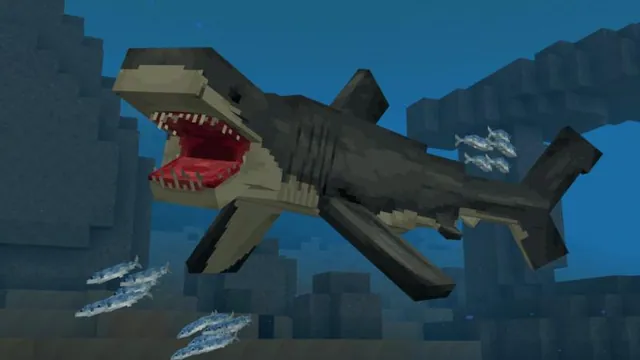
- Fur Seal-Great White Shark Showdown
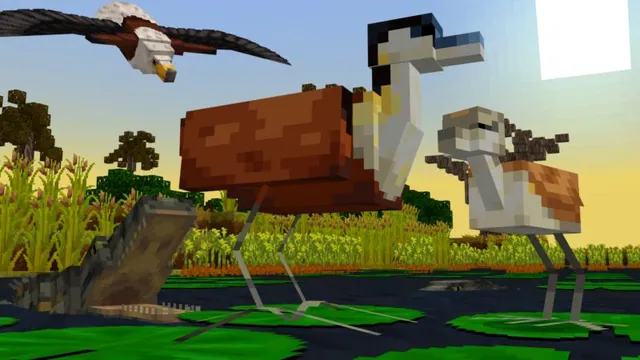
- Lily-trotter Nest Challenge
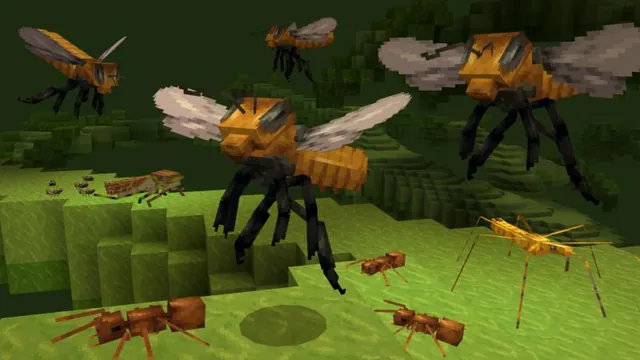
- Mutualistic Vibes
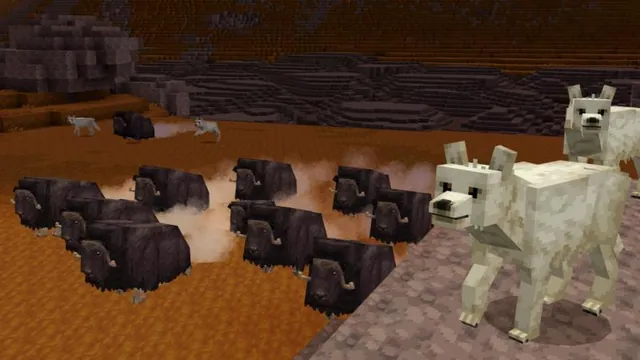
- The Arctic Wolf – Musk Ox Challenge
Frequently Asked Questions
How much classroom space is required for the introductory measurement activity?
A hallway, gym, or cleared classroom area of at least 10 meters is ideal so students can lay out tape measures to see the full length of an impala's bound.
Can the poster board jigsaw activity be completed without printable templates?
Yes. Students can sketch and cut out their own savanna trees, grass patches, impalas, and leopards using reusable scrap paper or cardboard.
What world is recommended for extending the lesson into conservation building?
The optional extension suggests using the A Case for Biodiversity world from the Minecraft Education library, where students can journal and build conservation solutions.
Adapted from An Ecosystem Jigsaw by Minecraft Education on Minecraft Education, last updated Jan 16, 2024. This classroom version, the timings and the quiz were written by 9Minecraft Education.