- Type
- Lesson plan
- Subject
- History & Social Studies
- Topics
- History
- Ages
- Ages 8-13
- Skills
- CommunicationCreativity
How can museum curators use artifacts and informational displays to tell the story of different historical eras?
Overview
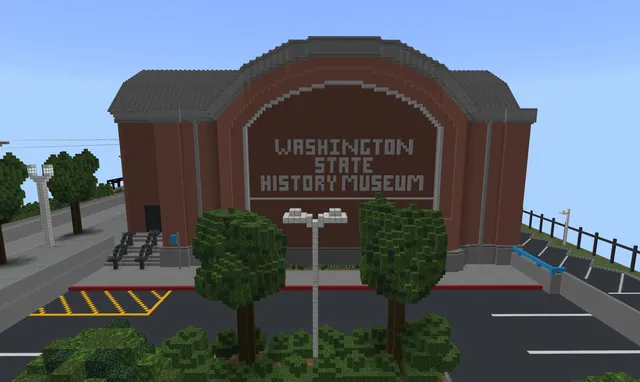
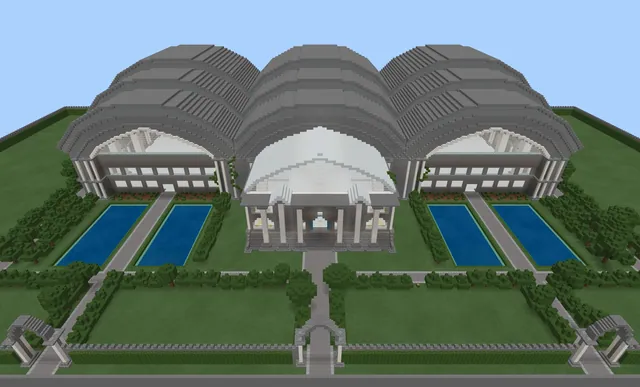
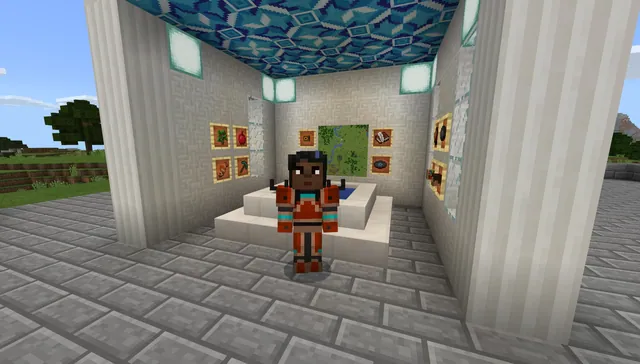
In this lesson, students take on the role of museum curators tasked with designing three historical galleries in the Washington State History Museum. Learners conduct research into Northwest coastal and plateau Indigenous tribes, early exploration and expeditions, and immigration and settlement to choose key events and historical items for public display.
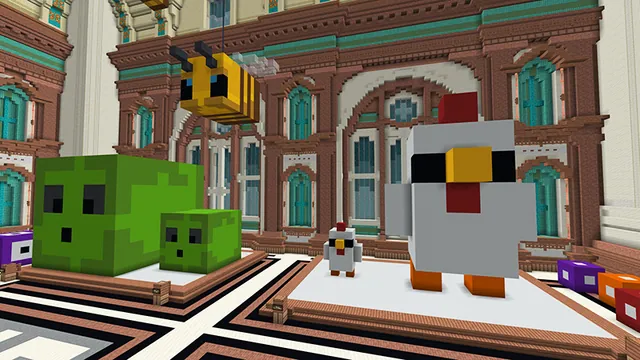
Using Minecraft Education, students build at least five labeled artifacts and two descriptive informational boards per room. They interact with pre-built world features, including outdoor terrain, iron doors powered by levers, animal dispensers, and harvest minecarts, culminating in a modern-day lobby exhibit and a collaborative gallery walk.
Learning objectives
By the end of this lesson students will be able to:
- Identify and design symbols that represent Washington state.
- Select and construct at least five historically accurate artifacts with descriptive sign labels for three distinct eras of Washington history.
- Write at least two informational boards per exhibit room to provide historical context and introduce the era to visitors.
- Build an exhibit display in the museum lobby that represents Washington's current time period.
Blocks and items used in this lesson


Key vocabulary
- Curator
- A person who manages, organizes, and designs displays in a museum.
- Artifact
- An object made or used by humans that gives information about life in the past.
- Longhouse
- A large traditional communal wooden home built by Indigenous peoples of the Pacific Northwest.
Before class
Lesson sequence
- Symbol Gallery and Museum Entry
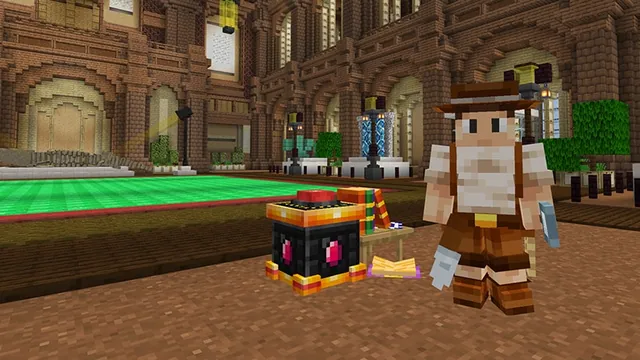
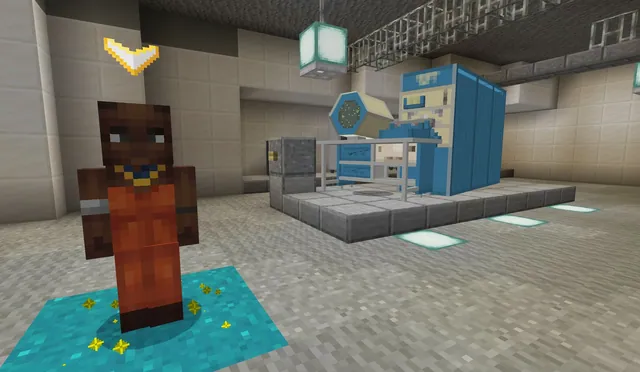
Students meet the tour guide outside the museum, view the symbol gallery, and build their own Washington symbol to earn entrance. Once inside, they speak with the curator and push the button at the lobby counter to receive an entry ticket.
- Research and Room Planning
Students inspect the three empty exhibit rooms: Northwest coastal and plateau tribes, Exploration and expeditions, and Immigration and settlement. Using teacher-provided links and independent research, students plan which five artifacts and two informational boards to create for each era.
- Exhibit Construction
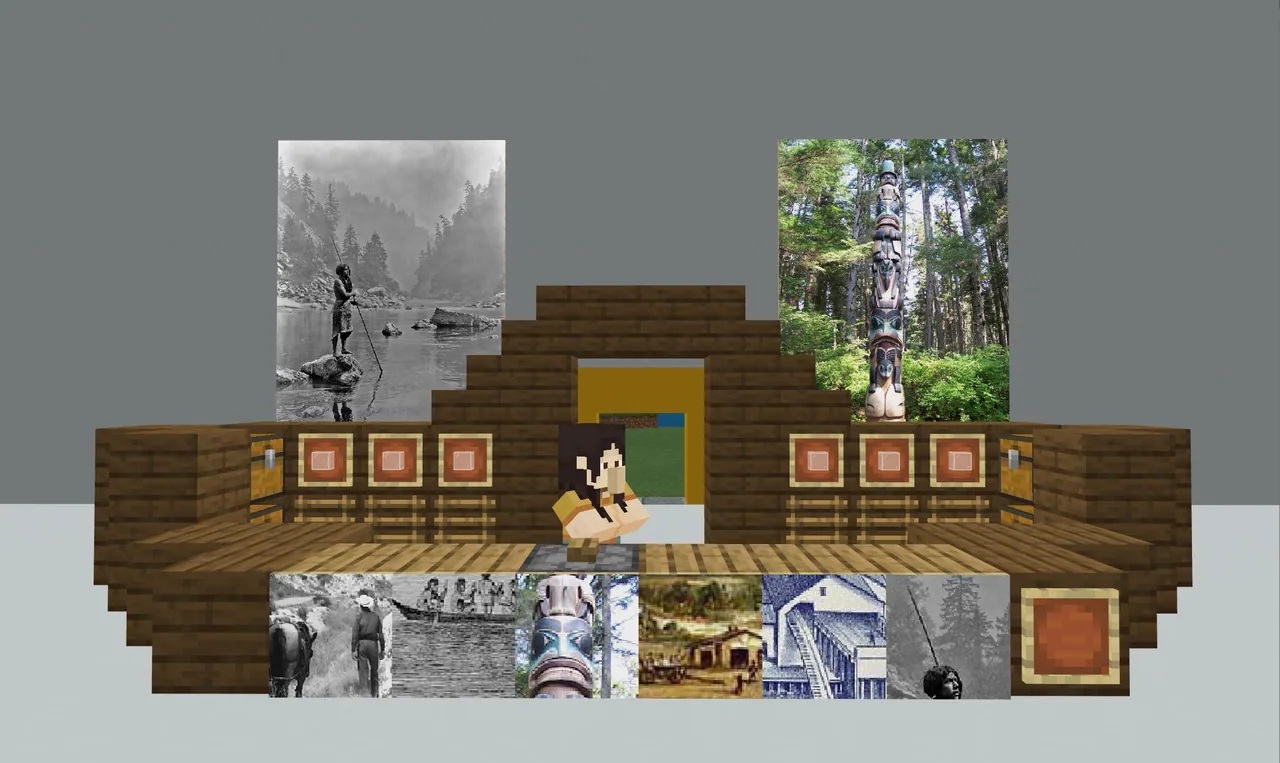
- Northwest Coastal and Plateau Tribes: Build displays directly into the natural landscape or construct a longhouse to hold the artifacts.
- Exploration and Expeditions: Add to or replace wall hangings with newly researched artifacts and labels.
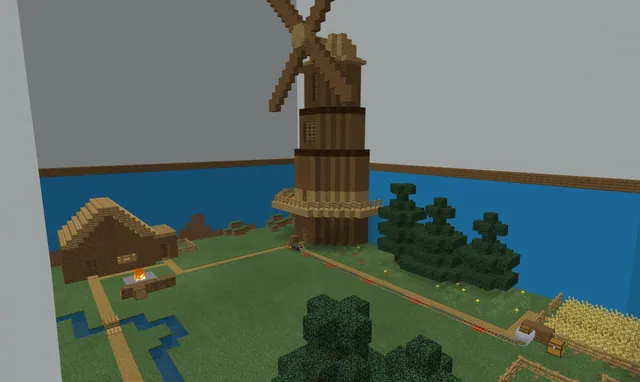
- Immigration and Settlement: Attach a lever to open the iron doors, explore the harvest minecart and animal dispenser mechanics, and build settlement displays.
- Museum Lobby: Create an additional display representing Washington's present day.
- Midpoint Gallery Walk
Halfway through construction, pause for a peer gallery walk. Half the students stay at their devices to explain their choices, while the other half circulate to ask questions, view work in progress, and gather ideas to refine their own exhibits.
- Final Exhibit Revisions
Students return to their builds to polish their artifacts, ensure every sign label is descriptive, and verify that all two informational boards per room are complete.
Assessment: success criteria
- The student built at least five creative artifacts with descriptive sign labels in each of the three historical exhibit rooms.
- The student placed at least two informational boards in each room to introduce the era and give historical details.
- The student created an additional display in the lobby representing Washington's current time period.
- The student participated in the midway gallery walk by sharing progress or asking constructive questions.
Differentiation
Provide a pre-selected list of historical artifacts for each era, pair students with a partner, or lower the required number of built items and boards.
Have students inspect peer exhibits and write physical museum comment cards that share positive feedback and describe facts they learned.
Knowledge check
5 questions to check understanding after the lesson. Tap an answer to see if it is right; the score appears at the end.
1How many labeled artifacts must students construct in each of the three main exhibit rooms?
Answer: C. The lesson instructions state that students must include at least five labeled artifacts in each exhibit space.
2What item do students need to add to the outside doorway of the Immigration and settlement room to open its iron doors?
Answer: A. Students are instructed to add a lever to the outside of the doorway to open the iron doors and explore game mechanics.
3What type of structure may students build in the natural landscape of the Indigenous tribes room to hold their displays?
Answer: D. The source notes that students can build displays directly in the outdoor environment or build a longhouse to contain them.
4Where in the museum must students build a display representing Washington's current time period?
Answer: B. Students are asked to add one additional display in the lobby of the museum showcasing their current time period.
5Why do students conduct a gallery walk halfway through their building project?
Answer: B. Curators visit other exhibits without competition to ask questions and bring fresh ideas back to revise their own work.
Resources
- Lesson package (.zip)Everything the author attached to this lesson in one download.
- WA State History Museum RubricResource
Part of the Museum Builds curriculum
This is lesson 2 of 10 in Museum Builds.
- WA State History Museum Part 1
- WA State History Museum Part 2
- WA State History Museum Part 3
- Create Your Own Museum
- Dynamic Dioramas
- Museum of Me
- Museum of Scale
- Museum of Wales
- The Great Tech Story
- The Hall of Inventions
Frequently Asked Questions
What must students do before they are allowed into the museum?
Students meet a tour guide outside the museum, view the symbol gallery, and build their own Washington symbol before being granted entry.
What pre-built mechanics are featured in the Immigration and settlement room?
The room features iron doors opened by a lever, a minecart system that moves crops from fields to a windmill, and a dispenser that spawns farm animals into a pen.
How many informational text boards are required per room?
Students must include at least two informational boards in each room to welcome visitors and give background details about the historical era.
Adapted from WA State History Museum Part 2 by Phygital Labs on Minecraft Education, last updated Jul 14, 2025. This classroom version, the timings and the quiz were written by 9Minecraft Education.