- Type
- Lesson plan
- Ages
- Ages 3-10
- Includes
- Quiz: 5 questions
How do our individual actions and designs contribute to a respectful, thriving community?
Overview
Building a shared community in Minecraft introduces students to core citizenship, collaboration, and communication skills. By inhabiting a shared virtual town, learners experience the responsibilities of community membership, including respecting private boundaries, maintaining shared public spaces, and taking ownership of accidental mistakes.
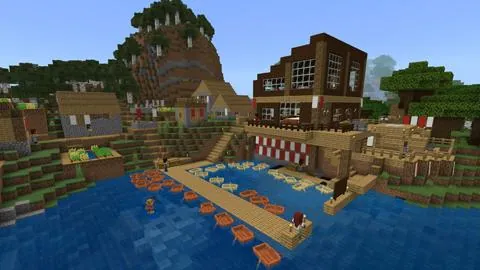
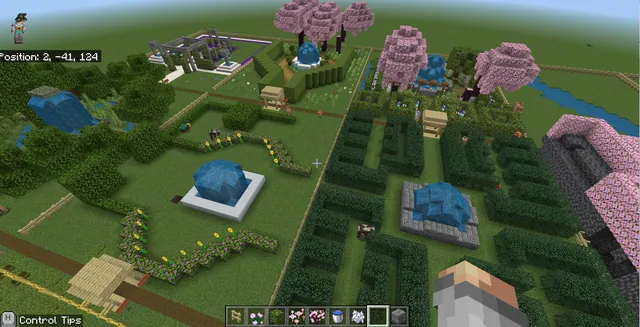
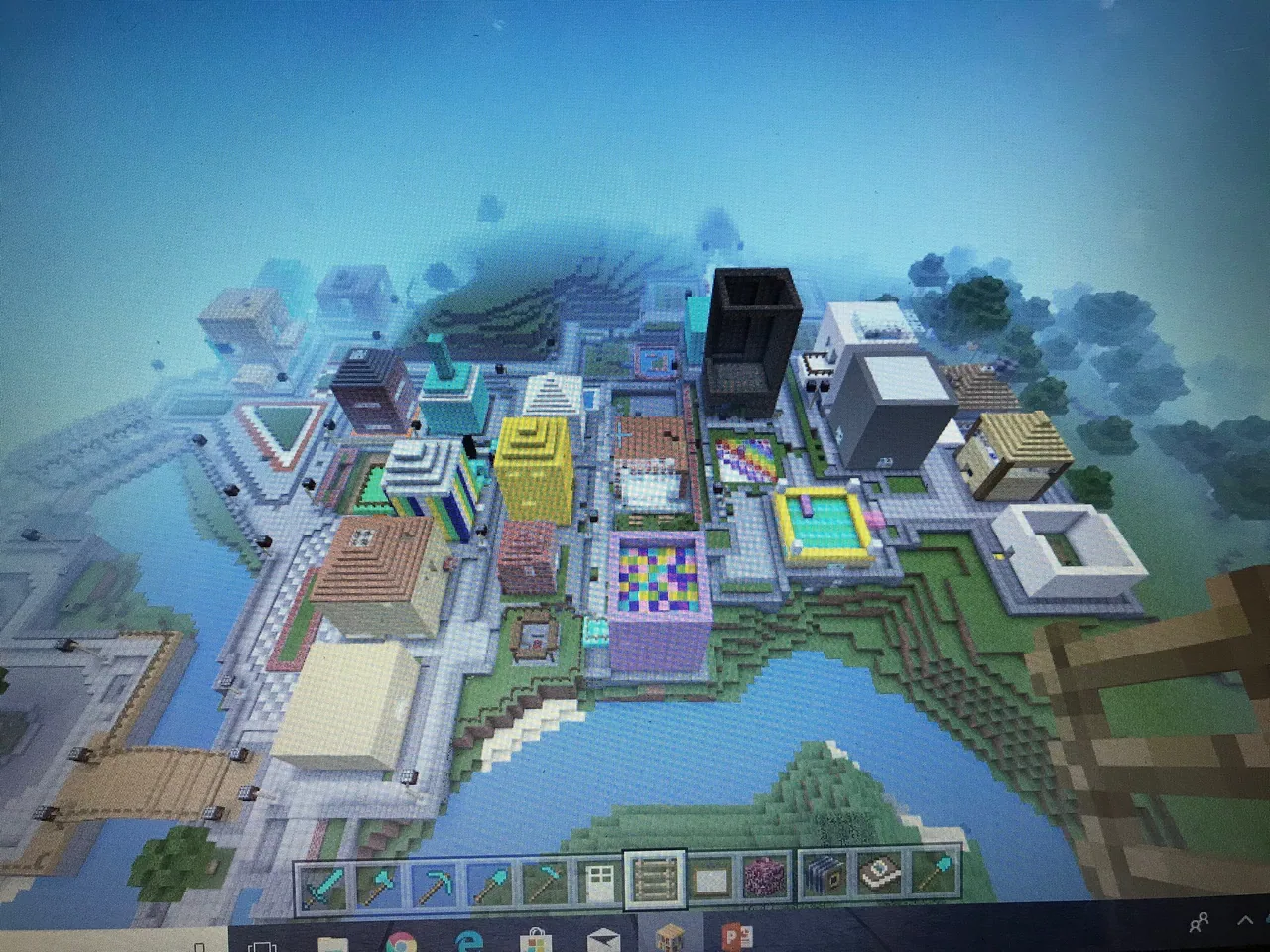
Students begin by exploring a pre-built starter town to discover local landmarks before claiming an individual plot. They then construct a personal home following a progressive checklist of features, exchange structured peer feedback through the T.A.G. model, and present their finished creations using live walkthroughs or screen-recorded presentations.
Learning objectives
By the end of this lesson students will be able to:
- Navigate a shared starter town to identify key municipal buildings and building plots.
- Claim an individual plot and construct a home using tiered success criteria.
- Communicate and collaborate with peers to maintain respectful community spaces.
- Provide and apply peer feedback using the T.A.G. feedback method.
- Present a finished home design and explain the construction process to classmates.
Blocks and items used in this lesson
 Chest
 Brewing Stand
 Oak Sign
 Oak Door
 Flower Pot
 Ladder
Key vocabulary
- T.A.G. Feedback
- A peer review routine where you Tell something you like, Ask a question, and Give a suggestion.
- Starter Town
- A pre-made shared world with public municipal buildings and numbered plots for student houses.
- Success Criteria
- A checklist of specific items and architectural features needed to complete a building task.
Before class
Lesson sequence
- Town Orientation & Landmark Scavenger Hunt
Display the Starter Town on a central screen and fly through the area to build excitement, finishing at the plots numbered 1 to 30. Provide students with their town scavenger hunt checklist.
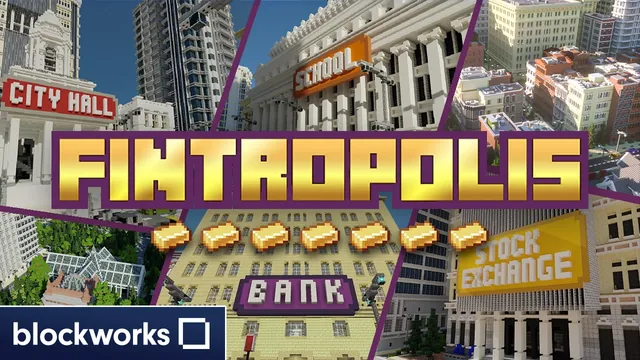
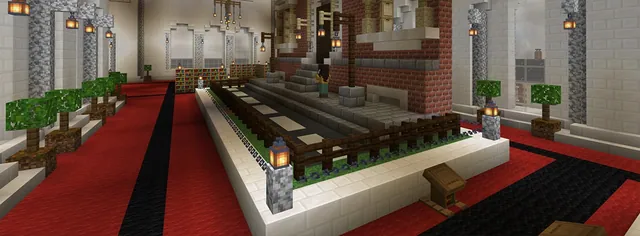
Students log in and explore the town to locate key landmarks: School, Fire Brigade, City Hall, Police Station, Hospital, Watermill, and the White zig-zag bridge.
- Plot Claiming & Initial Construction
Once learners finish exploring, they select one of the available plots (numbered 1-30) and claim it by placing a sign with their name on the block.
Students begin constructing their homes following the beginner criteria: four walls, a door, a roof, windows, a bed, and a chest.
- Tiered Building Challenges
As students complete the foundational structure, they progress through more challenging elements from the checklist:
- Add a flower pot, a tree, pictures, and a table and chairs.
- Expand upward with a second story and ladder, or downward with a basement.
- Incorporate advanced decor like fancy patterned flooring and a brewing stand to brew a strength potion.
- T.A.G. Peer Feedback Sessions
Pause construction across sessions so students can visit neighboring plots and conduct peer reviews using the T.A.G. structure: Tell something you like, Ask a question, and Give a suggestion. Builders then revise their designs based on peer input.
- Home Walkthroughs & Presentations
Students showcase their completed homes to classmates through live in-game guided tours or by narrating a recorded video tour using PowerPoint Screen Recording to explain their design choices.
Assessment: success criteria
- Student locates all required community buildings during the scavenger hunt.
- Student claims a numbered plot with a name sign and respects neighboring plot borders.
- Student builds a home meeting the designated items on the tiered success criteria checklist.
- Student gives constructive T.A.G. feedback and modifies their home design based on peer input.
- Student presents their completed home and explains their construction process.
Differentiation
Pair emerging builders with experienced peer mentors to focus on core structure essentials like walls, doors, beds, and roofs.
Have advanced builders complete complex criteria such as second stories, basements, patterned floors, and brewing a strength potion.
Knowledge check
5 questions to check understanding after the lesson. Tap an answer to see if it is right; the score appears at the end.
1What must a student do to officially claim a building plot in the starter town?
Answer: B. Students claim an available numbered plot by placing a sign stating their name on the block.
2In the T.A.G. peer feedback routine, what does the letter 'A' stand for?
Answer: C. T.A.G. stands for Tell something you like, Ask a question, and Give a suggestion.
3Which potion are students asked to craft using a brewing stand as part of the advanced success criteria?
Answer: D. The success criteria includes crafting a strength potion in a brewing stand.
4Which landmark is included in the orientation scavenger hunt checklist?
Answer: A. The orientation list includes the School, Fire Brigade, City Hall, Police Station, Hospital, Watermill, and White zig-zag bridge.
5What is an acceptable way to take ownership if you accidentally break a block on a neighbor's house?
Answer: A. Classroom community rules require students to repair accidental damage, apologize directly, or leave a polite apology sign.
Frequently Asked Questions
Why are Invisibility potions banned in this world?
Invisibility potions make it easy for players to sneak into other homes uninvited and are difficult to police, so a clear rule banning them protects player privacy and trust.
How can teachers prevent students from building into each other's spaces?
Discuss cause and effect with students before building starts, emphasizing the importance of staying within plot boundaries both above ground and underground.
How can students present their work if live tours take too much class time?
Students can record a digital walkthrough of their house using PowerPoint Screen Recording, narrating their design features and building choices for asynchronous viewing.
Adapted from Build and Share a Community by Kylie McCarthy on Minecraft Education, last updated Jul 10, 2018. This classroom version, the timings and the quiz were written by 9Minecraft Education.