- Type
- Lesson plan
- Subject
- Language Arts
- Topics
- World Languages
- Grade
- Early years (Pre-K to Grade 2)Primary (Grades 3-5)Middle school (Grades 6-8)High school (Grades 9-12)
- Ages
- All ages
- Duration
- 3 hours
- Level
- Beginner
What features and aesthetic rules define a beautiful garden in the target culture, and how can we describe them in the target language?
Overview
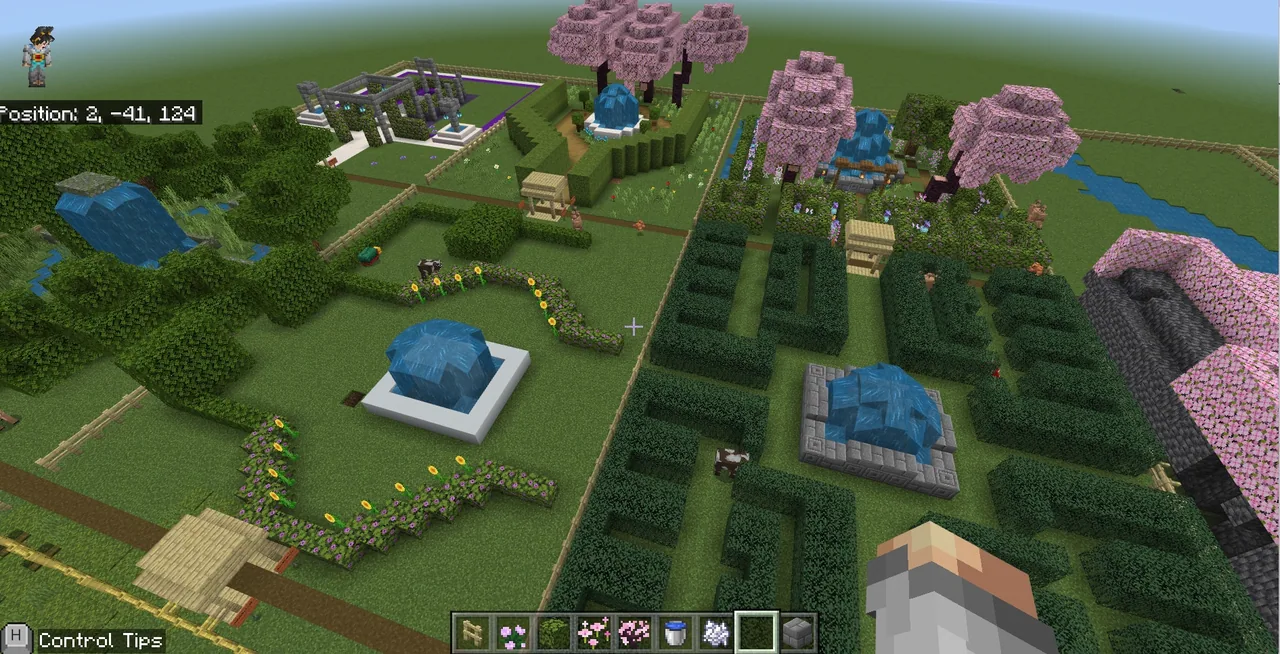
Gardening serves as a meaningful art form across cultures around the world. In this world language project, students explore what defines beauty and traditional garden layout within a target culture, examining common landscaping elements, aesthetics, and design rules through cultural readings and visual resources.
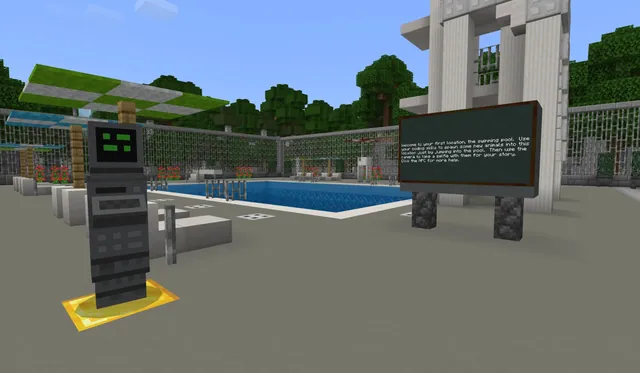
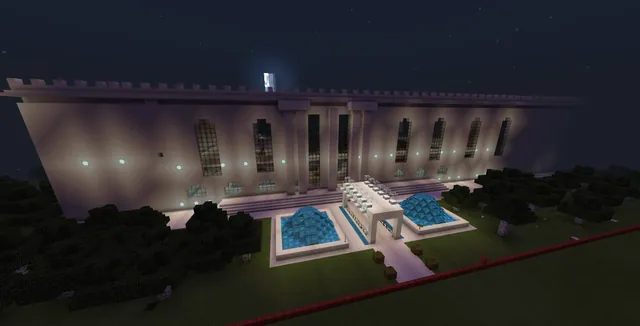
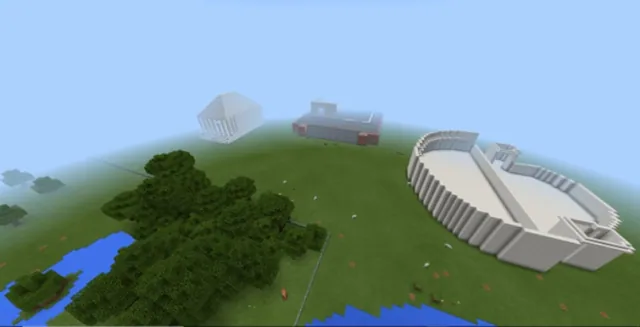
Using a dedicated Minecraft Education world with numbered plots, learners apply target language vocabulary for plants, colors, shapes, pathways, and water features. Throughout construction and peer showcases, students maintain communication entirely in the target language to explain their designs, ask for help, and evaluate how accurately cultural artistic principles were met.
Learning objectives
By the end of this lesson students will be able to:
- Identify and describe key visual and structural rules of traditional gardens in the target culture using the target language.
- Build a culturally authentic garden on a designated plot within Minecraft Education.
- Engage in sustained spoken dialogue with peers and the teacher while designing and touring gardens.
- Write descriptions and evaluations of personal and peer garden creations using accurate grammar and vocabulary.
Blocks and items used in this lesson


Key vocabulary
- Target Language
- The specific language that students are learning and actively practicing in class.
- Target Culture
- The society, heritage, and artistic traditions associated with the language being studied.
- Circumlocution
- Describing an idea or object using familiar words when the exact term is unknown.
- Zone of Proximal Development
- The level of challenge just beyond a learner's current independent ability where growth happens with support.
Before class
Lesson sequence
Suggested timing: about 180 minutes in total.
- Target Language Vocabulary and Cultural Preparation30 min
Review essential vocabulary categories including colors, flora, shapes, walkways, and water. Read through a target language resource on cultural gardening traditions to discuss the design rules and elements that define aesthetic beauty in that society.
- Plot Assignment and Site Clearing20 min
Assign students to numbered lots from 1 to 32 using random selection or student choice. Once inside the world, students locate their assigned kiosk and break the ice numbers on their plot to clear the ground for construction.
- Target Language Collaborative Build70 min
Students construct their culturally authentic gardens while interacting exclusively in the target language. The teacher moves between physical desks and flies in-game to converse with builders, prompting descriptions of layouts, colors, and structural choices.
- Garden Showcase and Peer Evaluation35 min
Learners visit each other's kiosks and gardens to observe how well classmates adhered to cultural gardening rules. Students engage in spoken dialogue about the exhibits and compose written descriptions and impressions in the target language.
- Reflection and Self-Assessment25 min
Students complete a self-assessment rubric evaluating their cultural accuracy, target language use, and grammar. The class reviews how their designs reflect cultural perspectives compared to other world traditions.
Assessment: success criteria
- Demonstration of culturally specific gardening principles and layout rules within the Minecraft build.
- Ability to sustain spoken interaction and practice circumlocution in the target language during gameplay.
- Accuracy of written descriptions, including proper noun-adjective agreement, correct verb forms, and relevant thematic vocabulary.
- Completion of a student self-assessment rubric tracking personal language goals and progress.
Differentiation
Students who are less comfortable can rely on simple, predictable sentence frames such as stating the presence of an element, while gradually moving beyond the silent period.
Advanced students can use spontaneous, complex sentence structures and direct calls for action to negotiate challenges and assist peers entirely in the target language.
Knowledge check
5 questions to check understanding after the lesson. Tap an answer to see if it is right; the score appears at the end.
1How are building plots assigned to students in the lesson world?
Answer: A. The lesson source states that lots are numbered 1 to 32 and can be assigned by picking random numbers on popsicle sticks or letting students choose.
2What action indicates that a student is ready to begin building on their lot?
Answer: B. The source notes that lot numbers are written in ice so that learners know to break the ice as they begin their garden.
3How does the author recommend preparing students for the vocabulary needed in this project?
Answer: B. The teacher prep notes recommend spending 10 to 15 minutes each class period for at least two weeks playing games to move words into long-term memory.
4Which vocabulary categories are specifically highlighted as necessary for this garden build?
Answer: C. The prep notes state that students will need words for colors, various plants, shapes, pathways, and water.
5How is student progress assessed during the building phase?
Answer: C. Success is measured formatively by the teacher observing dialogue and cultural rules, through peer reviews, and via student self-assessment rubrics.
Resources
- Lesson package (.zip)Everything the author attached to this lesson in one download.
- el jardín españolA two-page worksheet
- Le jardin à la françaiseA two-page worksheet
- 日本庭園 worksheetA two-page worksheet
- Minecraft Lesson - Setting Up for SuccessExplanations of how I set my students up for success when we use Minecraft Education
Frequently Asked Questions
Can this lesson be used for languages other than French, Spanish, or Japanese?
Yes. Although the lesson source provides sample reading materials for French, Spanish, and Japanese gardens, the core structure can be adapted to any world language and corresponding culture by adjusting the preparatory vocabulary and cultural texts.
What should I do if students struggle to stay entirely in the target language while playing?
Language immersion in a game environment takes practice. Use formative check-ins to encourage circumlocution, accept simplified sentence patterns for less confident learners, and offer brief, planned language breaks if students become overwhelmed.
How many students can work in the provided world at one time?
The template world includes 32 individually numbered plots with matching kiosks, accommodating up to 32 individual students or pairs depending on your class size and setup.
Adapted from What Are the Rules of Creating a Beautiful Garden in the Target Culture? by Pamela Parks on Minecraft Education, last updated Jul 1, 2024. This classroom version, the timings and the quiz were written by 9Minecraft Education.