- Type
- Lesson plan
- Subject
- Computer Science & Coding
- Topics
- Computer Science
- Ages
- Ages 11-18
- Duration
- about 60 min (suggested)
How can Python lists and loops help automate complex tasks and organize data effectively?
Overview
In Python, lists serve as versatile data structures capable of holding multiple objects, such as integers, strings, or even nested lists, in a single accessible collection. Understanding how to define lists, append new data, and iterate through them sequentially using for loops is a foundational milestone in computer science.
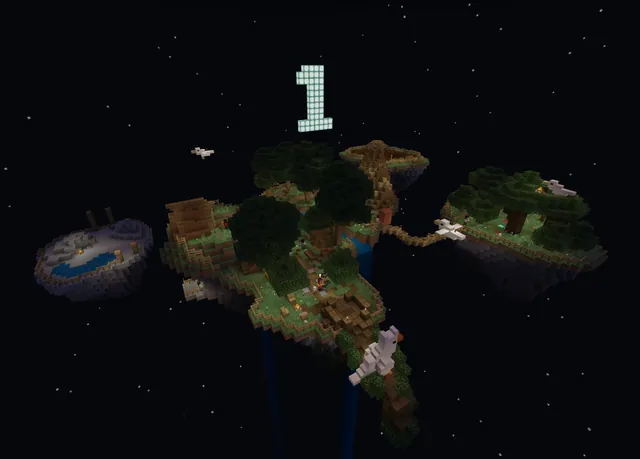
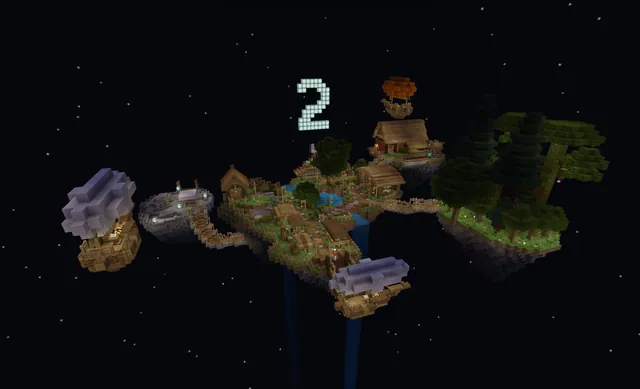
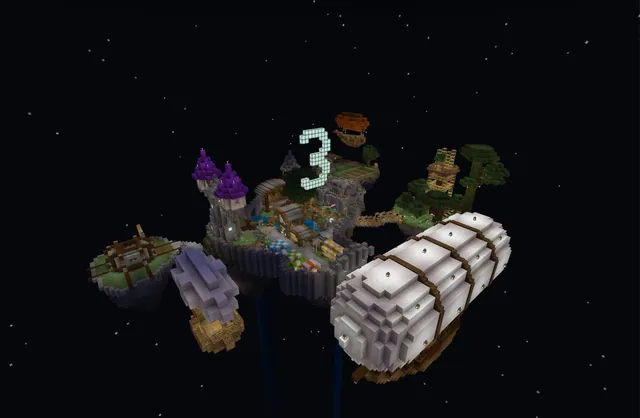
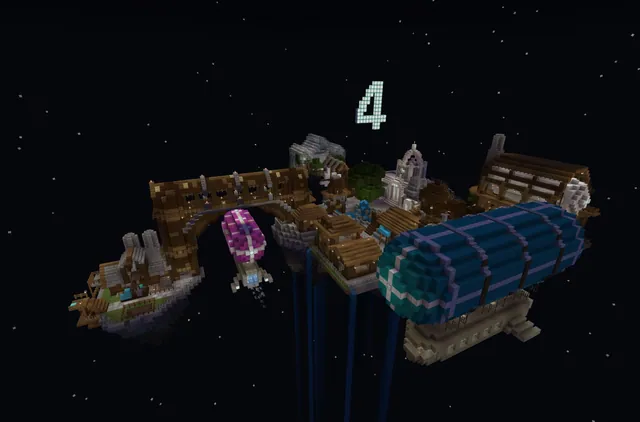
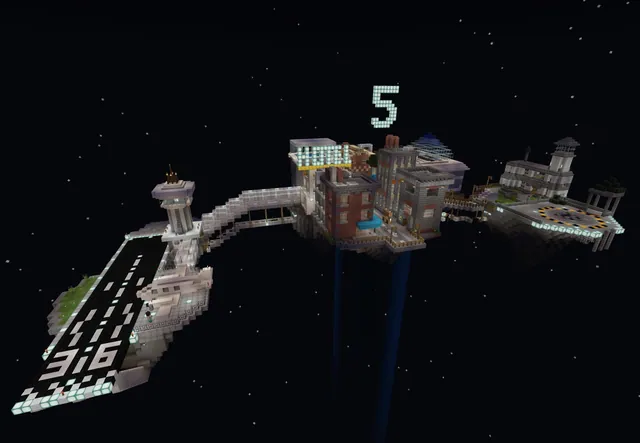
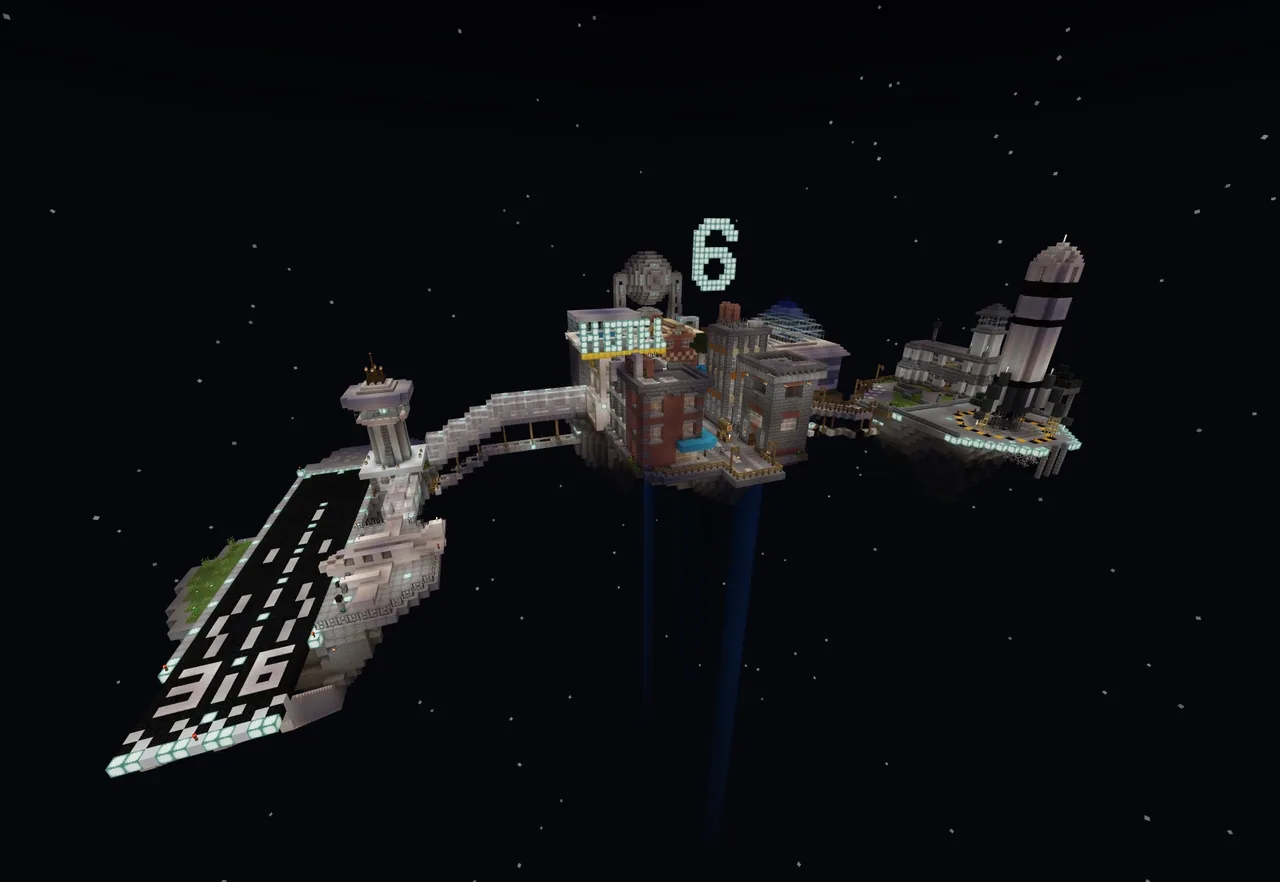
Set within the Kingdom of the Floating Islands, this lesson tasks students with advancing the realm's technology. By breaking down challenges and programming their Agent across locations like a space center, an archaeological dig, and an airport runway, learners put computational sequencing and list handling into practical action before concluding their mission at the parliament building.
Learning objectives
By the end of this lesson students will be able to:
- Identify a list as a Python datatype that stores multiple objects together.
- Write Python code to create lists and append new items to them.
- Iterate through list elements sequentially by pairing lists with for loops.
- Apply decomposition and sequencing to guide the Agent through assigned island tasks.
Blocks and items used in this lesson


Key vocabulary
- List
- A Python datatype that stores an ordered collection of multiple objects, such as strings, numbers, or other lists.
- Append
- The process of adding a new item to the very end of an existing list.
- For Loop
- A programming statement used to step through each item in a collection one after the other.
- Decomposition
- The practice of breaking down a large, complicated problem into smaller, manageable parts.
- Sequencing
- Arranging programming steps in the exact order required to achieve the desired outcome.
Before class
Lesson sequence
Suggested timing: about 60 minutes in total.
- Lead-In and Introduction10 min
Introduce the Kingdom of the Floating Islands setting and remind students of their work in Island 5. Explain that Island 6 introduces lists, a key Python datatype used to manage multiple items in a single structure.
Highlight that the Agent is back to execute tasks that players cannot complete alone, requiring careful sequencing and problem decomposition.
- Coding Tasks 1 and 220 min
Direct students to begin their programming journey at the Space Centre (Activity 1) to practice basic list commands. Next, students transition to the Archaeological Dig (Activity 2), using lists and for loops to guide the Agent through data retrieval and navigation.
- Coding Tasks 3 and 420 min
Have students proceed to Rocket Defects (Activity 3), identifying and managing elements in lists to solve equipment issues. Afterward, guide them to the Airport Runway (Activity 4), where they write scripts to append values and loop through coordinates to repaint the surface.
- Kingdom Debrief10 min
Once the airport runway repainting is finished, instruct students to travel to the parliament building. Speaking with the Prime Minister officially marks the completion of Island 6.
Assessment: success criteria
- Student successfully declares a Python list and appends items to it.
- Student uses a for loop to process each item stored in a list.
- Student completes all four coding challenges: Space Centre, Archaeological Dig, Rocket Defects, and Airport Runway.
- Student returns to the parliament building and speaks with the Prime Minister to finish the lesson.
Differentiation
Provide visual syntax cards demonstrating how to format a basic list and write a standard for loop.
Ask learners to explain how the Agent's behavior would change if the order of elements in their runway list were reversed.
Knowledge check
5 questions to check understanding after the lesson. Tap an answer to see if it is right; the score appears at the end.
1What kinds of objects can be stored inside a Python list?
Answer: C. Lists are versatile datatypes that can hold multiple objects such as strings, integers, or nested lists.
2What term describes adding an item to the end of an existing list?
Answer: A. In Python, appending is the specific action of adding an element to the end of a list.
3Which coding structure allows a programmer to access list objects one after another?
Answer: D. For loops are designed to iterate sequentially through each item contained within a list.
4What must a player do immediately after completing the airport runway repainting?
Answer: B. The lesson concludes when the player visits the parliament building to talk to the Prime Minister.
5What computational thinking skill involves breaking problems down into smaller, codable solutions?
Answer: C. Decomposition is the practice of breaking complex tasks down into smaller steps that can be coded.
Resources
Part of the Python Island curriculum
This is lesson 6 of 6 in Python Island.
Frequently Asked Questions
Does this lesson require prior completion of earlier worlds?
Yes, Island 6 explicitly builds upon the skills and Agent mechanics learned in Island 5, so students should complete the prior lesson first.
How does the teacher know when a student has finished the world?
Students complete the world by finishing the runway repainting activity and visiting the parliament building to speak with the Prime Minister.
Adapted from Island 6 by Minecraft Education on Minecraft Education, last updated Mar 19, 2025. This classroom version, the timings and the quiz were written by 9Minecraft Education.