- Type
- Lesson plan
- Ages
- Ages 8-18
How can we use critical thinking and empathetic design to solve the living challenges of families in need?
Overview
In this lesson, students explore the concept of empathy by examining the hardships faced by virtual families in need, such as illness, job loss, expanding family size, or multi-generational living. By investigating simulated personal struggles, learners practice looking beyond their own perspectives to understand how thoughtful environmental design can relieve everyday pressures.
Working individually or in pairs, students act as home renovation designers in Minecraft. They evaluate family profiles, select achievable solutions such as terrain modification or complete relocation, seek project approval from the teacher, and build a customized home tailored to their assigned family's needs.
Learning objectives
By the end of this lesson students will be able to:
- Examine specific family hardships and brainstorm empathetic housing solutions.
- Select and justify technically achievable design solutions to address a family's unique needs.
- Construct a customized dream home in Minecraft that integrates approved architectural and environmental solutions.
- Present the completed build and renovation process using screenshots, video walkthroughs, or journal records.
Blocks and items used in this lesson


Key vocabulary
- Empathy
- The ability to understand and share the feelings or challenges of another person.
- Terraforming
- Altering the terrain or landscape of an area to make it suitable for living or building.
- Relocation
- Moving a household or settlement to a completely new location to better meet their needs.
Before class
Lesson sequence
- Family Selection and Needs Analysis
Students select or are assigned a family profile experiencing a hardship, such as illness, expanding family size, job loss, or moving in-laws. Students read the scenario carefully and discuss how the situation impacts the family's daily life.
- Brainstorming and Proposal Development
Working alone or in pairs, learners brainstorm potential solutions, including physical house features, terraforming the land, or complete relocation. They eliminate unfeasible options and compile an achievable plan with an estimated completion timeframe.
- Supervisor Review
Students submit their chosen solutions and proposed schedule to the teacher, who acts as the project supervisor. The teacher reviews the submission, requests any needed adjustments, and approves the proposal when it appropriately addresses the family's needs.
- Dream Home Construction
Students enter Minecraft to construct the dream home according to their approved plan. If unforeseen issues arise, students may formally request a timeline extension by justifying why the extra time serves the family's best interests.
- The Big Reveal and Reflection
Learners document their completed builds using screenshots, written journals, or Flipgrid video walkthroughs to explain how their design choices resolve the family's problems. Teachers may conclude the project by distributing certificates of excellence or empathy.
Assessment: success criteria
- Brainstormed list of solutions directly addresses the specific challenges presented in the assigned family profile.
- Justifications clearly explain why certain design solutions were selected and others were eliminated.
- The final Minecraft build incorporates the approved solutions, terraforming, or relocation plans.
- Digital presentation effectively communicates how the design assists the family and exercises empathy.
Differentiation
Provide a guided planning worksheet to help students connect each specific family struggle directly to a single build feature.
Have students conduct online research to find real-world architectural accessibility solutions to integrate into their Minecraft build.
Knowledge check
5 questions to check understanding after the lesson. Tap an answer to see if it is right; the score appears at the end.
1What is the primary objective of the Extreme Minecraft Makeover project?
Answer: B. The project focuses on developing empathy, character, and critical thinking by helping families in need.
2What role does the teacher play during the proposal stage of the project?
Answer: C. The source specifies that teachers act as the project supervisor to approve plans and timeframes.
3Which environmental options can students include in their design proposals?
Answer: A. The source identifies terraforming the land or complete relocation as valid design solutions.
4How can students present their finished project during the big reveal?
Answer: D. The project allows students to present their final build via screenshots, in-game journals, or Flipgrid video walkthroughs.
5Under what circumstance may students request an extension on their build deadline?
Answer: B. Students can ask for time extensions by providing valid reasons showing that extra time serves the family and supervisor.
Resources
- Lesson package (.zip)Everything the author attached to this lesson in one download.
- Project Title Card 1Title Card 1
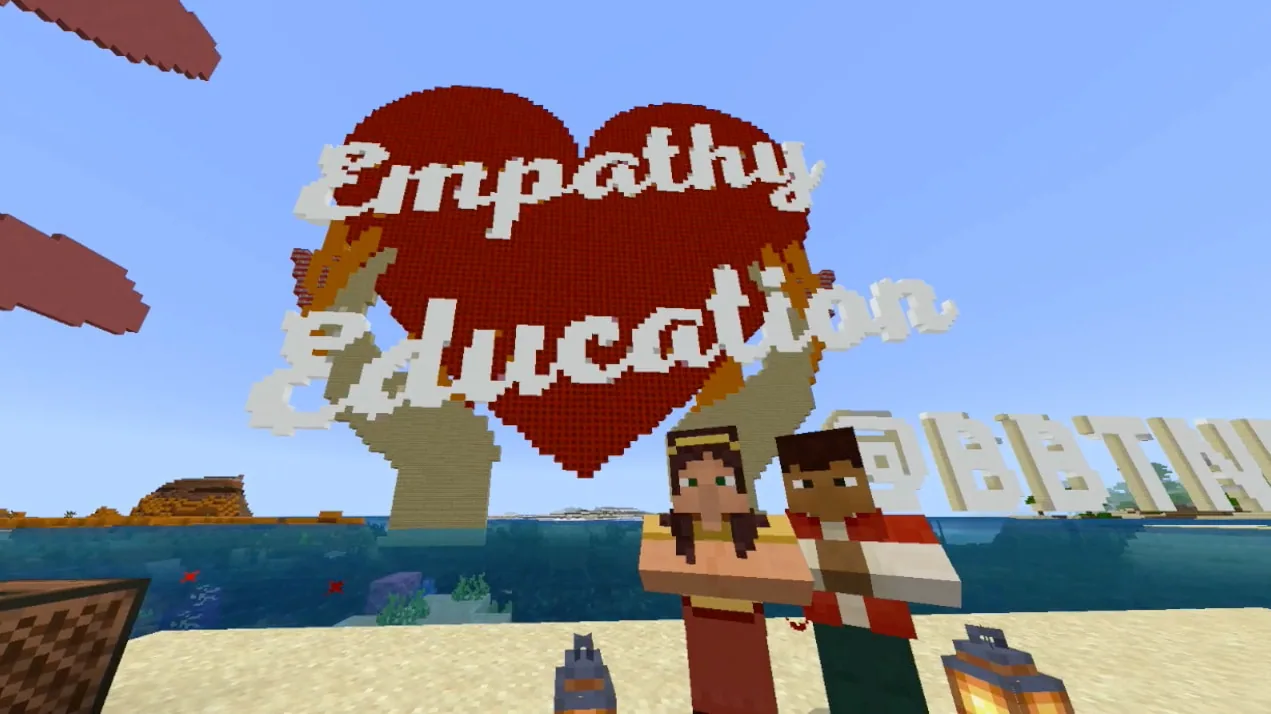
- Title Card 2Empathy Education Title Card
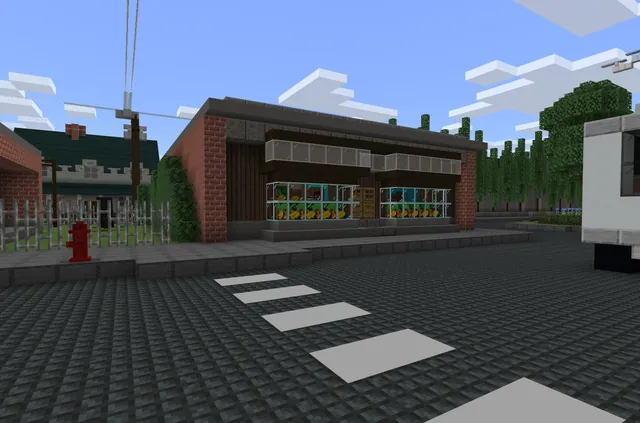
- Screen Shot 3overview of main world
Frequently Asked Questions
Do I need a special custom world download to run this lesson?
No custom world download is required; students can build in any standard world where they can terraform or construct homes.
Can students collaborate in groups for this activity?
Yes, the lesson is designed to allow students to work either independently or in pairs.
What types of hardships do the family scenarios involve?
Scenarios include challenges such as illness, job loss, expanding household sizes, and in-laws moving into the home.
Adapted from Empathy Education Experience by Benjamin Kelly on Minecraft Education, last updated Sep 14, 2021. This classroom version, the timings and the quiz were written by 9Minecraft Education.