- Type
- Lesson plan
- Ages
- Ages 11-18
- Duration
- 1 hour
- Level
- Beginner
How do blood vessels and bodily organs work together to sustain life and defend against foreign invaders?
Overview
The human body functions as a coordinated system where blood vessels deliver oxygen, nutrients, and protective cells to major organs. By examining the connections between the heart, lungs, stomach, muscles, bone marrow, and brain, students gain a foundational understanding of human anatomy and systemic health.
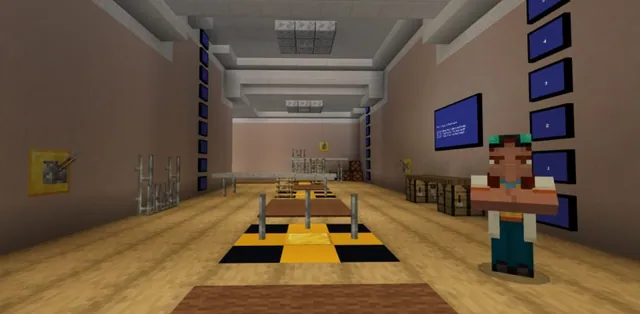
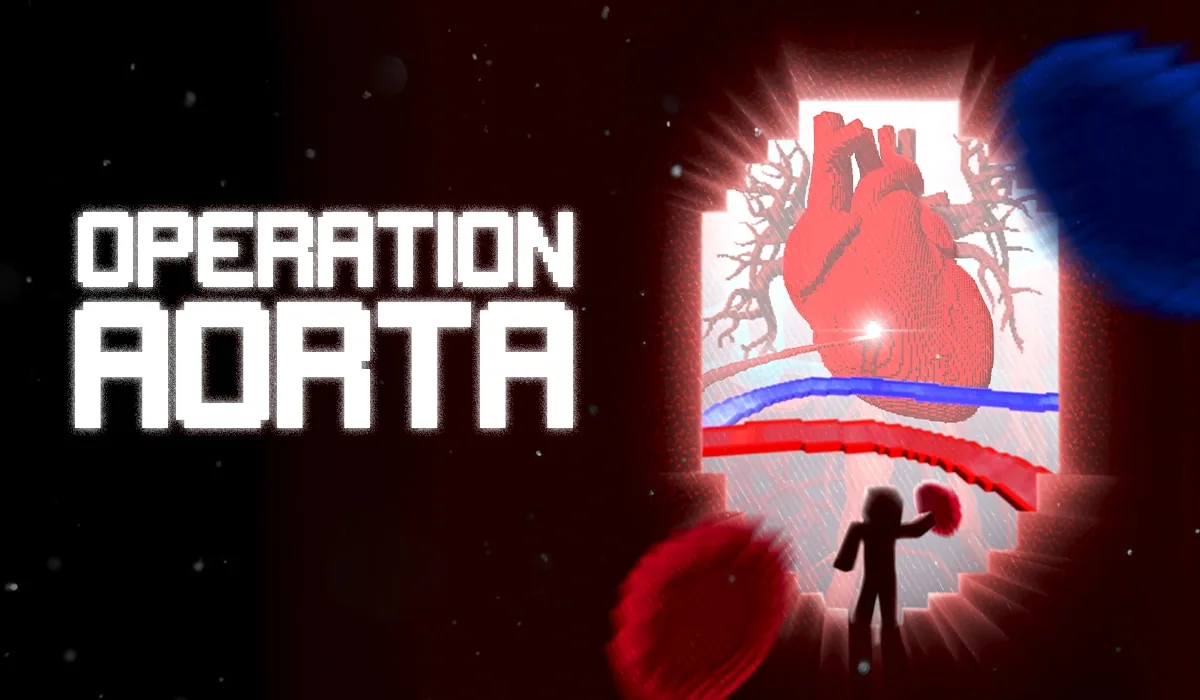
Using the Operation: Aorta world, students shrink down to navigate blood vessels directly. They observe blood circulation and gas exchange, discover where blood cells are produced, face a simulated viral invasion to observe immune responses, and explore the brain to complete their mission.
Learning objectives
By the end of this lesson students will be able to:
- Trace the path of blood through blood vessels and the chambers of the heart.
- Explain the specific physiological roles of the lungs, stomach, muscles, and bone marrow.
- Describe how the immune system identifies and fights off simulated viral infections.
- Identify the function of the blood-brain barrier in protecting the brain.
Blocks and items used in this lesson


Key vocabulary
- Hemoglobin
- An iron-rich protein in red blood cells that transports oxygen throughout the body.
- Antibody
- A specialized protein produced by the immune system to recognize and target foreign invaders.
- White Blood Cells
- Immune system cells circulating in the blood that actively defend against pathogens and disease.
- Platelets
- Small blood cell fragments that help form clots to prevent bleeding.
- Blood-Brain Barrier
- A specialized protective border that shields the brain from potentially harmful substances in the blood.
Before class
Lesson sequence
Suggested timing: about 60 minutes in total.
- System Introduction and Vocabulary10 min
Introduce the human body as an integrated network of cooperating organs. Clarify challenging terminology such as hemoglobin, antibody, white blood cells, and platelets. Facilitate a brief group discussion where students identify known functions of major body systems.
- Minecraft Circulatory Tour25 min
Students launch the Operation: Aorta world and navigate the interior of blood vessels. They inspect the pumping chambers of the heart, examine gas exchange within the lungs, and visit the stomach, muscles, and bone marrow to witness digestion, motion support, and blood cell generation.
- Immune Defense Simulation15 min
Students encounter a simulated viral infection inside the world to observe how immune defenses mobilize against pathogens. After resolving the infection scenario, students proceed to the brain to conclude the exploration and earn the title of Blood Champion.
- Debrief and Reflection10 min
Lead a closing conversation where learners compare notes on organ functions and evaluate their tactics during the virus simulation. Direct students to write a reflective journal entry or brief essay explaining how navigating the virtual body aided their comprehension.
Assessment: success criteria
- Explain how the heart and blood vessels distribute oxygen and nutrients to tissues.
- Describe the primary functions of the lungs, stomach, muscles, and bone marrow as modeled in the simulation.
- Detail how the body's immune mechanisms neutralize viral threats.
- Complete a written reflective journal entry or essay evaluating lessons learned from the simulation.
Differentiation
Provide printed organ diagrams and key term definitions to help students track their location and identify bodily structures.
Have students design their own Minecraft challenge centered on another human organ or physiological system.
Knowledge check
5 questions to check understanding after the lesson. Tap an answer to see if it is right; the score appears at the end.
1Which organ in the lesson is highlighted as the primary site for gas exchange?
Answer: B. The source identifies the lungs as the location where students study gas exchange and the vital role of oxygen.
2What specific bodily function is attributed to bone marrow during the exploration?
Answer: A. The lesson specifically directs students to the bone marrow to learn how blood cells are produced.
3What simulated threat do students encounter to experience the body's immune response?
Answer: C. The source features a simulated virus encounter to show how the immune response combats infections.
4What recognition do students receive upon completing their journey into the brain?
Answer: D. According to the student activities, reaching the brain and consolidating their knowledge earns students the title of Blood Champion.
5What structure is specifically noted for keeping the brain's internal environment safe?
Answer: B. The lesson's guiding ideas focus on the blood-brain barrier and its role in safeguarding the brain's environment.
Resources
- Lesson package (.zip)Everything the author attached to this lesson in one download.
- Lesson Pln English and DutchPDF of lesson plan
Frequently Asked Questions
What supporting files come with this lesson plan?
The lesson includes supporting lesson plan documents in both English and Dutch, as well as a downloadable Minecraft world file.
Which age ranges are suited for this activity?
The resource is created for students aged 11 to 13 and 14 to 18, making it adaptable for middle school and high school life science classes.
How long does the entire lesson take to complete?
The lesson is structured to take approximately one hour, encompassing the introduction, world exploration, simulation, and post-activity reflection.
Adapted from Operation: Aorta - Exploring the Human Body and Blood System by Adam Clarke on Minecraft Education, last updated May 23, 2025. This classroom version, the timings and the quiz were written by 9Minecraft Education.