- Type
- Lesson plan
- Ages
- Ages 11-18
- Duration
- 3 hours
- Level
- Beginner
How can we design an inclusive, accessible virtual space that reflects our values and supports a positive community?
Overview
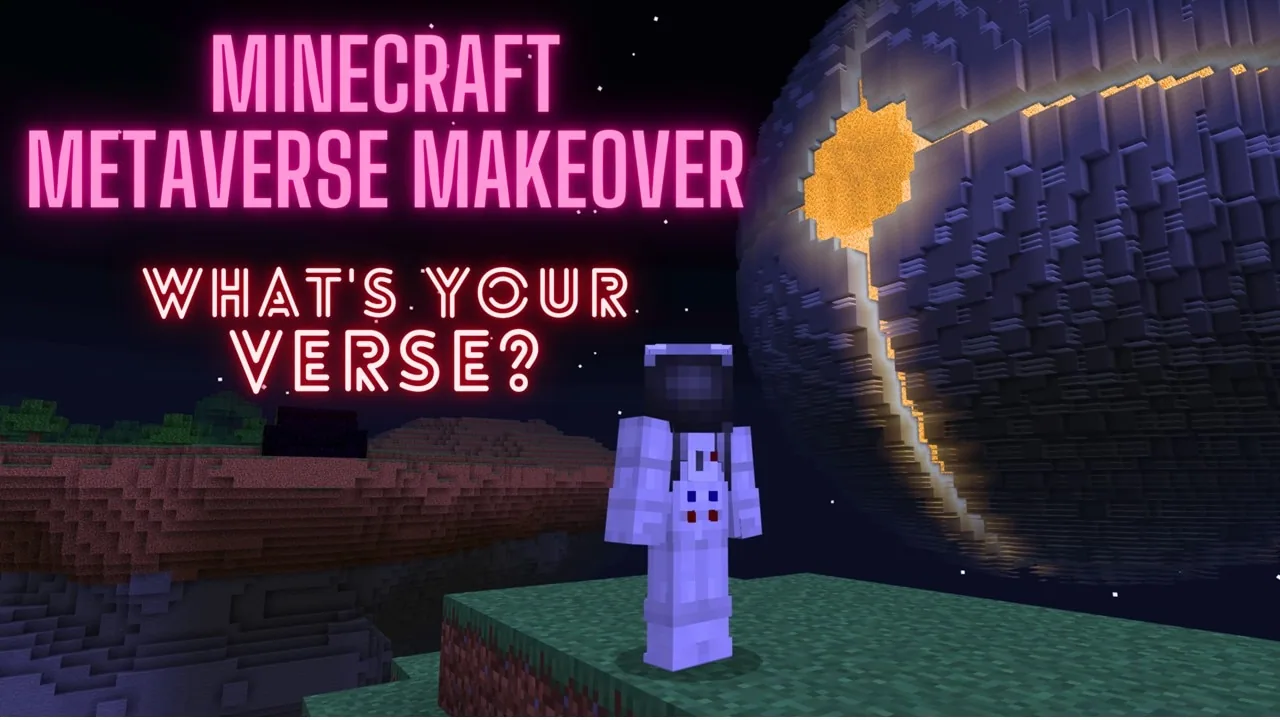
As virtual shared spaces become more prominent, students need opportunities to consider how digital environments are planned, governed, and experienced. This lesson introduces learners to the metaverse as a shared digital environment where thoughtful architecture, accessibility, and community standards play essential roles in fostering a positive culture.
Using Minecraft Education, students embark on an island transformation project. They begin with paper-and-pencil top-down blueprints, establish rules for visitors, reshape island terrain through terraforming, construct their custom environments, and run peer tests to refine their spaces for all visitors.
Learning objectives
By the end of this lesson students will be able to:
- Draw a detailed top-down island blueprint featuring accessible pathways and defined community zones.
- Formulate foundational governance rules and conflict resolution guidelines for visitors.
- Apply spatial design principles such as symmetry, balance, and visual hierarchy inside Minecraft.
- Test virtual environments with peers and refine designs through iterative improvements.
Blocks and items used in this lesson


Key vocabulary
- Metaverse
- A collective, shared virtual space created through digital environments and interactive platforms.
- Terraforming
- The process of altering or reshaping natural terrain to suit specific structural or aesthetic needs.
- Spatial Design
- The intentional organization of space, using concepts like balance and hierarchy to guide movement and focus.
- Inclusive Design
- Designing environments so they are usable, accessible, and welcoming to people of all backgrounds and abilities.
- Governance
- The established rules, policies, and conflict resolution systems used to manage a community.
Before class
Lesson sequence
Suggested timing: about 180 minutes in total.
- Introduction to Metaverse and Inclusion30 min
Introduce the concept of the metaverse as a shared digital world. Discuss guiding questions around what makes a virtual community welcoming, safe, and sustainable.
- Introduce core vocabulary: spatial design, governance, and inclusive design.
- Prompt students to brainstorm personal values and features they want to highlight on an individual island.
- Blueprinting and Governance Planning35 min
Students plan their island on paper before touching the game. They create a top-down 2D map indicating major landmarks, accessible paths, and gathering spaces.
Alongside the map, students draft a set of island rules, guidelines for safety, and procedures for resolving conflicts between visitors.
- Terraforming and Landscape Shaping35 min
Students enter the downloadable Minecraft island world. Following their paper plans, they terraform the terrain by raising hills, clearing flat zones, or carving water features to match their layouts.
Remind students to keep pathways broad and navigable to maintain accessibility from the very beginning.
- Island Construction50 min
Students construct their buildings and community installations using blocks and items that convey their chosen aesthetic and values.
- Focus on spatial balance, symmetry, and clear visual landmarks.
- Incorporate eco-friendly or sustainable design details where appropriate.
- Install signs or markers displaying the island governance rules.
- Peer Testing, Iteration, and Reflection30 min
Students swap seats or visit each other's islands to test navigation, identify confusing layouts, and review posted community rules.
Creators use peer feedback to carry out quick iterations, fixing navigation roadblocks and refining their builds before concluding with a short reflection on their design choices.
Assessment: success criteria
- Student blueprint demonstrates deliberate placement of landmarks and accessible pathway routes.
- Minecraft build applies spatial design principles such as balance, visual hierarchy, and clear navigation.
- Island features clear community rules addressing safety, inclusion, and conflict resolution.
- Student explains at least one change made to the build during testing based on user feedback.
Differentiation
Provide a pre-gridded blueprint template with designated starter zones and a checklist of basic accessibility features.
Challenge students to implement multi-tiered governance structures and complex architectural balance using varied block palettes.
Knowledge check
5 questions to check understanding after the lesson. Tap an answer to see if it is right; the score appears at the end.
1What is the primary purpose of the blueprinting stage before building in Minecraft?
Answer: B. Blueprinting allows students to organize features and pathways on paper before building in-game.
2Which design concept refers to reshaping the ground and natural environment on an island?
Answer: A. Terraforming is the process of altering the land and terrain to match a planned design.
3Why is governance an important part of designing a virtual metaverse space?
Answer: C. Governance establishes community rules, safety guidelines, and ways to handle disputes fairly.
4What should students do during the iteration stage of the project?
Answer: D. Iteration involves refining and improving the build after testing reveals areas that need work.
5How does inclusive design benefit visitors to a metaverse island?
Answer: A. Inclusive design focuses on making spaces navigable and welcoming for all kinds of participants.
Resources
- Lesson package (.zip)Everything the author attached to this lesson in one download.
- Student RubricStudent Rubric
- Teacher RubricTeacher Rubric
- Teacher Master DocumentCoordinates Etc..
- Guiding QuestionsTeacher Guiding Questions Bank
- 22 Prompts for Teachers22 Prompts for "finished" or stuck students
- Student Island Planning BlueprintStudent Island Planning Blueprint
- ISTE Student Standards RelevantISTE Student Standards
- National Core Art Standards RelevantNational Core Art Standards Relevant
- Common Core ConnectionsCommon Core Connections
- Metaverse Career SlideshowMetaverse Career Slideshow
- Navigating the Metaverse SlideshowNavigating the Metaverse Slideshow
- Building Inclusive Spaces SlideshowBuilding Inclusive Spaces Slideshow
- Title ImageTitle Image
Frequently Asked Questions
Do students need advanced Minecraft building skills for this lesson?
No. The activity is classified as beginner-friendly because it emphasizes design thinking, planning, and accessibility over complicated building techniques or redstone circuitry.
How can this lesson fit into shorter class periods?
The 3-hour duration can easily be split across three distinct 60-minute blocks: one for brainstorming and paper blueprinting, one for terraforming and building, and one for peer testing and iteration.
Can students work in pairs or teams?
While the lesson is framed around personal islands, students can collaborate on shared islands to divide planning, terraforming, and governance tasks, fostering stronger teamwork.
Adapted from Minecraft Metaverse Makeover! What’s Your Verse? by Logics Academy on Minecraft Education, last updated Sep 20, 2023. This classroom version, the timings and the quiz were written by 9Minecraft Education.