- Type
- Lesson plan
- Subject
- Computer Science & Coding
- Topics
- Computer Science
- Ages
- Ages 13-16
- Duration
- 1 hour
- Level
- Beginner
How does analyzing an initial attempt help you systematically refine your problem-solving strategy?
Overview
Students engage with core computer science principles through iterative problem-solving and strategic planning. Rather than relying on trial and error, learners must systematically approach a complex retrieval task, observe the outcomes of their decisions, and apply computational thinking to streamline their execution.Learning objectives
By the end of this lesson students will be able to:
- Formulate an initial strategy to locate, retrieve, and return a hidden flag within a custom world.
- Evaluate obstacles and unexpected outcomes from an initial run using reflective inquiry.
- Implement a targeted modification to improve performance between the first and second attempts.
- Explain the reasoning and computational thinking behind strategy or automation choices.
Blocks and items used in this lesson

Key vocabulary
- Computational Thinking
- A structured problem-solving approach that involves analyzing steps, recognizing patterns, and designing logical solutions.
- Optimization
- The process of modifying a strategy, route, or procedure to make it as efficient and fast as possible.
- Iteration
- Repeating a sequence of steps with planned adjustments to steadily improve the final result.
Before class
Lesson sequence
Suggested timing: about 60 minutes in total.
- Briefing and Exploration10 min
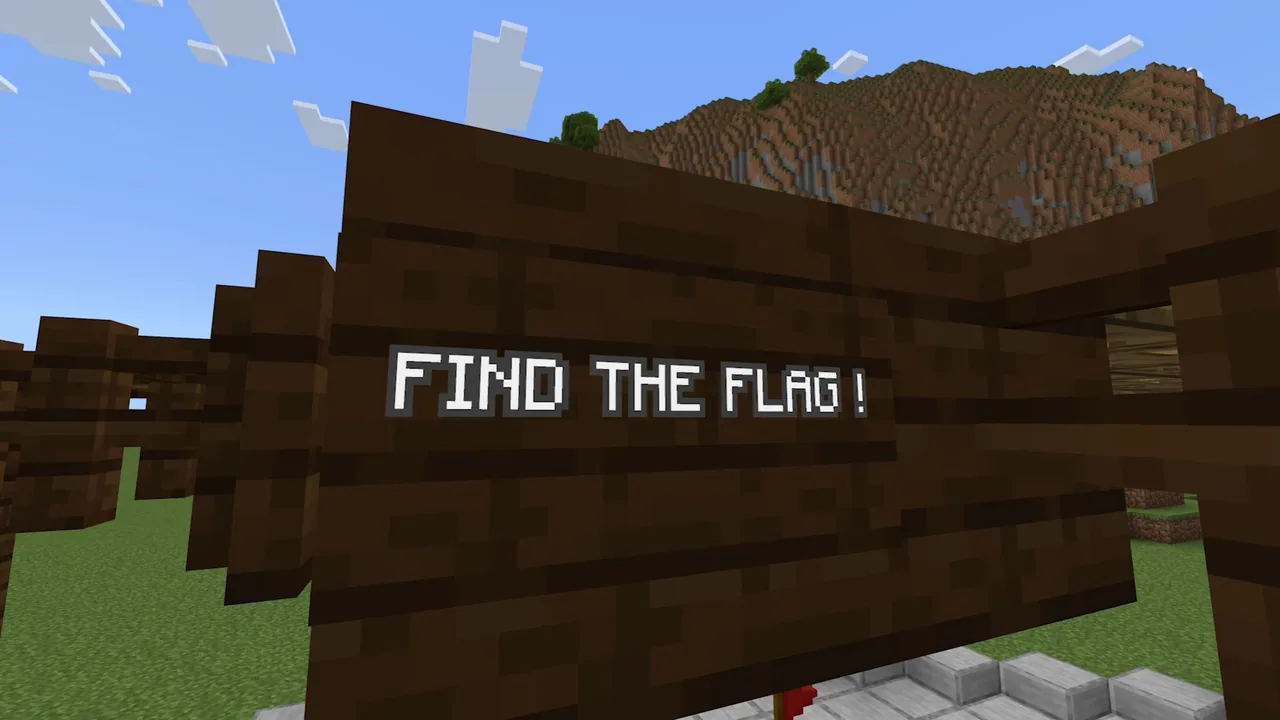
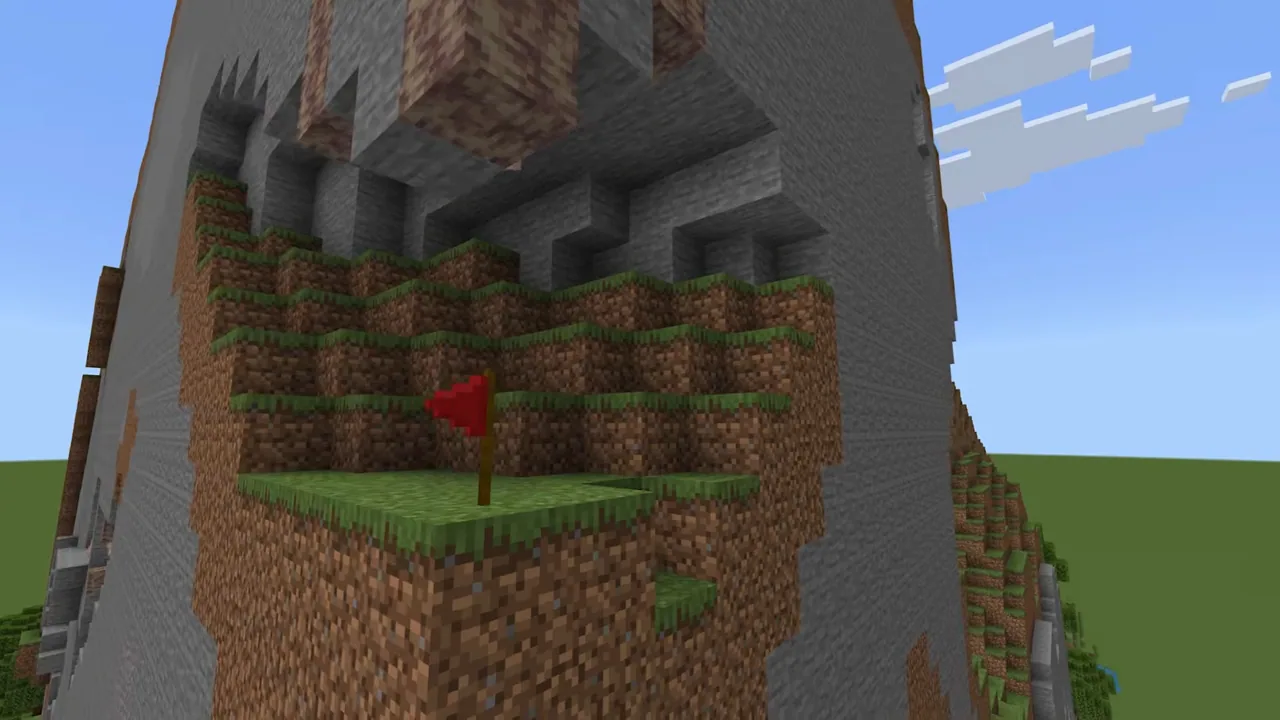
Introduce the challenge rules and explain that a single flag is hidden in the world. Emphasize that the flag changes location each time, meaning memory alone will not work. Set the expectation that the goal is not immediate perfection, but rather gathering baseline information.
- First Velocity Run15 min
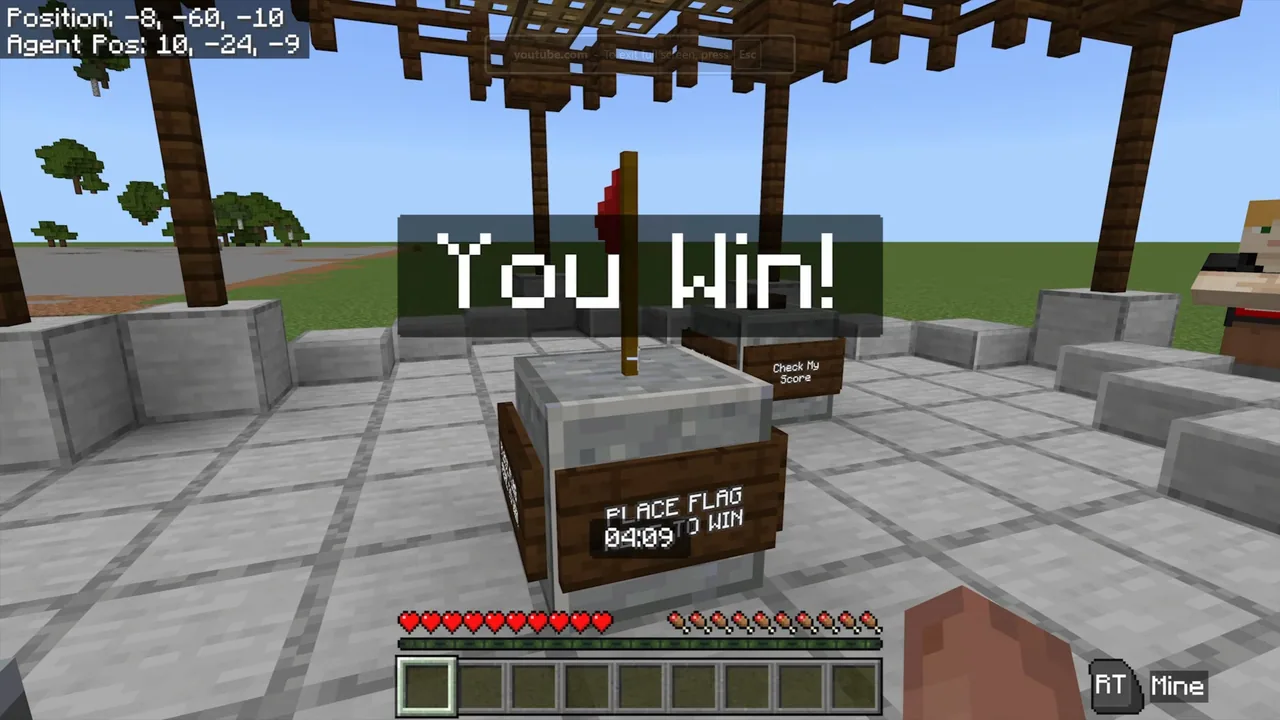
Students launch their first run in the custom world, aiming to locate, retrieve, and bring back the flag. Teachers observe different student styles, noting who explores, who attempts immediate planning, and who moves impulsively without evidence.
- Reflective Analysis10 min
Facilitate a think-pair-share discussion based on the first run. Prompt students with targeted questions:
- What slowed you down during your search?
- What surprised you about the layout or task?
- What element of your initial plan can you convert into sequential steps?
- What single change will you test on the next attempt?
- Second Velocity Run15 min
Students apply their single chosen modification during a second attempt. Whether using manual navigation, strategic routing, or coding and automation tools, learners focus on showing measurable improvement over their baseline run.
- Debrief and Articulation10 min
Conclude with a sharing session where students articulate what they tried, what occurred, and what they changed. Highlight that successful problem solvers explain their thinking rather than solely focusing on the clock.
Video
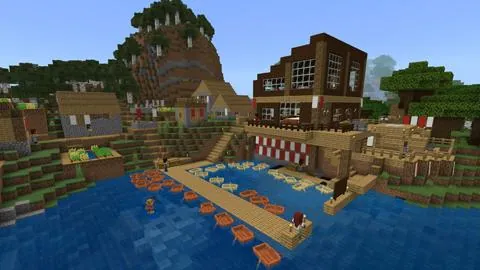
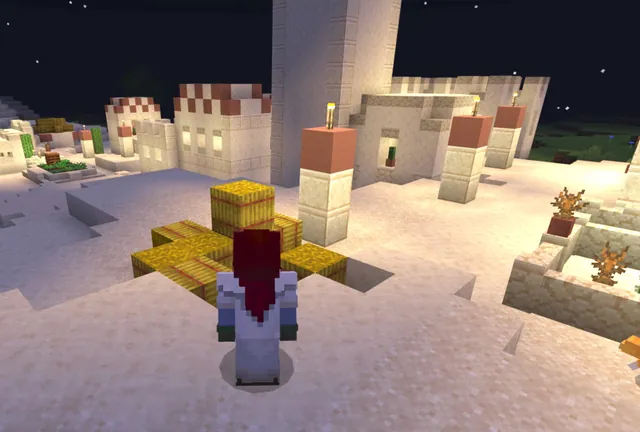
Inside the lesson world
Assessment: success criteria
- Student identifies specific factors that caused delays or surprises in their initial run.
- Student makes a deliberate, observable tactical change between attempt one and attempt two.
- Student demonstrates visible improvement in strategy, execution, or route efficiency.
- Student clearly explains the logic behind their actions rather than relying solely on automated help or unguided speed.
Differentiation
Allow learners to work in pairs to verbalize search patterns and record landmark observations before executing movement.
Encourage experienced students to formulate structured automation or coding routines to optimize navigation and retrieval time.
Knowledge check
5 questions to check understanding after the lesson. Tap an answer to see if it is right; the score appears at the end.
1Why is memorizing a specific route ineffective for finding the flag?
Answer: B. The flag appears in a different location during each attempt, requiring a flexible strategy rather than memorized movement.
2What is the primary objective of the first challenge run?
Answer: B. The initial run acts as an informational baseline rather than a final test of skill, providing data for reflection.
3Which age group is eligible to submit their times to the official competition?
Answer: B. The source specifies that while anyone can play, only students aged 13 to 16 are eligible to submit competition times.
4Which behavior is identified as a common mistake during the activity?
Answer: B. Common pitfalls include restarting without reflection, over-relying on AI, and rushing into the world without a plan.
5How is overall success primarily measured in this lesson?
Answer: C. Success is characterized by demonstrable improvement between attempts and the ability to articulate thought processes, not just raw speed.
Resources
- Lesson package (.zip)Everything the author attached to this lesson in one download.
- Submission GuideVelocity Prize MakeCode Submission Guide
- RulesVelocity Prize Rules
- Student GuideVelocity Prize Student Guide
- PlaybookVelocity Prize Teacher Playbook
- Lesson worldOpens the world page in Minecraft Education (sign-in with a school account may be needed).
Frequently Asked Questions
Can students under 13 still participate in this lesson?
Yes. Any student can participate in the learning experience and run the challenge in class, though only students aged 13 to 16 may submit official times to the competition.
What should I do if a student has an incomplete or slow first run?
An unfinished or slow initial attempt is completely acceptable. Use it as a learning opportunity by asking what surprised them, what slowed them down, and what single change they will test next.
What official materials accompany this challenge?
The activity is supported by a custom downloadable Minecraft world along with a Submission Guide, Rules, Student Guide, and Playbook.
Adapted from Velocity Prize by Minecraft Education on Minecraft Education, last updated Oct 13, 2026. This classroom version, the timings and the quiz were written by 9Minecraft Education.