- Type
- Lesson plan
- Ages
- Ages 3-10
- Includes
- Quiz: 5 questions
How can we use clear verbal communication and teamwork to help our peers build their house designs in Minecraft?
Overview
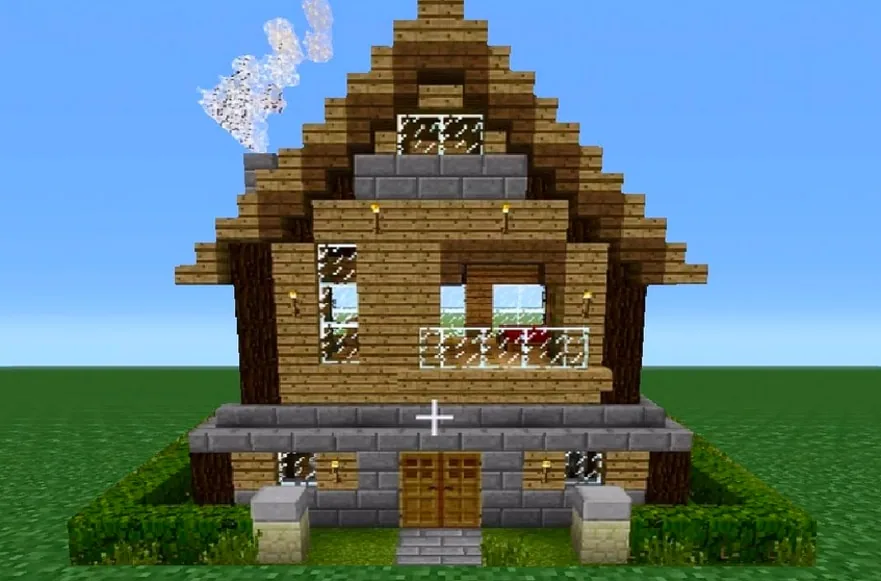
This lesson uses peer teaching and cooperative design to develop digital literacy, verbal communication, and social-emotional skills. Learners begin by creating their own house designs using physical or digital media, then join forces in small groups to help one another bring each member's design to life inside Minecraft.
Working together in a shared Creative flat world, students take turns explaining their blueprints, assigning tasks, and mentoring peers in construction techniques. This setup allows teachers to observe baseline digital skills, communication strategies, and emerging leadership roles as students build together.
Learning objectives
By the end of this lesson students will be able to:
- Design an individual house plan using physical media, manipulatives, or digital drawing tools.
- Collaborate within a small group inside a shared multiplayer world to construct peers' house designs.
- Explain the rationale and reasoning behind chosen structural features to team members.
- Demonstrate supportive peer teaching and inclusive team roles such as leader, contributor, mentor, and follower.
Blocks and items used in this lesson


Key vocabulary
- Flat World
- A world setting that generates smooth, level ground without vegetation or hills that need clearing.
- Creative Mode
- A Minecraft game mode providing unlimited access to all building blocks and items in the inventory.
- Join Code
- A unique code generated by a world host that allows other players on the network to enter that world.
- Blueprint
- A detailed layout or visual plan, often drawn on grid paper, used to guide construction.
Before class
Lesson sequence
- Independent Design Phase
Students work independently to plan their individual home. They can draw blueprints on grid paper, sketch on blank paper, build a model with Lego or other manipulatives, or use a familiar drawing program.
- Team Formation and World Setup
Organize students into flexible teams of three or four. One student in each group hosts a new flat world set to Creative mode and shares the join code with their teammates so everyone can enter the same space.
- Collaborative Peer Building
Sitting together, each student presents their plan and layout to the team, explaining the reasoning behind their design. Teammates then work together in the shared world to help build a house for each member of the group, sharing skills and offering ideas along the way.
- Teacher Observation and Role Assignment
The teacher moves between groups to discuss choices, assess collaboration and building skills, and assign specific group roles if a team needs extra support or structure.
Assessment: success criteria
- Build a house or series of houses collaboratively within a small team.
- Articulate the reasoning and purpose behind specific design features to peers.
- Demonstrate inclusive group work processes by acting as a leader, contributor, mentor, or follower.
- Share Minecraft building knowledge to support teammates facing technical challenges.
Differentiation
Assign clear, structured roles within the group based on individual skill levels, or have three students share a single computer taking turns directing and building.
Have the team collaborate from the start on a single shared house design that all group members could live in together.
Knowledge check
5 questions to check understanding after the lesson. Tap an answer to see if it is right; the score appears at the end.
1Why does the teacher ask students to create a flat world for this activity?
Answer: B. The source notes that a flat world is free from vegetation or structures that would need to be demolished or cleared.
2Which game mode should be selected so that students have all building resources readily available?
Answer: D. Worlds must be started in Creative mode so students automatically have all necessary resources in their inventories.
3Which tool or material is listed as an acceptable option for drafting the initial house design?
Answer: A. The lesson allows pens and paper, grid paper for blueprints, Lego or other manipulatives, or acquainted drawing applications.
4How do team members enter the shared multiplayer world created by their peer?
Answer: C. One student hosts the world and shares the join code with other team members so they can join.
5What is one suggested variation if technology or devices are limited?
Answer: B. A listed lesson variation is to have a team of three work on a single shared computer in a single-player world taking turns to direct and build.
Frequently Asked Questions
What group size works best for this lesson?
The lesson is designed for flexible teams of three or four students working together in a shared world or on a shared device.
What should I demonstrate if my students are new to multiplayer worlds?
You should show students how to log in, how to create and host a multiplayer world, and how to use a join code to connect to a peer's game.
How can I assess students whose building abilities are still developing?
Focus your assessment on communication, turn-taking, and peer collaboration rather than technical mastery, assigning supportive roles as needed.
Adapted from Student as Teacher by Victorian Minecraft Innovators on Minecraft Education, last updated Apr 27, 2021. This classroom version, the timings and the quiz were written by 9Minecraft Education.