How can pausing to reflect on daily tasks help you understand and improve your own learning process?
Overview
Metacognition is the practice of thinking about one's own thinking. Taking time to pause after completing daily learning tasks allows students to step back from the immediate activity and evaluate how they acquire knowledge, solve problems, and make decisions across subject areas like math, economics, government, and art.
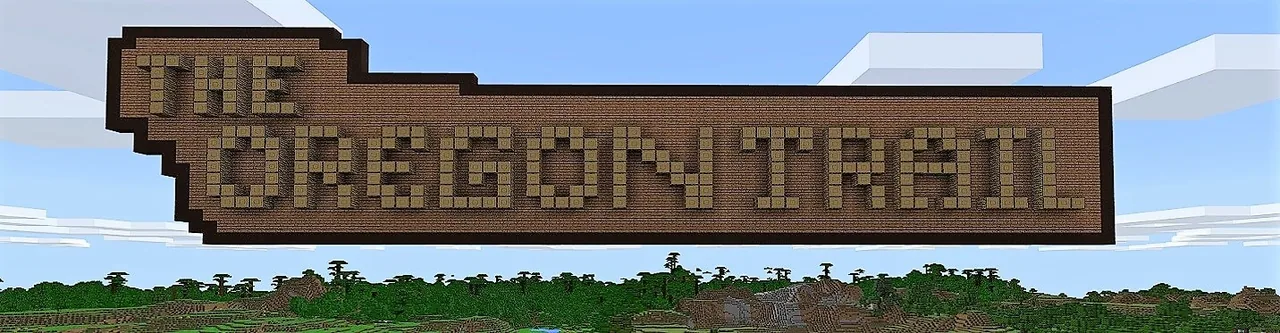
This closing activity provides a structured routine to accompany Oregon Trail sessions. Without requiring an extra downloadable world, learners review their progress, identify obstacles, and articulate personal growth through a guided reflection tool at the end of each work period.
Learning objectives
By the end of this lesson students will be able to:
- Define metacognition as the practice of thinking about one's own thinking.
- Complete a daily reflection guide evaluating personal progress during Oregon Trail activities.
- Communicate learning challenges and strategies using critical thinking.
Blocks and items used in this lesson


Key vocabulary
- Metacognition
- The process of thinking about and understanding one's own thinking and learning strategies.
- Reflection
- The act of pausing to thoughtfully consider what you did, what you learned, and how you performed.
Before class
Lesson sequence
- Introduction to Metacognition
Introduce the concept of metacognition to the class, explaining that thinking about thinking helps everyone become better learners. Explain that at the end of each session, students will pause to evaluate their progress rather than rushing on to the next task.
- Guided Reflection
Distribute the reflection guide after students conclude their Oregon Trail activities. Direct students to work independently to answer the questions, focusing on what they learned, the decisions they made, and how their thinking developed.
- Review and Discussion
Invite volunteers to share selected responses with the class. Use teacher-led questions to explore aspects of learning that might not be on the guide and discuss how to keep monitoring growth in upcoming sessions.
Assessment: success criteria
- Student accurately explains how thinking about their learning helps them improve.
- Student thoroughly completes each section of the reflection guide.
- Student communicates specific examples of their learning progress from the Oregon Trail tasks.
Differentiation
Read the reflection prompts aloud and offer sentence starters to help students articulate their thoughts.
Have advanced students draft their own reflection questions that address gaps they noticed in the standard guide.
Knowledge check
5 questions to check understanding after the lesson. Tap an answer to see if it is right; the score appears at the end.
1What is metacognition?
Answer: B. Metacognition is defined as thinking about thinking and becoming aware of your own learning process.
2When should students complete the reflection guide?
Answer: C. The lesson specifies that students pause and complete the guide at the end of each day's activities.
3What is the primary benefit of pausing at the end of an activity?
Answer: A. Pausing provides learners an opportunity to recognize their learning progress and thinking habits.
4Which two key skills are developed through this reflection lesson?
Answer: D. The source identifies communication and critical thinking as the core skills targeted by the activity.
5What supporting material is utilized by students in this lesson?
Answer: B. The lesson uses a reflection guide to structure student thinking and review.
Resources
Frequently Asked Questions
Does this lesson require a downloadable Minecraft world file?
No, this lesson does not require a downloadable world. It is a metacognitive debrief activity designed to accompany daily Oregon Trail tasks using the reflection guide.
What grade levels or ages is this reflection activity intended for?
This activity is designed for all ages, as metacognitive reflection can be adjusted with verbal prompts or written responses to suit any developmental stage.
Adapted from Reflection activity by Minecraft Education on Minecraft Education, last updated Sep 19, 2017. This classroom version, the timings and the quiz were written by 9Minecraft Education.