- Type
- Lesson plan
- Subject
- AI & Digital Citizenship
- Topics
- Digital Literacy
- Ages
- Ages 3-10
- Includes
- Quiz: 5 questionsMinecraft world
What makes a responsible digital citizen?
Overview
Learning how to act respectfully, legally, and safely in collaborative online spaces is an essential life skill for young learners. This lesson introduces foundational concepts of digital citizenship, focusing on treating peers with respect, honoring copyright, maintaining a safe digital footprint, and communicating positively.
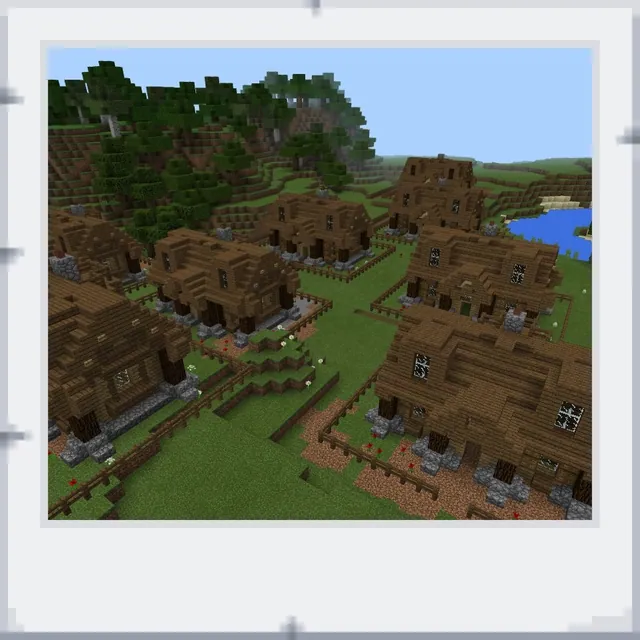
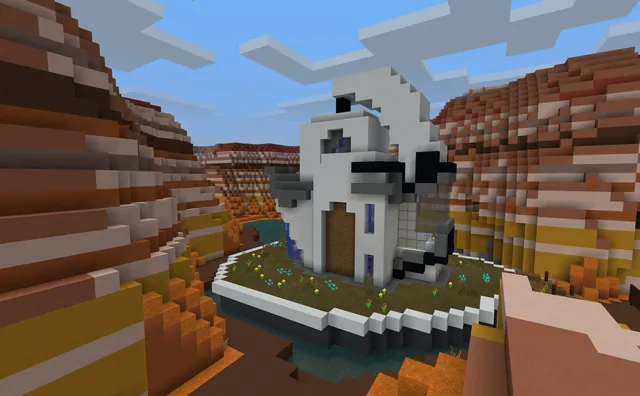
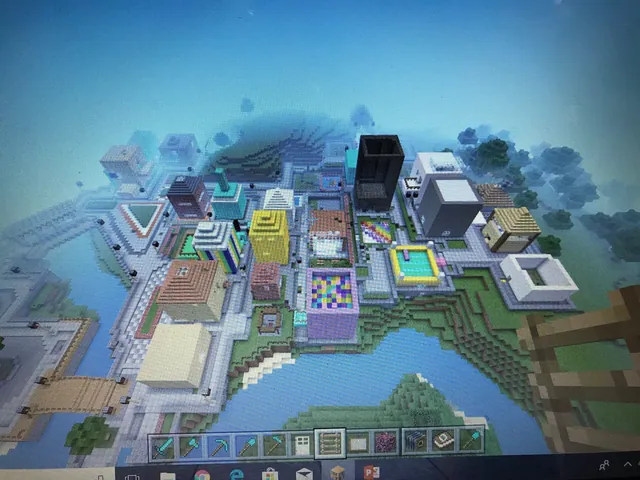
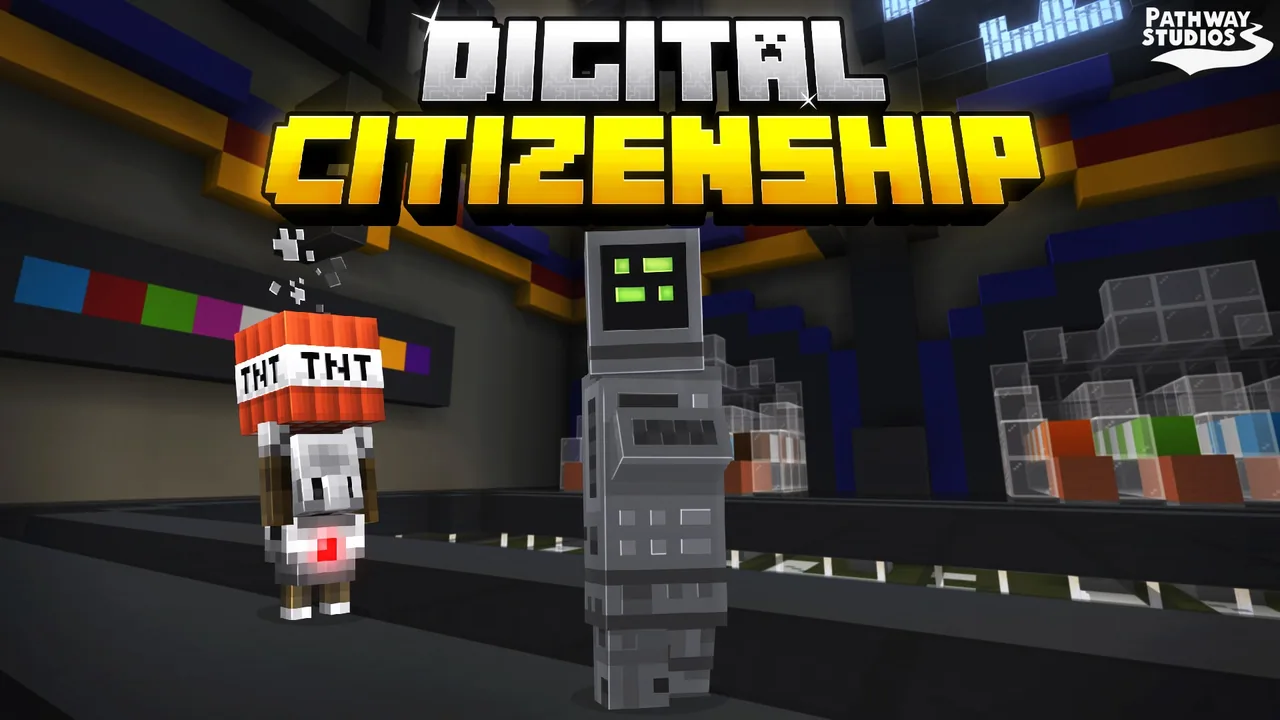
Using a dedicated Minecraft world, learners meet an in-game guide named @sysadmin and investigate four key portals covering harassment, media literacy, digital theft, and sharing. Within each area, students engage in hands-on activities, document their observations in reflection rooms, and conclude by reviewing and signing a class social contract.
Learning objectives
By the end of this lesson students will be able to:
- Identify core behaviors of a responsible digital citizen, including respect for others and constructive communication.
- Investigate digital citizenship themes across four in-game areas: harassment, media literacy, digital theft, and sharing.
- Record personal reflections and observations within in-game reflection spaces.
- Commit to safe and ethical online behaviors by reviewing and signing a social contract.
Blocks and items used in this lesson


Key vocabulary
- Griefing
- Deliberately irritating or angering another player by ruining or building over their creations.
- Troll
- A player who intentionally provokes arguments or upsets others in chat.
- Collaboration
- Working together with other people to achieve a shared goal.
- NPC
- A non-playable character in the game that cannot be controlled by a player.
- Digital Footprint
- A trail and record of everything a person does online.
- Agent
- A programmable companion character unique to Minecraft Education that runs coded commands.
Before class
Lesson sequence
- Introduction with @sysadmin
Students log into the world and speak to @sysadmin. The character explains that digital citizenship involves awareness of online actions, knowing what is safe to post, and remembering that another real person is on the other side of the screen.
- Portal Exploration
Students freely select and enter the four portals in any order: harassment, media literacy, digital theft, and sharing. Students engage with the activities set up in each zone to explore the corresponding theme.
- In-Game Reflection
After completing tasks in each portal, students visit the designated reflection rooms to record their thoughts and observations about the behaviors they examined.
- Discussion and Social Contract
Students publish their thoughts on a class blog or shared document. The teacher leads a discussion through the social contracts, and learners sign them to pledge responsible digital behavior.
Assessment: success criteria
- Student identifies behaviors that demonstrate respect and positive communication in digital environments.
- Student writes observations inside the in-game reflection rooms for the visited portals.
- Student submits an individual reflection via a class document or blog.
- Student demonstrates understanding of the expectations outlined in the social contract.
Differentiation
Allow students to pair up to navigate the portals and talk through their reflection answers before writing them down.
Have students write an extended response on the class blog explaining practical steps peers can take when they encounter a troll or griefing.
Knowledge check
5 questions to check understanding after the lesson. Tap an answer to see if it is right; the score appears at the end.
1Which character introduces the digital citizenship journey to players?
Answer: B. The lesson starts with students meeting the in-game guide @sysadmin.
2What does the term 'griefing' mean in a multiplayer environment?
Answer: C. Griefing is intentionally angering another player by altering or damaging areas they own.
3Which set contains the four portal themes found in this lesson?
Answer: A. The source identifies the four portals as harassment, media literacy, digital theft, and sharing.
4What is a digital footprint?
Answer: D. The vocabulary defines a digital footprint as a record of everything a user does online.
5How do students formalize their commitment to being good digital citizens at the end of the lesson?
Answer: B. Students conclude the lesson by discussing, signing, and modeling the expectations in the social contract.
Resources
Frequently Asked Questions
Do students need to visit the portals in a specific sequence?
No, the four portals can be explored in any order based on student interest or teacher preference.
What role does the reflection room serve in each portal?
Each portal includes a reflection room where students write down their observations immediately after finishing the interactive activities.
Where do students share their final reflections outside the game?
Students can share their individual thoughts through a class document or a dedicated class blog as directed by the teacher.
Adapted from Digital Citizenship by ReWrite Education on Minecraft Education, last updated Mar 20, 2024. This classroom version, the timings and the quiz were written by 9Minecraft Education.