- Type
- Lesson plan
- Ages
- Ages 8-13
- Skills
- CommunicationCreativity
How do narrative conflicts drive plot progression, and how can world-building help us envision resolutions?
Overview
Stories rely on conflict to propel action, test characters, and engage audiences. By analyzing how internal and external obstacles disrupt balance, learners discover how narrative tension functions and how thoughtful resolutions can be crafted.
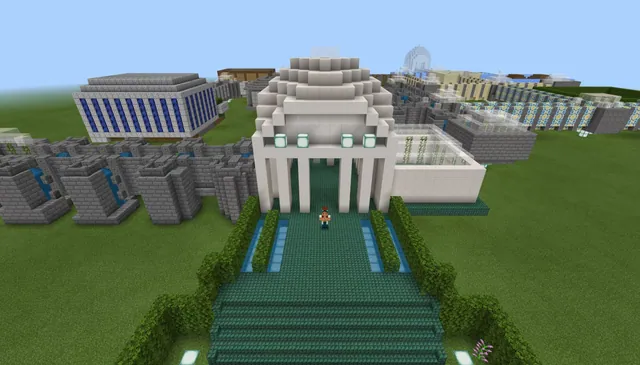
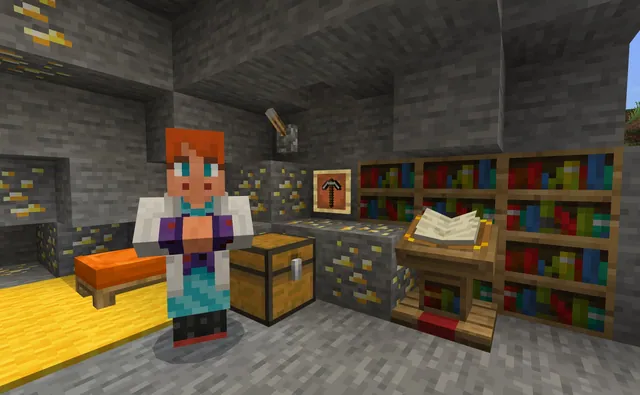
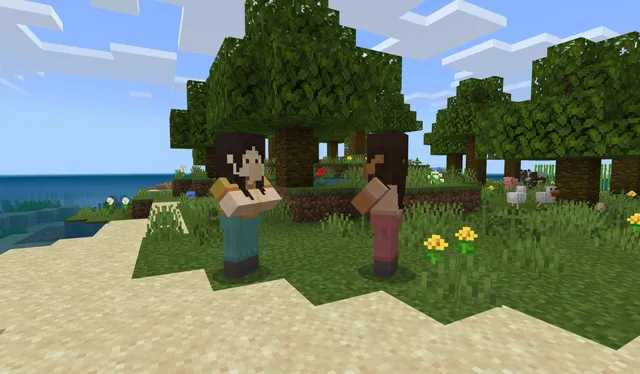
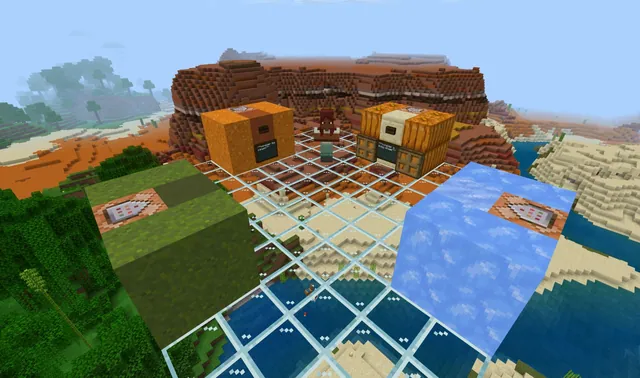
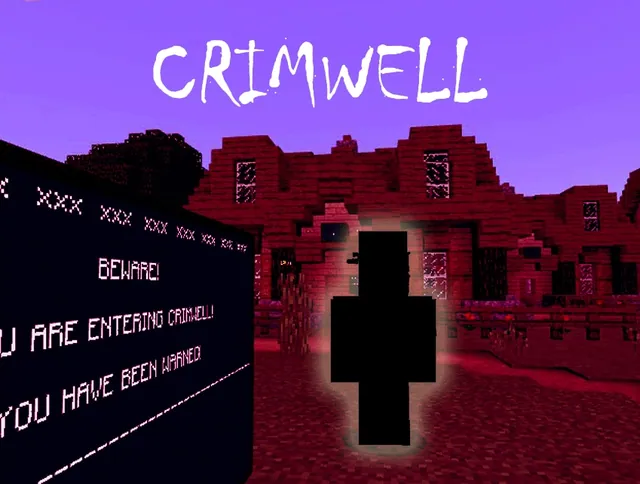
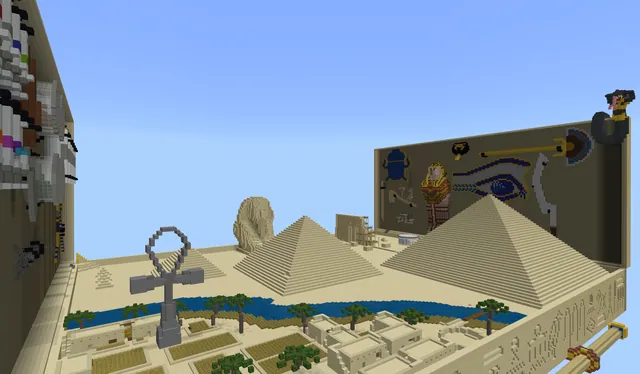
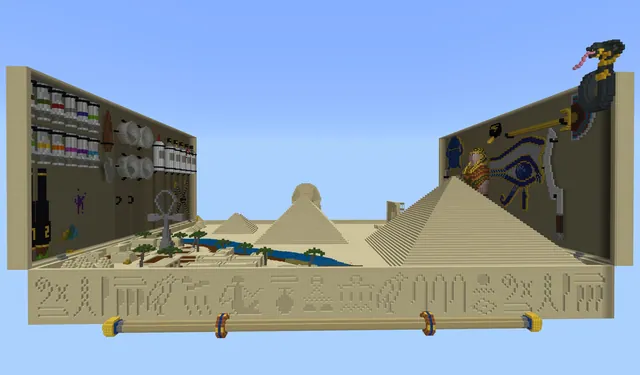
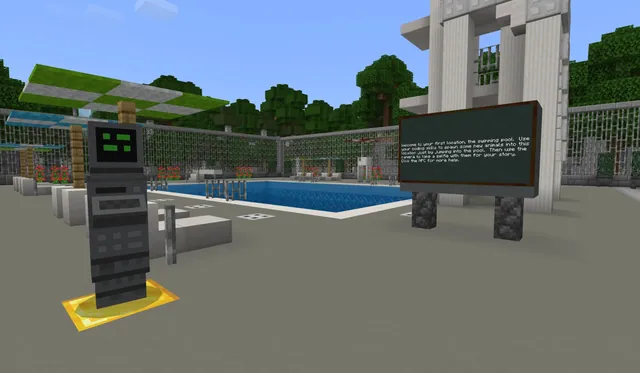
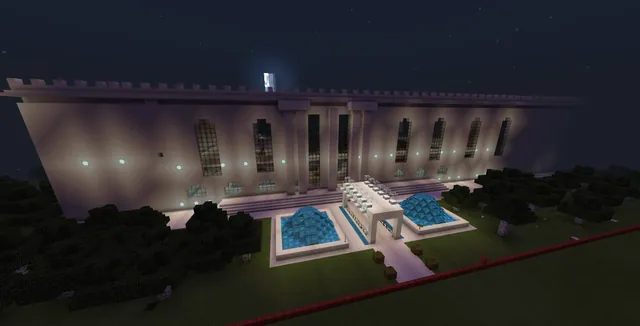
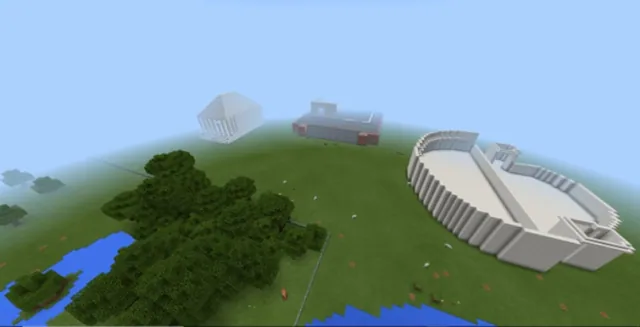
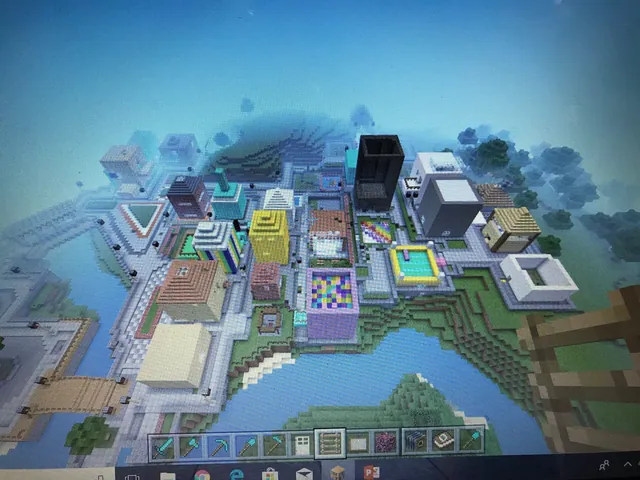
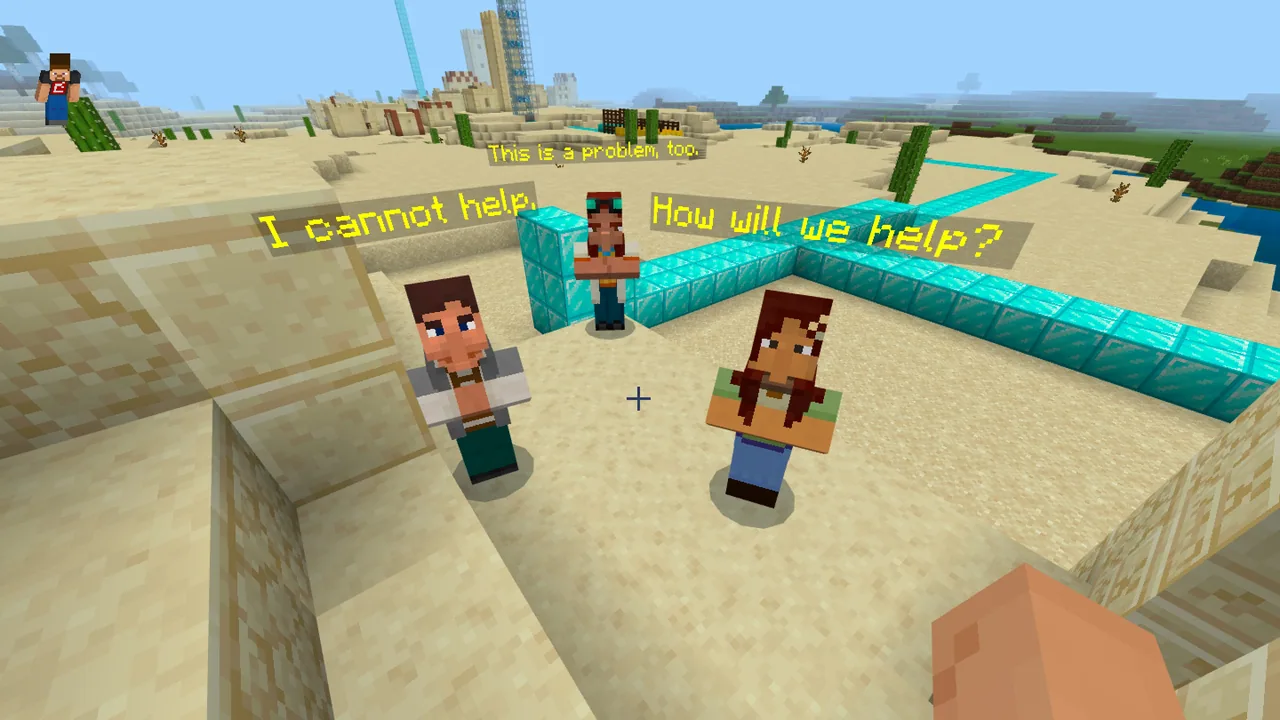
Using a dedicated Minecraft environment, learners investigate stations demonstrating distinct conflict types, such as character versus nature and character versus character. They then apply digital world-building tools to design structures and narrative scenes that depict story resolutions or present new complications.
Learning objectives
By the end of this lesson students will be able to:
- Identify character-versus-nature and character-versus-character tensions in an interactive setting.
- Record descriptive notes detailing observed narrative dilemmas across multiple stations.
- Formulate written story concepts that offer plausible resolutions to established disputes.
- Construct in-game modifications to illustrate story outcomes or additional plot challenges.
Blocks and items used in this lesson


Key vocabulary
- Conflict
- A struggle or disagreement between opposing forces that drives the plot of a story.
- Resolution
- The way a conflict or problem in a story is solved or concluded.
- Character vs. Nature
- A struggle where a character faces challenges caused by environmental forces or the natural world.
- Character vs. Character
- A narrative conflict where two or more individuals have opposing goals, beliefs, or actions.
Before class
Lesson sequence
- Introduction to Story Conflict
Introduce the fundamental concept of conflict in storytelling. Discuss how challenges motivate characters to act and how resolving those dilemmas provides satisfying conclusions for readers.
- Station Exploration and Note-Taking
Direct students to tour the first two stations in the world. Learners record observations regarding a character-versus-nature dilemma and a character-versus-character scenario before proceeding to the third reflection station.
- Resolution Building and World Revision
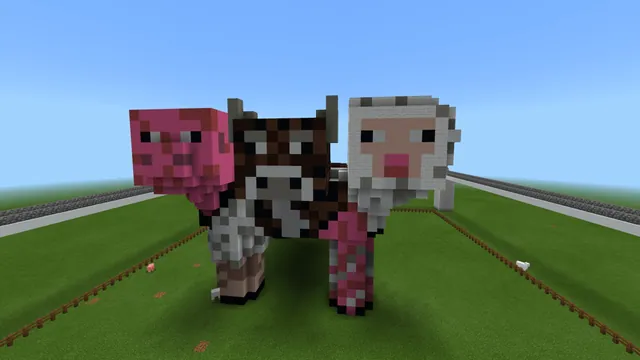
Students use creative building to physically modify the environment. They may construct structures that visually present resolutions to the problems they witnessed or build new scenarios that introduce further narrative conflicts.
- Story Sharing and Reflection
Learners present their completed builds and explain their narrative concepts. Conclude with a class reflection on how physical spaces and stories help us explore solutions to real and imagined problems.
Assessment: success criteria
- Notes clearly distinguish between character-versus-nature and character-versus-character conflicts.
- Story proposals describe logical, creative resolutions to observed problems.
- In-game build revisions accurately represent an intended conflict or proposed resolution.
- Learner contributions articulate how conflict functions as the main driver of plot.
Differentiation
Provide sentence starters and guided recording prompts at each station to help learners describe the narrative tensions they observe.
Encourage advanced learners to construct a multi-part environment showing both a resolution and an unexpected secondary conflict that arises from it.
Knowledge check
5 questions to check understanding after the lesson. Tap an answer to see if it is right; the score appears at the end.
1What is the primary role of conflict within a story?
Answer: B. Conflict serves as the engine of narrative by creating challenges that characters must act to overcome.
2Which scenario best describes a character-versus-nature conflict?
Answer: C. Battling harsh weather or natural elements represents a classic character-versus-nature dilemma.
3What task do learners complete at the first two in-game stations?
Answer: C. The lesson specifies taking notes on the conflicts seen at the first two stations before reflecting at the third.
4How do students use Minecraft world-building in this lesson?
Answer: B. Learners revise the world to visually demonstrate story endings, solutions, or new conflicts.
5What happens when a narrative conflict reaches its resolution?
Answer: D. A resolution wraps up narrative tension by solving the problem or concluding the conflict.
Resources
Part of the Creative Writing curriculum
This is lesson 3 of 10 in Creative Writing.
- 6 Room Poem Maze
- Characters All Around
- Conflict in Stories
- Diving for Dialogue
- Exquisite Corpse
- Narrative in Perspective
- Setting in Narrative Writing
- Settings for Stories
- This I Believe
- Where I’m From
Frequently Asked Questions
Can students work collaboratively on the building stage?
Yes, pairs can coordinate to build complex scenes where one partner constructs the conflict and the other models the corresponding resolution.
What building options are available if learners finish resolving one conflict quickly?
Students who finish early can modify the world to illustrate an entirely new conflict stemming from their initial resolution.
Adapted from Conflict in Stories by NWP Network on Minecraft Education, last updated Jun 6, 2022. This classroom version, the timings and the quiz were written by 9Minecraft Education.