- Type
- Lesson plan
- Ages
- Ages 8-13
- Skills
- CommunicationCreativity
How can exploring mentor poetry and sensory details help us write and build vivid descriptions?
Overview
Inspired by Georgia Heard's work in Awakening the Heart, this lesson guides students through the process of building vivid descriptive language. By studying mentor poems, learners discover how close reading of professional writing helps develop craft, sensory details, and intentional revision strategies.
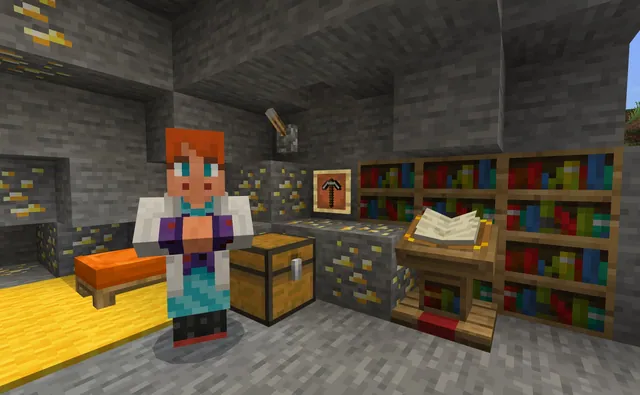
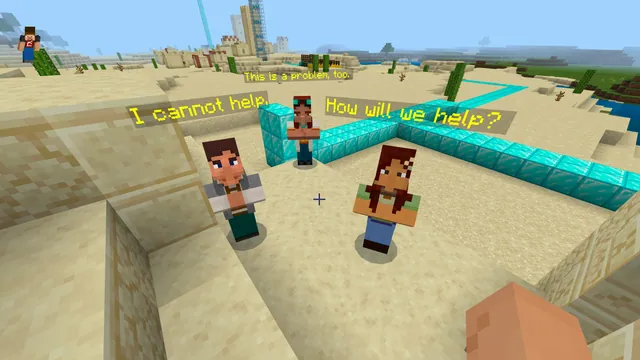
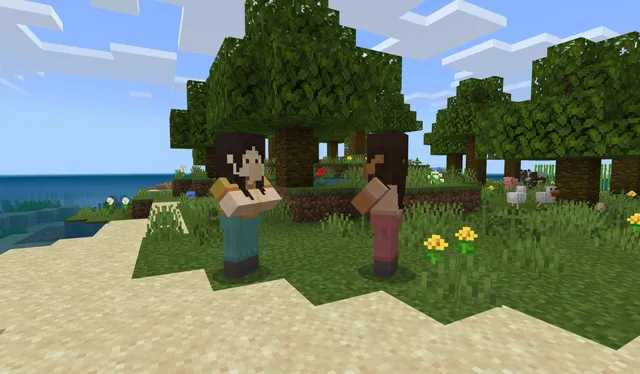
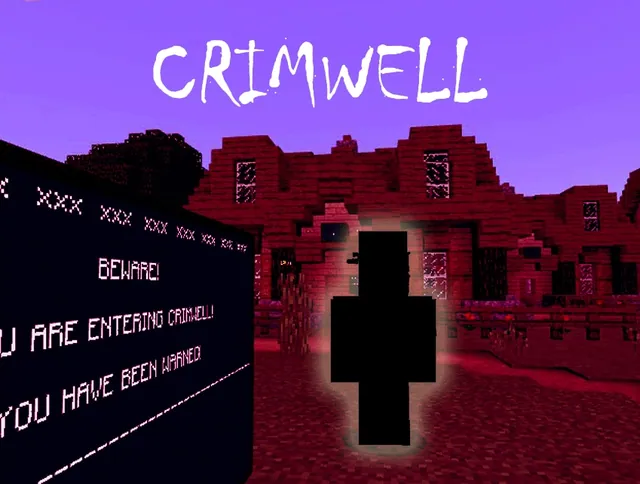
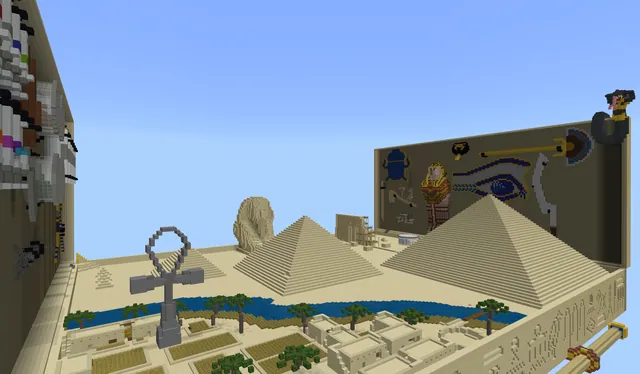
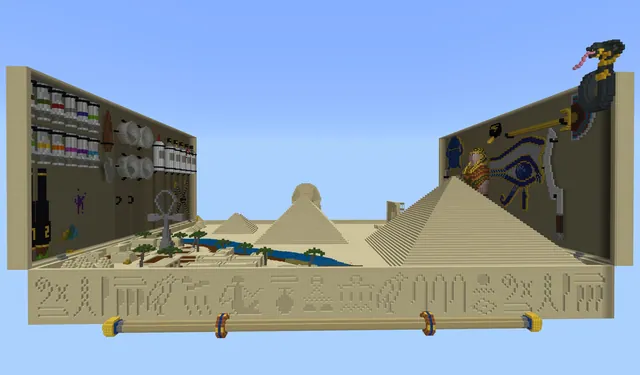
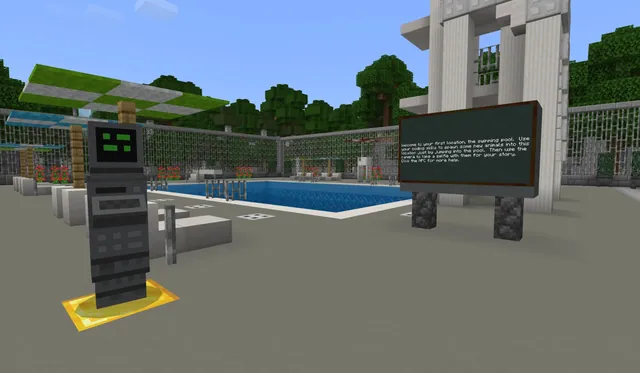
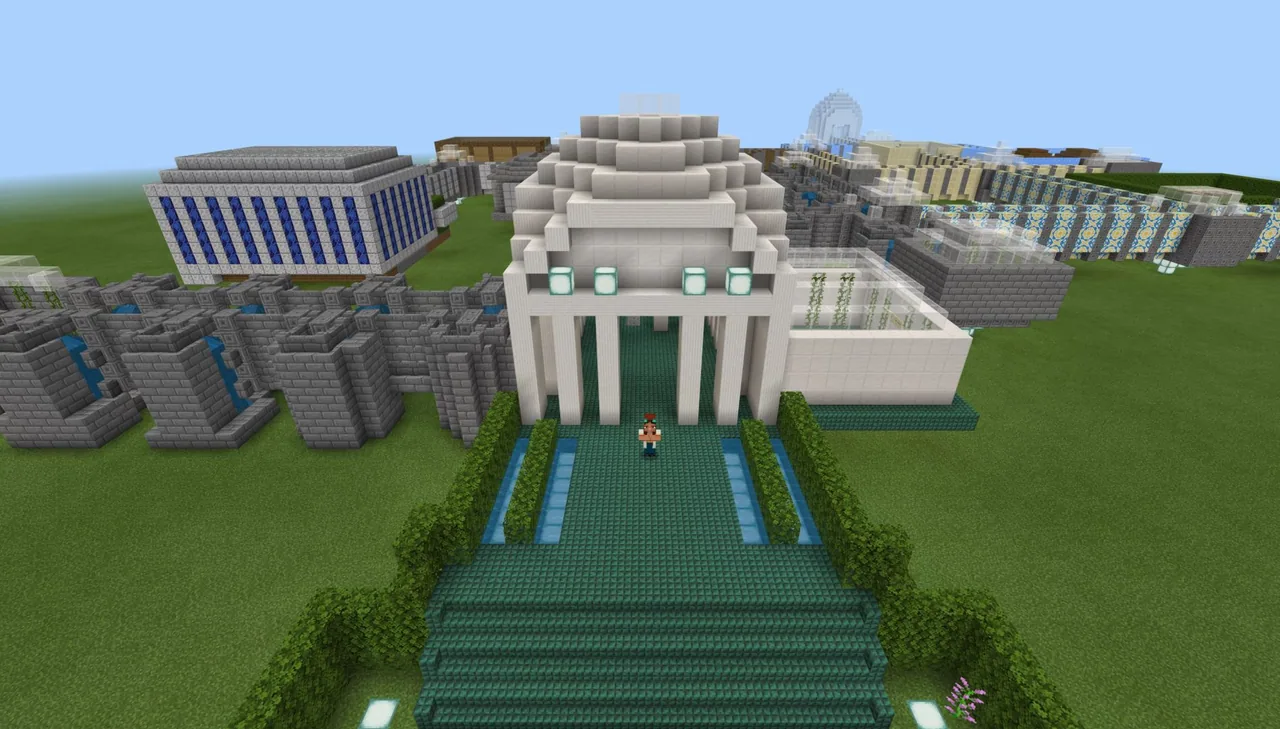
Students navigate a custom maze in Minecraft containing six distinct rooms. In each space, they consult non-player characters, read mentor poems, practice focused descriptive techniques in their notes, and conclude by writing original poetry or building creative descriptions in-game.
Learning objectives
By the end of this lesson students will be able to:
- Identify a specific object or image to serve as the subject for descriptive writing.
- Analyze mentor poems presented by in-game characters to identify descriptive techniques.
- Incorporate sensory details, questions, and repetition into writing notes.
- Compose an original descriptive poem or construct a creative in-game build based on the maze.
Blocks and items used in this lesson


Key vocabulary
- Sensory Details
- Descriptive words that appeal to the senses of sight, sound, smell, taste, or touch.
- Mentor Text
- An example of published writing studied to learn craft moves and techniques.
- Revision
- The process of rereading and changing writing to strengthen ideas and description.
Before class
Lesson sequence
- Topic Selection and Introduction
Discuss with students how reading published poetry closely can inspire writing craft. Direct each student to choose a specific object or image from a work in progress or as the subject of a new piece.
- Maze Exploration and Mentor Texts
Students enter the Six Poem Room maze and search for each of the six rooms. When they reach a room, they interact with non-player characters (NPCs) to read mentor poems demonstrating a specific descriptive technique.
- Sensory Note-Taking
In response to in-game prompts, students record notes on their chosen object or image. They apply the room's technique by generating sensory details and testing revision strategies such as questions and repetition.
- Creative Composing and Building
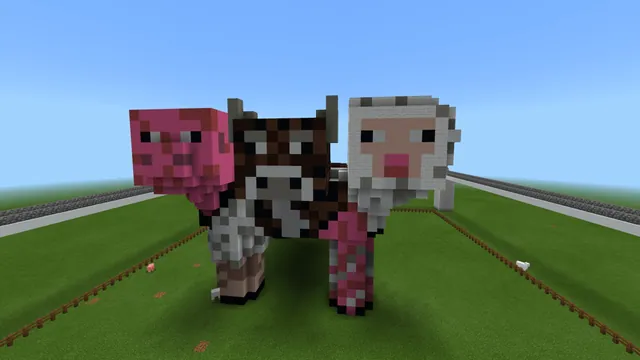
After completing all six rooms and practicing the techniques, students synthesize their work. They either write a descriptive poem or build an in-game creative scene inspired by their maze experience.
Assessment: success criteria
- Student notes show active practice with all six descriptive techniques.
- Student writing demonstrates the use of mentor poems to inform descriptive choices.
- Final submission includes a completed descriptive poem or an in-game creative build.
Differentiation
Allow students to navigate the maze in pairs so they can read NPC mentor texts aloud together before drafting notes.
Have advanced students produce both a full written poem and an accompanying in-game build that showcases their sensory details.
Knowledge check
5 questions to check understanding after the lesson. Tap an answer to see if it is right; the score appears at the end.
1Which book served as the inspiration for the six-room poetry concept in this lesson?
Answer: A. The source explicitly states the lesson was inspired by From Awakening the Heart, by Georgia Heard.
2What do students interact with inside each maze room to read mentor text poems?
Answer: B. The source notes that students encounter non-player characters (NPCs) who prompt them to read mentor poems.
3What should students select before they begin exploring the maze?
Answer: C. Teacher preparation specifies asking students to identify an object or image for description from existing or new work.
4What are students invited to do after visiting all six rooms and practicing the techniques?
Answer: D. According to the source, students can write poems or build creative descriptions in the game inspired by the maze.
5Which two techniques are highlighted in the guiding ideas as ways to support effective revision?
Answer: C. A guiding idea asks how the use of questions and repetition might lead to effective revision.
Resources
- Lesson package (.zip)Everything the author attached to this lesson in one download.
- Six Poem RoomSix Poem Room MCworld file.
- Lesson worldOpens the world page in Minecraft Education (sign-in with a school account may be needed).
Part of the Creative Writing curriculum
This is lesson 1 of 10 in Creative Writing.
- 6 Room Poem Maze
- Characters All Around
- Conflict in Stories
- Diving for Dialogue
- Exquisite Corpse
- Narrative in Perspective
- Setting in Narrative Writing
- Settings for Stories
- This I Believe
- Where I’m From
Frequently Asked Questions
What world file is required to run this lesson?
This activity uses the downloadable Six Poem Room world file designed for Minecraft Education.
Do students need to write a brand-new piece of writing for this activity?
No. Students can apply the maze prompts to an image or object from a piece of writing already in progress, or they can start a new work.
Adapted from 6 Room Poem Maze by NWP Network on Minecraft Education, last updated Oct 22, 2021. This classroom version, the timings and the quiz were written by 9Minecraft Education.