- Type
- Lesson plan
- Grade
- Primary (Grades 3-5)
- Ages
- Ages 8-10
- Duration
- 1 hour
- Level
- Beginner
How do predator and prey interactions shape an animal's chances of survival in different biomes?
Overview
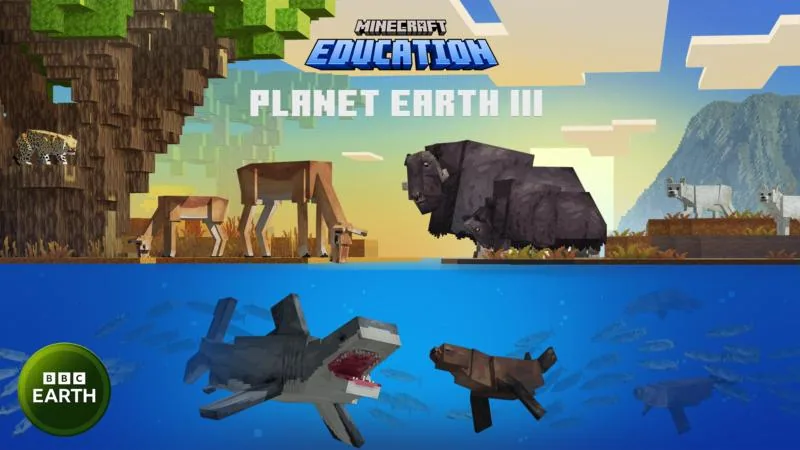
Inspired by the BBC Planet Earth III series, this lesson introduces learners to animal survival strategies and ecosystem relationships. Students examine how life in diverse environments—from frozen Arctic tundra to river deltas—relies on delicate interactions between species and their surroundings.Learning objectives
By the end of this lesson students will be able to:
- Identify key survival challenges faced by animals in diverse habitats like the Arctic tundra and Okavango Delta.
- Describe the interconnected roles of predators and prey through active role-play.
- Explain how parenting, cooperation, and conflict influence species survival in nature.
Blocks and items used in this lesson


Key vocabulary
- Predator
- An animal that hunts and feeds on other animals.
- Prey
- An animal that is hunted and eaten by other animals.
- Tundra
- A cold, treeless biome characterized by freezing temperatures and sparse vegetation.
- Ecosystem
- A biological community of interacting organisms and their physical environment.
Before class
Lesson sequence
Suggested timing: about 60 minutes in total.
- Introduction and Discussion10 min
Introduce the lesson themes of predator versus prey and parent versus offspring. Discuss what challenges animals might encounter in extreme environments such as the Arctic tundra.
- Arctic Tundra Investigation20 min
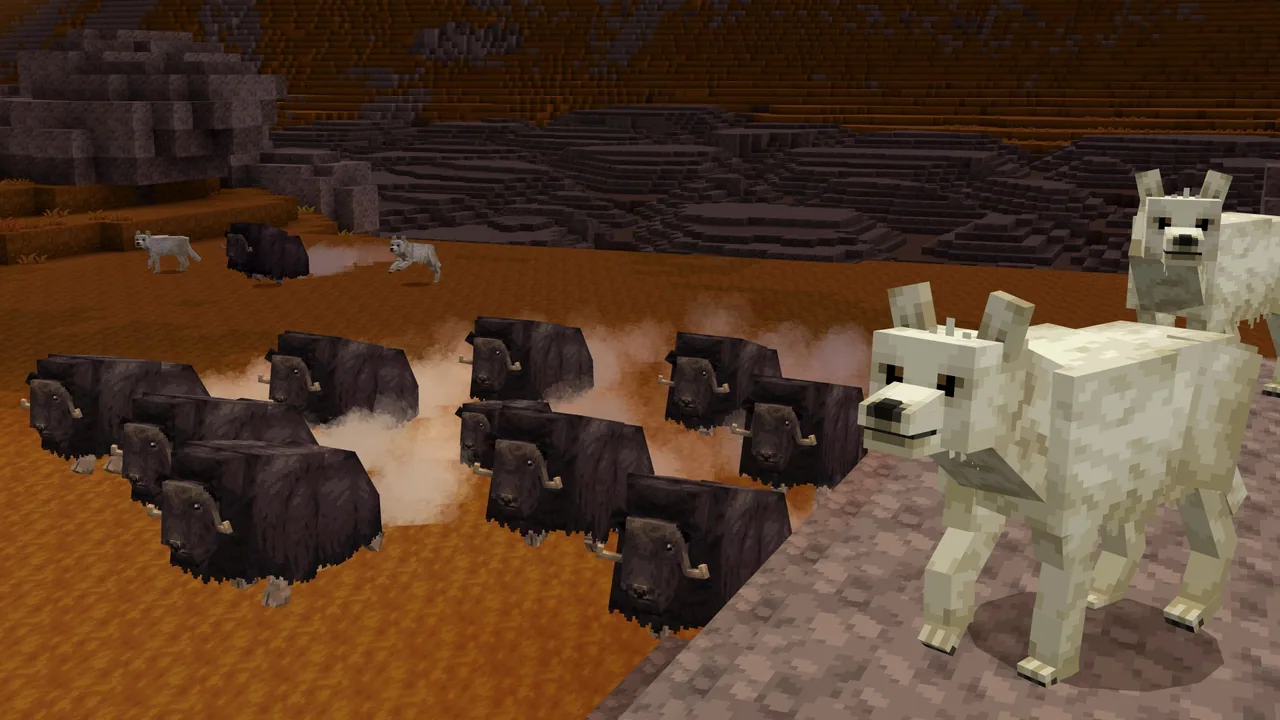
Have students step into the roles of Arctic animals, such as the musk ox and the Arctic wolf. Students observe how these species interact and balance defense with hunting to survive harsh conditions.
- Delta and Ocean Exploration20 min
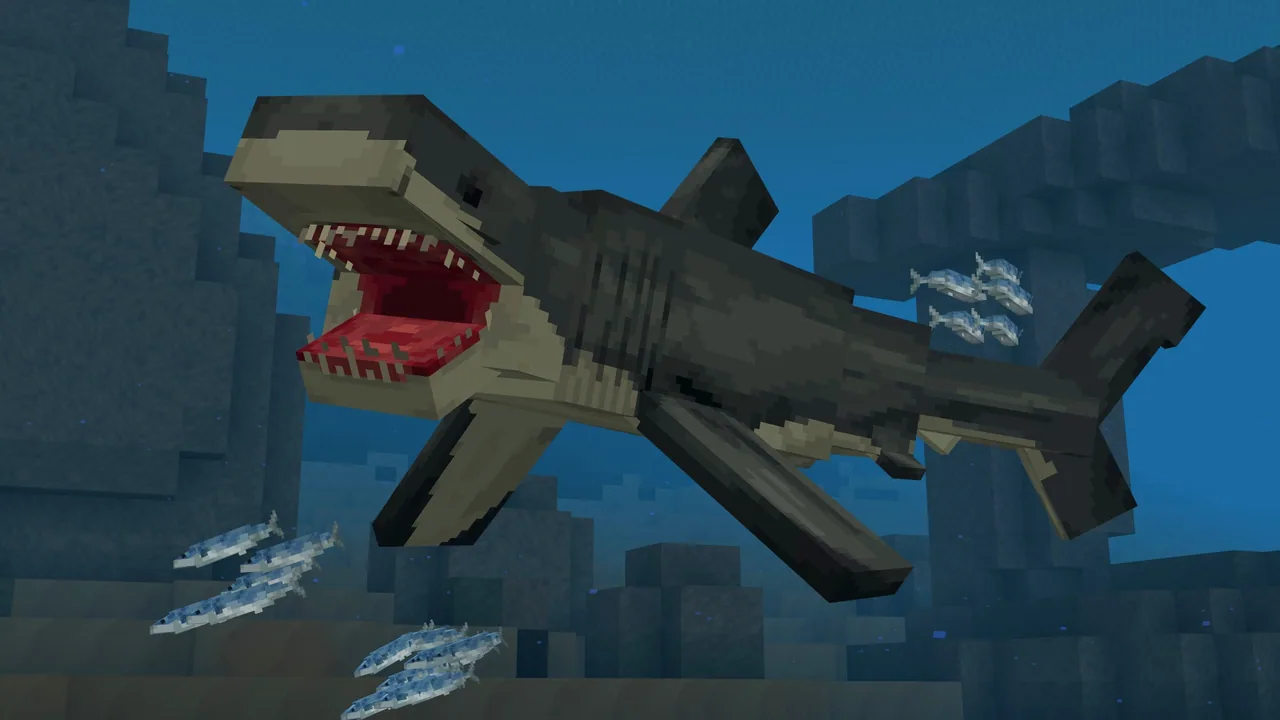
Guide learners to explore additional habitats, including coastal waters and the Okavango Delta. Students role-play relationships such as the Cape fur seal and the great white shark to examine marine survival tactics.
- Reflect and Share10 min
Gather the class to discuss their experiences from both viewpoints—predator and prey. Ask students to share how cooperation or competition helped their animals stay alive.
Inside the lesson world
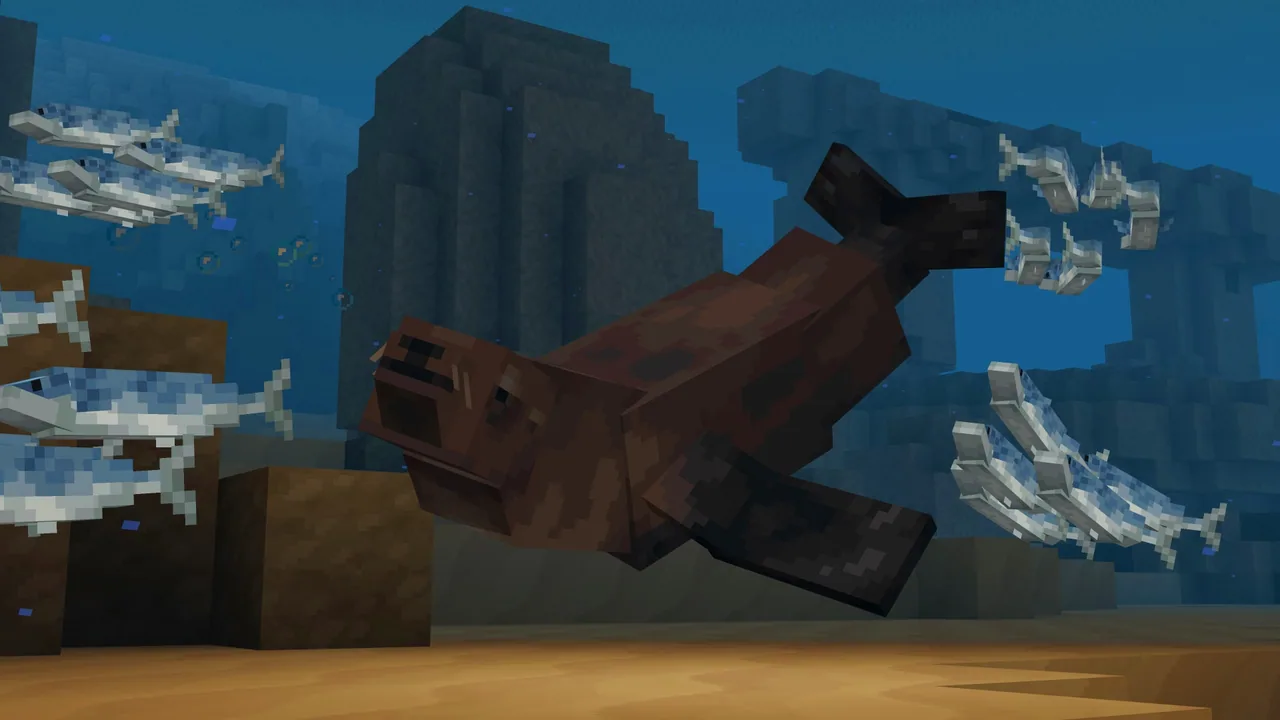
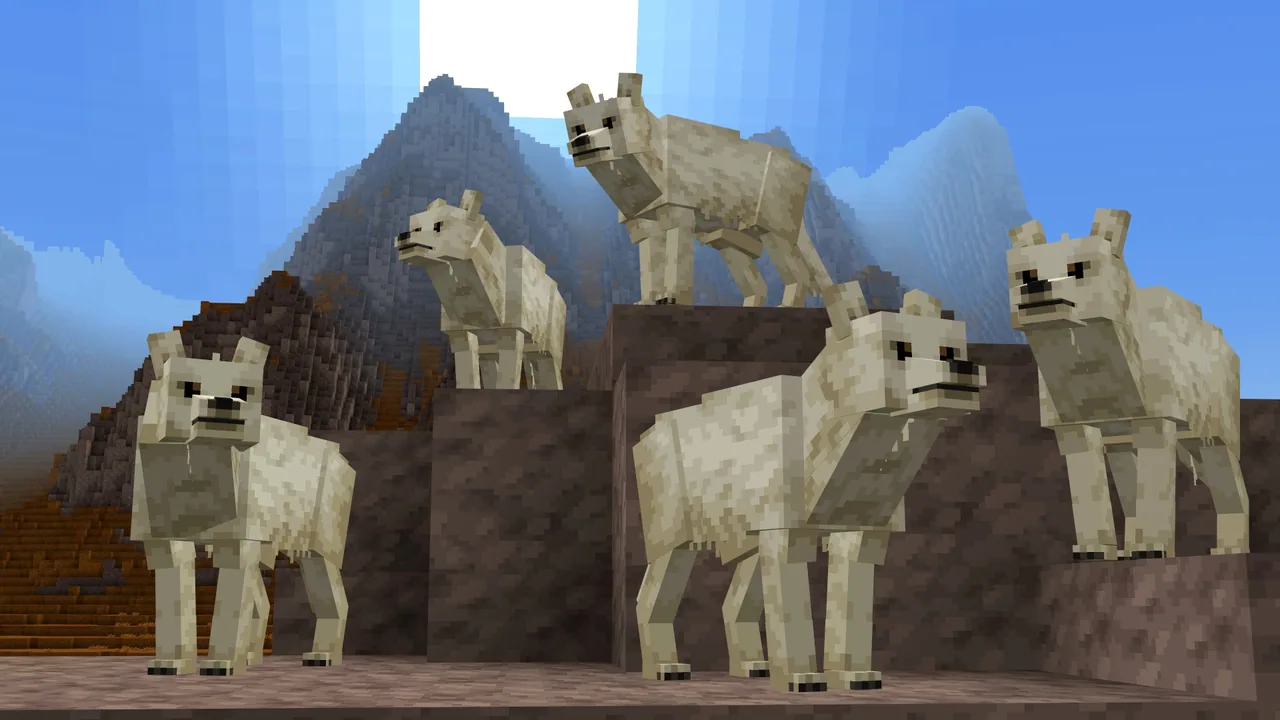
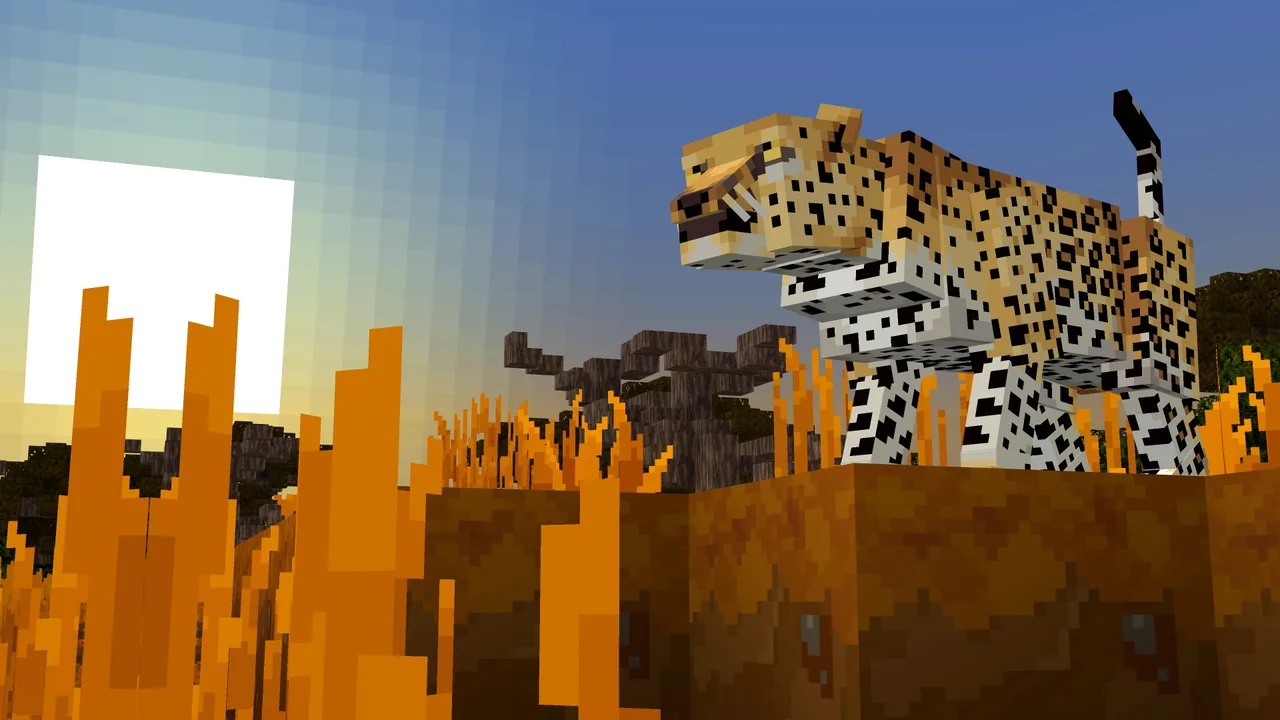
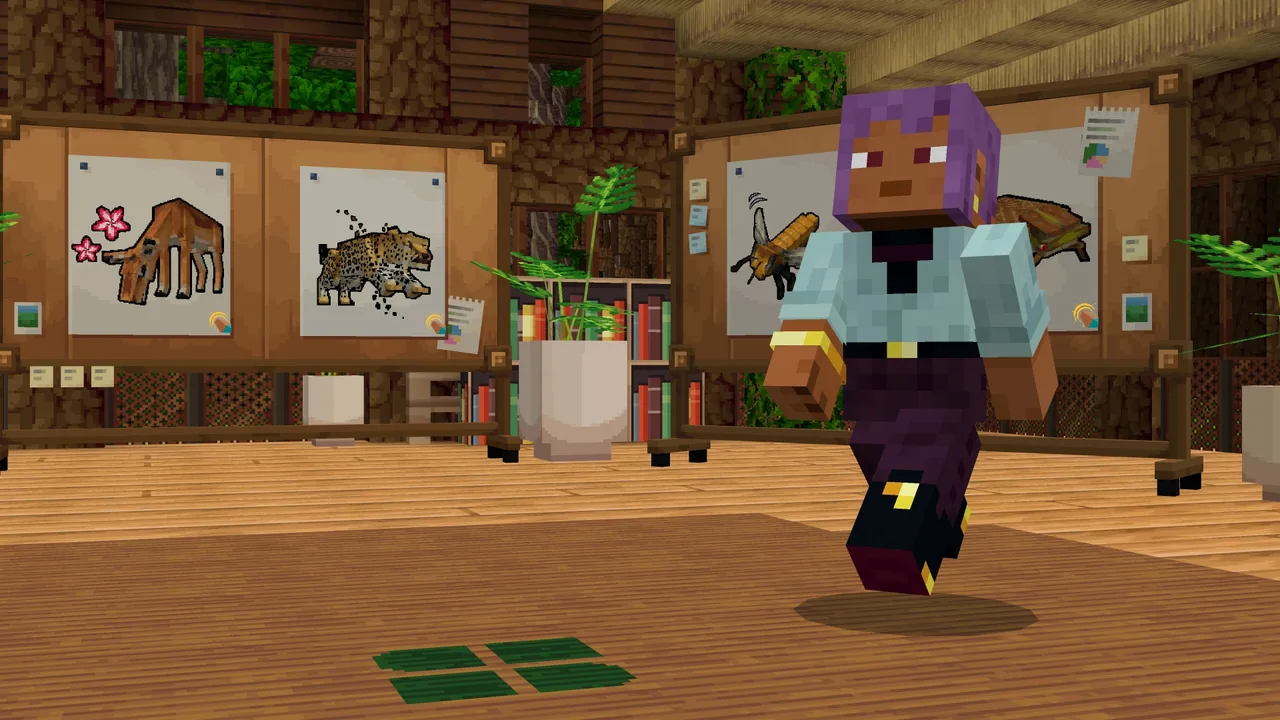
Assessment: success criteria
- Student can name at least two predator-prey pairings featured in the lesson.
- Student accurately explains how an animal adapts its behavior to survive as either a hunter or hunted species.
- Student participates constructively in group reflections regarding the balance of natural ecosystems.
Differentiation
Pair students together so they can talk through animal choices and behaviors during navigation.
Have students write a short journal entry from the perspective of an animal describing a typical day of avoiding predators or hunting.
Knowledge check
5 questions to check understanding after the lesson. Tap an answer to see if it is right; the score appears at the end.
1Which pair of animals represents an Arctic predator and prey relationship featured in the lesson?
Answer: B. The musk ox and Arctic wolf are specifically identified in the lesson as Arctic species.
2Which marine predator is highlighted alongside the Cape fur seal?
Answer: A. The source identifies the Cape fur seal and the great white shark as featured animals.
3Which location mentioned in the lesson is an African wetland environment?
Answer: C. The Okavango Delta is one of the specific exploration locations listed in the source.
4What core perspective shift do students experience during this lesson?
Answer: D. The lesson specifically has students experience interconnected survival by playing both predator and prey, parent and child.
5Which media production inspired this Minecraft Education content?
Answer: B. The lesson collection is directly inspired by BBC Studios' Planet Earth III series.
Resources
Frequently Asked Questions
Is a separate world file download required for this lesson?
No, the resource listing indicates there is no downloadable world file, as the activities are accessed directly through the in-game Planet Earth III lesson collection.
What age group is this lesson intended for?
This material is designed for beginner students between the ages of 8 and 10.
Adapted from Planet Earth III Lesson Collection by Minecraft Education on Minecraft Education, last updated Sep 29, 2025. This classroom version, the timings and the quiz were written by 9Minecraft Education.