- Type
- Lesson plan
- Grade
- Primary (Grades 3-5)
- Ages
- Ages 8-10
- Skills
- Creativity
- Includes
- Quiz: 5 questionsLesson files
How can we use descriptive language, functional design, and creative building to pitch an original confectionery invention?
Overview
Inspired by Roald Dahl's Charlie and the Chocolate Factory, this cross-curricular lesson invites pupils to become confectionery inventors applying for a role in Willy Wonka's factory. Learners analyze how inventive names and persuasive language capture attention, then collaborate to design a sweet that delivers a unique surprise or performs a distinct function, complete with tailored packaging and a punchy sales pitch.
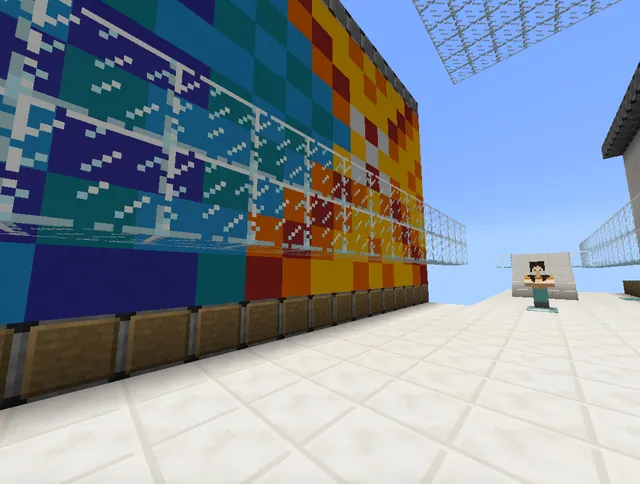
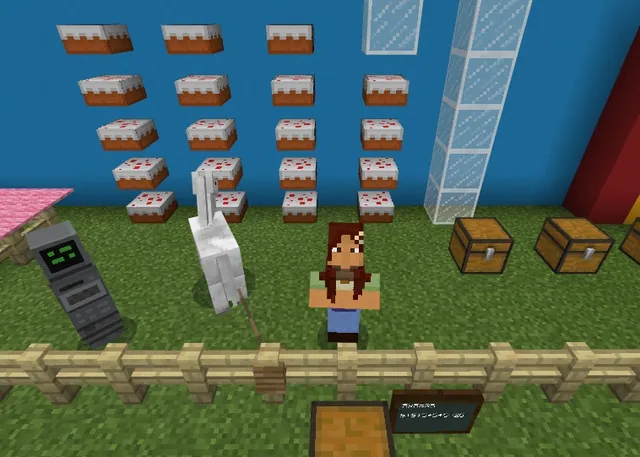
The learning experience expands into Minecraft: Education Edition through the 'Everything is Edible' extension challenge. Taking cues from the book's iconic chocolate room, students translate their imaginative edible concepts into 3D structures while working within a strict 10x10 block space limitation.
Learning objectives
By the end of this lesson students will be able to:
- Identify descriptive language features such as alliteration and powerful adjectives in product naming.
- Invent a confectionery product that performs a distinct function or contains a surprise.
- Design practical and eyecatching product packaging displaying the product name.
- Deliver a concise, persuasive spoken presentation applying powerful vocabulary.
- Construct an edible-themed room in Minecraft within a 10x10 block limit.
Blocks and items used in this lesson
 Cake
 Cocoa Beans
 Honeycomb Block
 Sweet Berries
 Cookie
Key vocabulary
- alliteration
- The repetition of the same initial sound or letter across a series of words.
- persuasive
- Language or communication intended to convince someone to believe or do something.
- function
- The special purpose, job, or effect that an item is designed to perform.
- packaging
- The materials and containers used to wrap, protect, and present a product to buyers.
Before class
Lesson sequence
- Starter: Fantastic Inventions
Read extract one aloud and record Willy Wonka's inventions on the board. In pairs, pupils choose which sweet they would prefer to eat and discuss their reasons. Give students two to three minutes to invent an appealing name for their choice. Compare ideas as a class, highlighting how Roald Dahl used powerful adjectives, alliteration, and descriptive words to make names memorable.
- Inventing a Sweet with a Function
Read extract two and explain that pupils are applying for an inventor position at Willy Wonka's factory. Emphasise that Wonka's sweets always perform a job or include a surprise. Collect function ideas on the whiteboard (such as boosting confidence or making people listen). In pairs, pupils decide on their sweet's specific function and combine persuasive vocabulary to give it an exciting name and description.
- Packaging Design and Pitch Writing
Discuss what makes effective packaging, noting that it must look eyecatching, display the product name clearly, and remain practical. Pupils create packaging using coloured pencils, scissors, and glue. Afterward, scaffold student pitch preparation using a writing frame to help them draft a short, punchy presentation packed with vivid nouns, verbs, and adjectives.
- Minecraft Build: Everything is Edible
Introduce the building challenge inspired by the famous chocolate room where everything can be eaten. Pupils launch Minecraft: Education Edition and build their own edible room. Enforce the design constraint: the room must not be larger than 10x10 blocks.
- Presentations and Hiring Vote
Pupils present their inventions and packaging to the class, practicing clear speech and eye contact. The class takes a vote on which inventor Willy Wonka should hire, requiring students to justify their choices. Conclude by compiling a classroom display of the most persuasive words and phrases used.
Assessment: success criteria
- Student product names demonstrate descriptive techniques such as powerful adjectives or alliteration.
- Packaging designs clearly feature the sweet name, practical structure, and visual appeal.
- Presentations use persuasive vocabulary to explain the sweet's function or surprise.
- Minecraft rooms are constructed entirely as edible environments within a 10x10 block footprint.
Differentiation
Provide word banks of powerful adjectives, persuasive verbs, and sentence frames to assist with naming and pitch writing.
Challenge students to incorporate multiple functional surprises and advanced rhetorical techniques into their pitch and 10x10 Minecraft build.
Knowledge check
5 questions to check understanding after the lesson. Tap an answer to see if it is right; the score appears at the end.
1What linguistic techniques are highlighted as making Roald Dahl's sweet names stand out?
Answer: A. The starter activity emphasises that the best names use descriptive adjectives and alliteration to be appealing.
2What special feature must student-invented sweets share with Willy Wonka's creations?
Answer: C. The lesson notes that Willy Wonka's sweets always either contain a surprise or perform a distinct function.
3Which three elements are listed as essential for good product packaging?
Answer: B. The packaging section states that packaging needs to be eyecatching, show the product name, and be practical.
4What is the size limit for the 'Everything is Edible' room in the Minecraft challenge?
Answer: D. The extension activity specifies that the room cannot be bigger than 10x10 blocks.
5How does the class conclude the sweet inventor presentations?
Answer: A. After the presentations, the class votes on who should be hired and shares the reasons behind their votes.
Resources
Frequently Asked Questions
Is there a specific downloadable world required for the building challenge?
No custom world download is required. Learners can build their 10x10 edible rooms in any standard creative or flat Minecraft: Education Edition world.
What physical materials are needed for the packaging design step?
You will need whiteboards for brainstorming, along with colouring pencils, scissors, and glue sticks so students can construct and decorate their packaging.
Adapted from Masters of Invention: Roald Dahl's Charlie and the Chocolate Factory by Minecraft Education on Minecraft Education, last updated Dec 15, 2022. This classroom version, the timings and the quiz were written by 9Minecraft Education.