- Type
- Lesson plan
- Ages
- Ages 8-18
- Duration
- about 1.7 hours (suggested)
- Includes
- Quiz: 5 questions
How can cities design waste management systems that effectively segregate, recycle, and safely treat garbage to safeguard community health?
Overview
Improper garbage disposal poses severe environmental hazards and increases the transmission of disease in urban populations. In this lesson, students explore the science of waste segregation, examining how sorting materials at the source makes recycling possible and ensures hazardous refuse is treated in an eco-friendly manner.
Using Minecraft Education as a collaborative planning space, learners design and construct a functional municipal waste disposal system. Students apply their understanding of civic sanitation to build dedicated sorting hubs, recycling facilities, and safe treatment zones that protect public health and minimize environmental harm.
Learning objectives
By the end of this lesson students will be able to:
- Identify different types of waste and explain the necessity of waste segregation.
- Describe the public health and environmental consequences of improper waste disposal.
- Construct a municipal waste management system in Minecraft featuring recycling and safe treatment zones.
- Formulate strategies to reduce overall waste and raise sanitation awareness within the community.
Blocks and items used in this lesson


Key vocabulary
- Waste segregation
- The process of dividing garbage into distinct categories such as recyclables, compost, and non-recyclables before disposal.
- Waste treatment
- Eco-friendly industrial processes used to neutralize hazards and safely process garbage that cannot be recycled.
- Sanitation
- Public health measures and infrastructure designed to collect, treat, and safely dispose of human and municipal waste.
Before class
Lesson sequence
Suggested timing: about 100 minutes in total.
- Introduction and Health Hazards15 min
Introduce the concepts of waste segregation and discuss the health risks associated with accumulated, unmanaged garbage, including water contamination and vector-borne diseases. Challenge students to identify the common types of waste produced daily and brainstorm methods for reducing overall consumption.
- Analyzing Management Systems20 min
Students analyze how efficient cities sort, recycle, and process trash. If feasible, connect with another classroom via an educational video call to compare regional waste management practices, or have teams research eco-friendly waste treatment techniques to implement in their designs.
- Minecraft City Sanitation Build45 min
In small groups, students design and build an urban waste infrastructure inside Minecraft. Each team must construct designated areas for sorting incoming waste, processing recyclable materials, and treating remaining refuse safely to protect nearby virtual communities.
- Presentations and Community Awareness20 min
Teams present their completed Minecraft waste networks to the class or partner schools, explaining how their infrastructure neutralizes health risks and recovers usable resources. Conclude with students outlining actionable ways to promote proper waste segregation in their homes and neighborhoods.
Assessment: success criteria
- The Minecraft build includes distinct, clearly labeled zones for waste sorting, recycling, and safe treatment.
- Student explanations accurately describe the connection between neglected waste and the spread of disease.
- The project demonstrates realistic, eco-friendly strategies to minimize the amount of trash sent to final disposal.
- Students produce a clear plan or message to promote waste segregation in their local community.
Differentiation
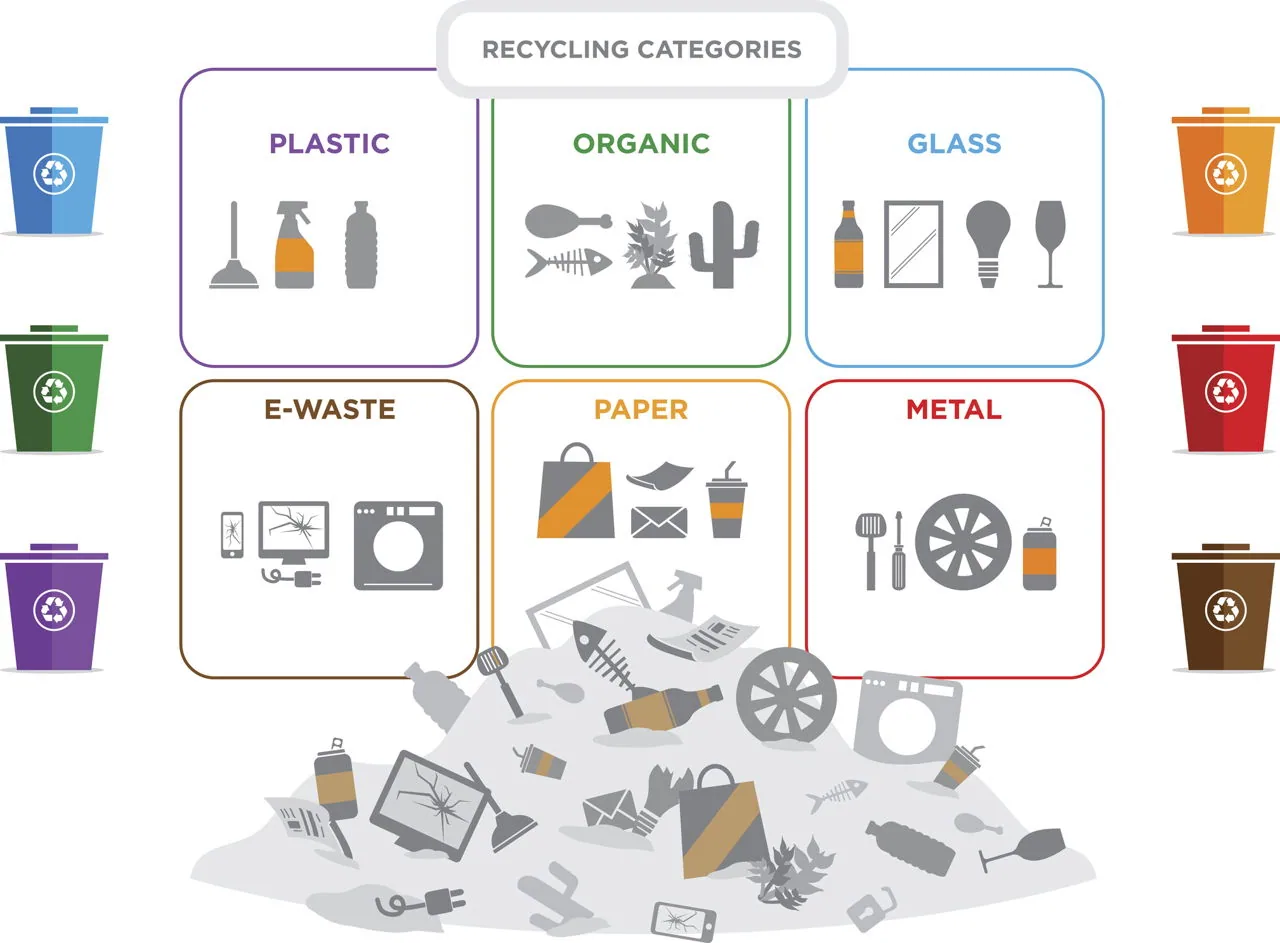
Provide a simple diagram showing three basic waste categories (recyclables, organic waste, and trash) to help students organize their Minecraft facility.
Challenge students to incorporate redstone sorting mechanisms into their Minecraft waste plant or develop an expanded civic awareness campaign for school staff.
Knowledge check
5 questions to check understanding after the lesson. Tap an answer to see if it is right; the score appears at the end.
1Why is waste segregation necessary before final disposal?
Answer: B. Segregating waste separates recyclable items from trash and ensures hazardous materials receive suitable treatment.
2What is a major risk of failing to manage and dispose of garbage properly?
Answer: D. Improper waste disposal creates breeding grounds for pests and contaminates environments, leading to serious diseases.
3What is the primary objective of the city waste system designed in Minecraft?
Answer: A. The lesson directs students to build a system where most waste is recycled and remaining refuse is treated appropriately.
4How can students extend their waste management work beyond the classroom?
Answer: C. The lesson emphasizes spreading awareness in outside communities to improve local waste practices.
5Besides recycling and treatment, what is an important way to handle urban waste issues?
Answer: B. Reducing overall waste output reduces the burden on sorting and treatment facilities.
Frequently Asked Questions
Is a specific pre-made world required to run this lesson?
No custom world download is required; teachers can use a standard flat world or any existing city template to allow students to build their waste management infrastructure.
How can I fulfill the classroom exchange activity if I cannot connect with an overseas school?
If an international connection is unavailable, you can arrange a virtual exchange with another class in your district or have students present their designs to another grade level within your school.
Adapted from Managing Garbage in our Cities by Jyoti Chaba on Minecraft Education, last updated Jun 14, 2018. This classroom version, the timings and the quiz were written by 9Minecraft Education.