- Type
- Lesson plan
- Grade
- Primary (Grades 3-5)
- Ages
- Ages 8-10
- Duration
- about 2.2 hours (suggested)
How can learning about poverty, homelessness, and the environment inspire us to design caring spaces for our community?
Overview
Empathy begins with understanding the lived experiences of others and recognizing the challenges faced by vulnerable communities. In this lesson, students examine the concepts of poverty and homelessness alongside environmental awareness inspired by Earth Day. Through guided discussions, surveys, and multimedia resources, learners consider how shelter and sustainable spaces impact people and their surroundings.
Using Minecraft Education in Creative Mode, students work in collaborative teams to construct supportive housing for people experiencing homelessness as well as functional greenhouses. After building, learners present their architectural solutions to their peers and write personal reflection essays outlining how they can contribute to addressing poverty in their own communities.
Learning objectives
By the end of this lesson students will be able to:
- Define poverty and identify key factors that can cause a person to become homeless.
- Demonstrate empathy by describing the emotional and physical challenges experienced by people without permanent housing.
- Design and construct supportive homes and a greenhouse using Minecraft Creative Mode.
- Collaborate in teams to plan, negotiate, and present architectural solutions to the class.
- Compose a reflective essay describing ways to take positive action against community poverty.
Blocks and items used in this lesson


Key vocabulary
- Empathy
- The ability to understand and share the feelings or experiences of another person.
- Poverty
- The state of lacking basic necessities such as adequate food, water, clothing, or shelter.
- Homelessness
- The condition of not having a safe, stable, or permanent place to live.
- Greenhouse
- A structure designed to protect plants and help them grow in controlled conditions.
Before class
Lesson sequence
Suggested timing: about 130 minutes in total.
- Introduction and Pre-Assessment15 min
Administer the pre-lesson quiz to establish baseline knowledge on poverty and homelessness. Lead a guided class discussion around core questions: What does poverty mean? How can someone become homeless, and what feelings might they experience? Connect this conversation to Earth Day themes by asking students what ideas come to mind when celebrating caring for our planet.
- Exploration and Research30 min
Conduct a field visit to a local homeless shelter and greenhouse, or share curated educational video clips exploring these topics. Have students record observations, complete survey notes, and discuss the primary needs of unhoused individuals alongside the role of greenhouses in environmental care.
- Collaborative Minecraft Build45 min
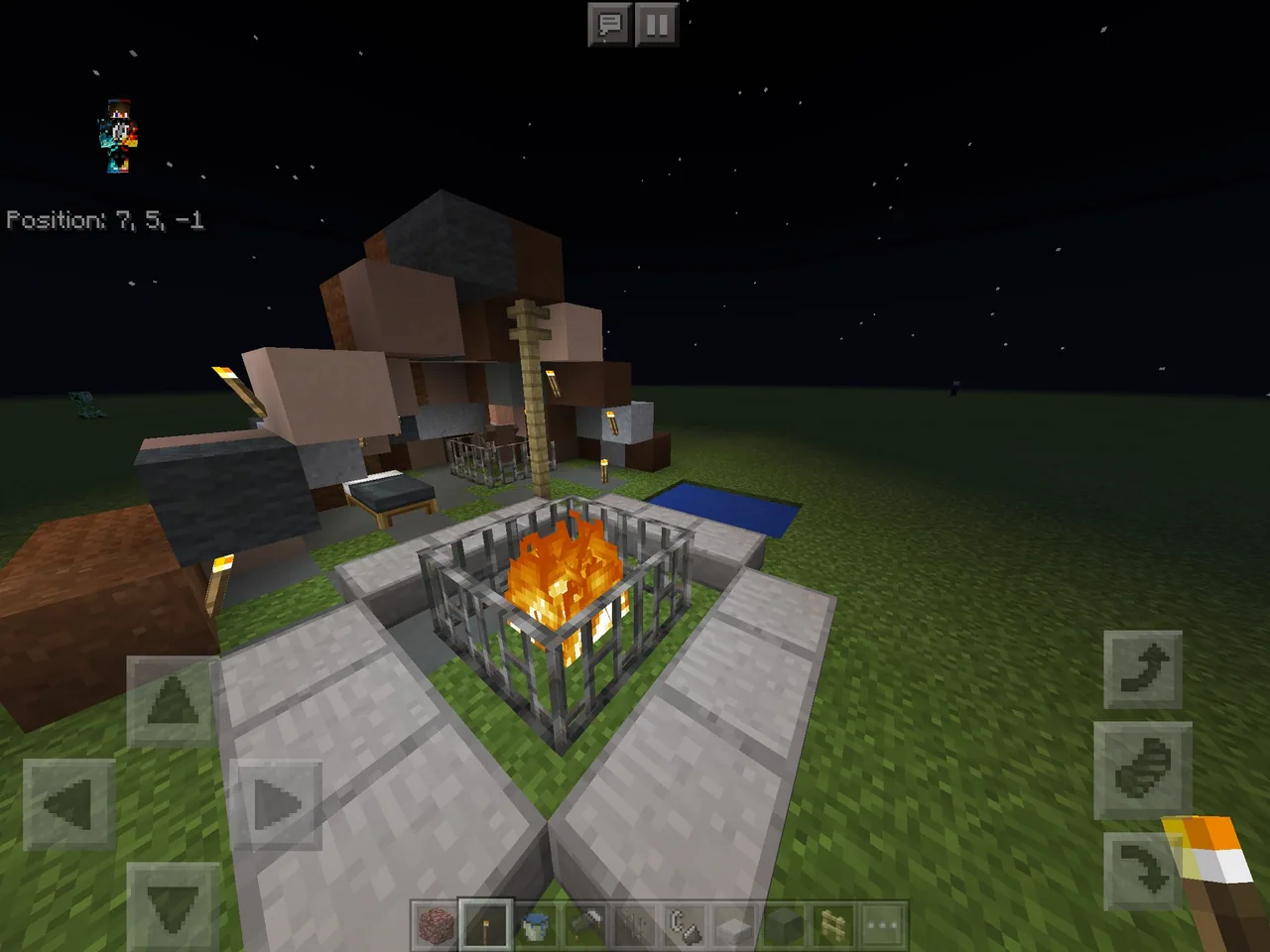
Place students into small teams in Minecraft Creative Mode. Instruct groups to plan, modify, and build two key structures: secure, supportive homes for people facing poverty, and a community greenhouse. Encourage teammates to communicate respectfully, share ideas, and balance individual opinions during construction.
- Team Presentations20 min
Have each group deliver a 10 to 15 minute presentation showcasing their Minecraft builds to the class. Students should explain their design choices, explain how their houses address the needs of homeless individuals, and highlight the purpose of their greenhouse.
- Reflective Writing and Post-Assessment20 min
Students complete the post-lesson quiz to measure learning progress. Afterward, learners write a short reflective essay describing their connection to the issue of homelessness, what they learned from their research, and actionable ideas for helping combat poverty in their city.
Assessment: success criteria
- Student accurately defines poverty and describes empathetic responses to homelessness during discussions and written work.
- Team effectively cooperates to plan, construct, and present both a home and a greenhouse in Minecraft Creative Mode.
- Student delivers a coherent group presentation connecting build features to the practical needs of vulnerable populations.
- Reflective essay demonstrates critical thinking regarding community poverty solutions and personal connections to the topic.
Differentiation
Provide sentence starters and visual reference guides (such as House 1, 2, and 3 layouts) to assist with planning the Minecraft build and drafting the reflection essay.
Challenge students to include sustainable, self-sufficient features within their Minecraft housing communities, such as clean energy or integrated food-distribution systems.
Knowledge check
5 questions to check understanding after the lesson. Tap an answer to see if it is right; the score appears at the end.
1What is the primary focus of developing empathy during this lesson?
Answer: B. The lesson aims to build empathy by helping students understand the emotional and practical hardships of homelessness.
2Which two types of structures are students asked to build in Minecraft?
Answer: C. The student activities specify building houses for poor people alongside a greenhouse in Creative Mode.
3What method does the teacher use to track learning progress before and after the activities?
Answer: A. The guiding ideas recommend testing student learning outcomes through pre- and post-quizzes on key concepts.
4What collaborative skill is specifically evaluated during the Minecraft building phase?
Answer: B. The performance expectations state that students must work in teams, discuss, and value each other's opinions.
5What final written assignment do students complete to express their ideas on poverty?
Answer: D. Assessment guidelines ask students to pen down thoughts in a small essay connecting their visits or video research to combating poverty.
Resources
- Lesson package (.zip)Everything the author attached to this lesson in one download.
- House 1
- House 2
- House 3
Frequently Asked Questions
Can I teach this lesson if our class cannot take an in-person field trip?
Yes. The source notes that educational videos related to poverty, shelters, and greenhouses can substitute for an off-campus trip while still preparing students for surveys and Minecraft construction.
Does this lesson require a custom downloadable Minecraft world file?
No special world download is required. Teachers can set up any standard flat or open world in Creative Mode so teams can freely build their homes and greenhouses.
How can I handle sensitive conversations around poverty and homelessness with young learners?
Ground conversations in the guiding questions, focusing on basic human needs, emotional understanding, and constructive community solutions so students feel empowered to think helpfully rather than fearful.
Adapted from Let's Understand Empathy by Monica Joshi on Minecraft Education, last updated Jun 14, 2018. This classroom version, the timings and the quiz were written by 9Minecraft Education.