- Type
- Lesson plan
- Ages
- Ages 8-13
- Includes
- Quiz: 5 questions
How do human activities change natural biomes, and what steps can we take to protect the plants and animals living there?
Overview
Human societies depend heavily on natural habitats, yet expanding activities like agriculture, logging, mining, and urban development place significant strain on global ecosystems. In this unit, students examine how human actions alter the living conditions and food webs within earth's major biomes, considering both the damage caused and potential conservation solutions.
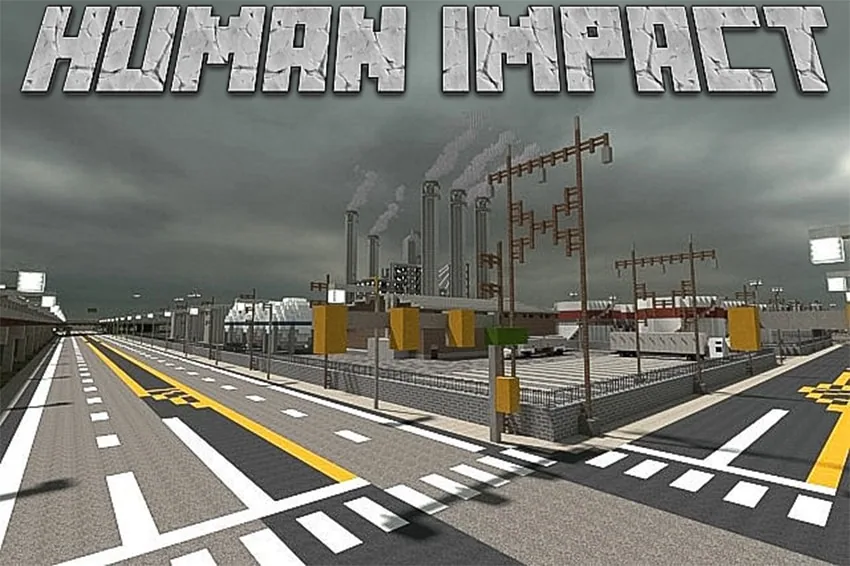
Using Minecraft in creative mode, learners select a single biome and construct a detailed model that reflects both its natural biodiversity and evidence of human intervention. Students document their virtual habitats alongside external reference pictures to produce a final multimedia presentation exploring ecological balance.
Learning objectives
By the end of this lesson students will be able to:
- Investigate the climate, food webs, and common species of major terrestrial biomes using secondary research sources.
- Analyze three specific ways modern human civilization harms a chosen biome along with practical methods to reduce each impact.
- Construct a realistic model of a selected biome in Minecraft Creative mode that shows both natural habitat elements and areas of human impact.
- Capture screenshots of the Minecraft build and combine them with researched images to explain environmental changes over time.
Blocks and items used in this lesson


Key vocabulary
- Biome
- A large geographic region characterized by its climate, specific temperature range, and distinct plant and animal communities.
- Habitat
- An environment that provides living organisms with essential requirements including food, water, air, space, and light.
- Food Web
- A system of interlocking and interdependent food chains showing how energy moves between producers and consumers in an ecosystem.
- Deforestation
- The clearing or thinning of forests by humans to obtain wood or clear land for farming and building.
Before class
Lesson sequence
- Phase 1: Major Biomes Investigation
Introduce the seven major biomes on Earth. Students use books and designated websites to take organized notes on blank sheets, recording locations, average temperatures, a five-organism food web, common plants, animals, an interesting fact, and one negative human impact with a solution for each biome.
- Phase 2: In-Depth Biome Selection and Impact Analysis
Learners choose one specific biome to investigate in detail and add three additional facts. They then identify three distinct human impacts (such as farming, forestry, mining, housing, or pollution), explaining why people alter the environment and proposing realistic actions to repair or mitigate each issue.
- Phase 3: Minecraft Biome Modeling
In Creative mode, students construct a realistic representation of their chosen biome, including characteristic terrain, plants, and animals. Within the same build, they must depict specific human impacts, such as clear-cut areas, residential sprawl, or polluted zones.
- Phase 4: Documentation and Multimedia Showcase
Students capture screenshots of their completed Minecraft models and save them to their camera roll. They combine these virtual tours with real-world photographs showing at least three plants and animals alongside examples of human disruption to finish their documentary project.
Assessment: success criteria
- Research notes thoroughly describe climate, food webs, and species across the major biomes.
- Analysis explains three distinct human impacts on the chosen biome and offers actionable solutions for each.
- Minecraft creative build accurately reflects the chosen biome's natural landscape as well as visible human disruptions.
- Final documentary clearly integrates screenshots of the virtual build with reference pictures of plants, animals, and human effects.
Differentiation
Allow learners to focus their initial research on three biomes instead of seven before narrowing down to their final project focus.
Challenge students to incorporate complex, contrasting zones in Minecraft that demonstrate successful environmental restoration alongside active human development.
Knowledge check
5 questions to check understanding after the lesson. Tap an answer to see if it is right; the score appears at the end.
1What essential necessities must a habitat provide to support plant and animal life?
Answer: B. Habitats are defined as areas that provide living things with food, water, air, space, and light.
2How many plants or animals must be included in each biome food web during the initial investigation?
Answer: A. The project instructions require a food web containing a minimum of five plants or animals.
3Which of the following is listed as a beneficial ecological function of wetlands?
Answer: B. The source notes that wetlands act like a big filter that helps clean water for plants and animals.
4How many specific human impacts must students investigate and explain for their chosen biome?
Answer: D. Part 3 instructs students to choose three human impacts and describe how humans alter the environment and how we can help.
5What should students capture to document their completed Minecraft world for their final presentation?
Answer: C. Students are directed to take a tour of their finished world using screenshots saved to their camera roll.
Frequently Asked Questions
Does this lesson require a specific custom world download?
No custom world download is required; students create their biomes in a standard Creative mode world using their own research to guide realistic building choices.
What app is recommended for the final student documentary?
The lesson mentions importing saved screenshots into Explain Everything alongside real-world reference pictures to complete the documentary.
Can students work in groups for the research and building phases?
The original assignment is framed as an individual investigation, but teachers can easily organize students into biome research teams or collaborative building partners.
Adapted from Habitats: Human Impact by Jason Wood on Minecraft Education, last updated Oct 12, 2018. This classroom version, the timings and the quiz were written by 9Minecraft Education.