- Type
- Lesson plan
- Ages
- Ages 8-13
- Duration
- 1 hour
- Level
- Beginner
How do physical adaptations help animals survive extreme cold, and why does climate change threaten their survival?
Overview
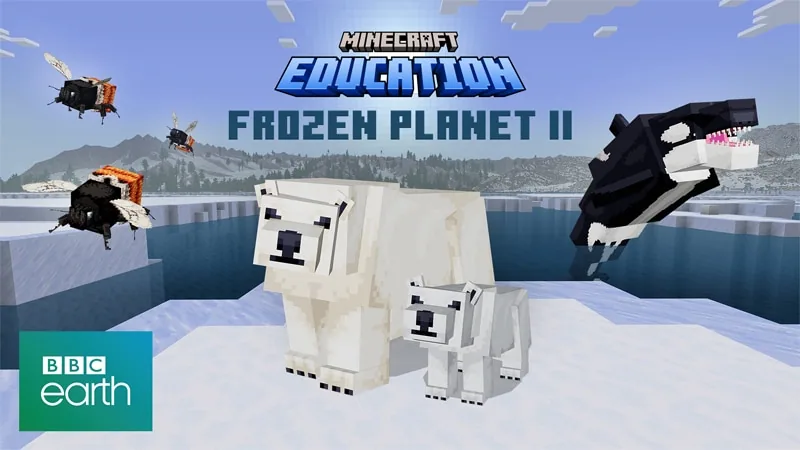
In this lesson, learners investigate how creatures like polar bears and killer whales survive in extreme, freezing habitats such as the Arctic and Antarctica. Students examine specific physical and behavioral traits, including insulation, camouflage, and echolocation, while exploring how global climate shifts threaten these fragile environments.
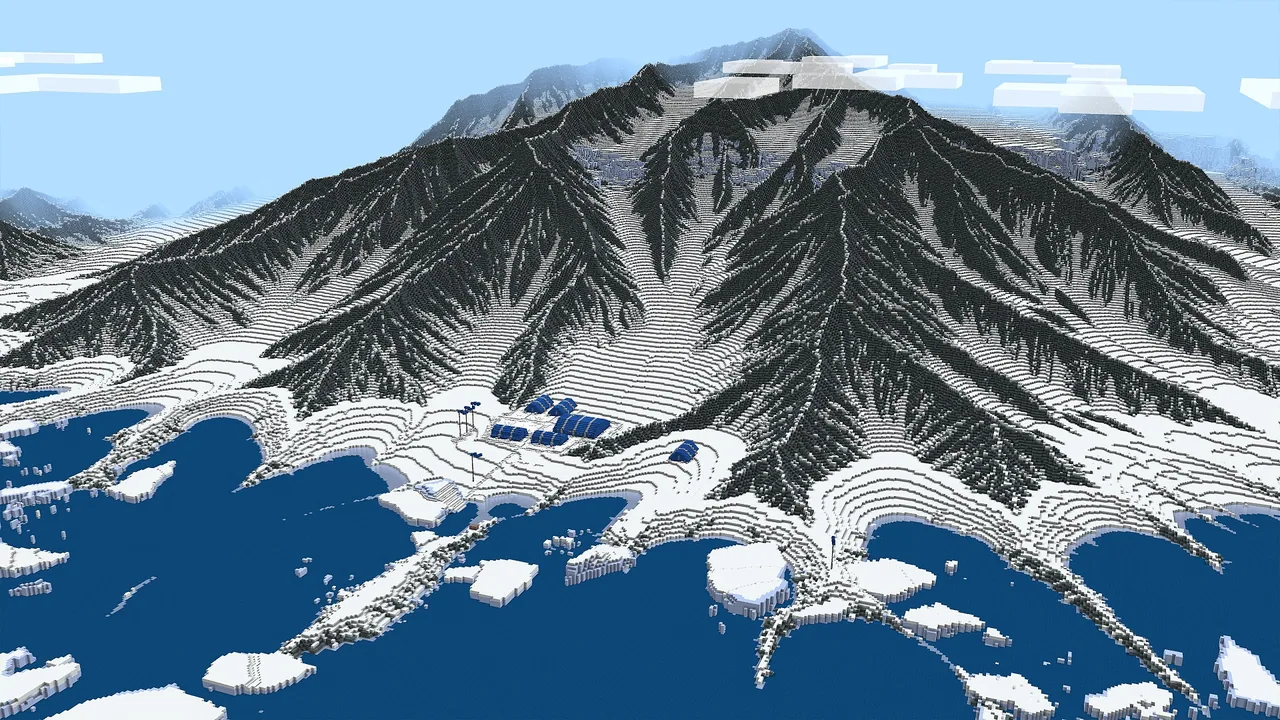
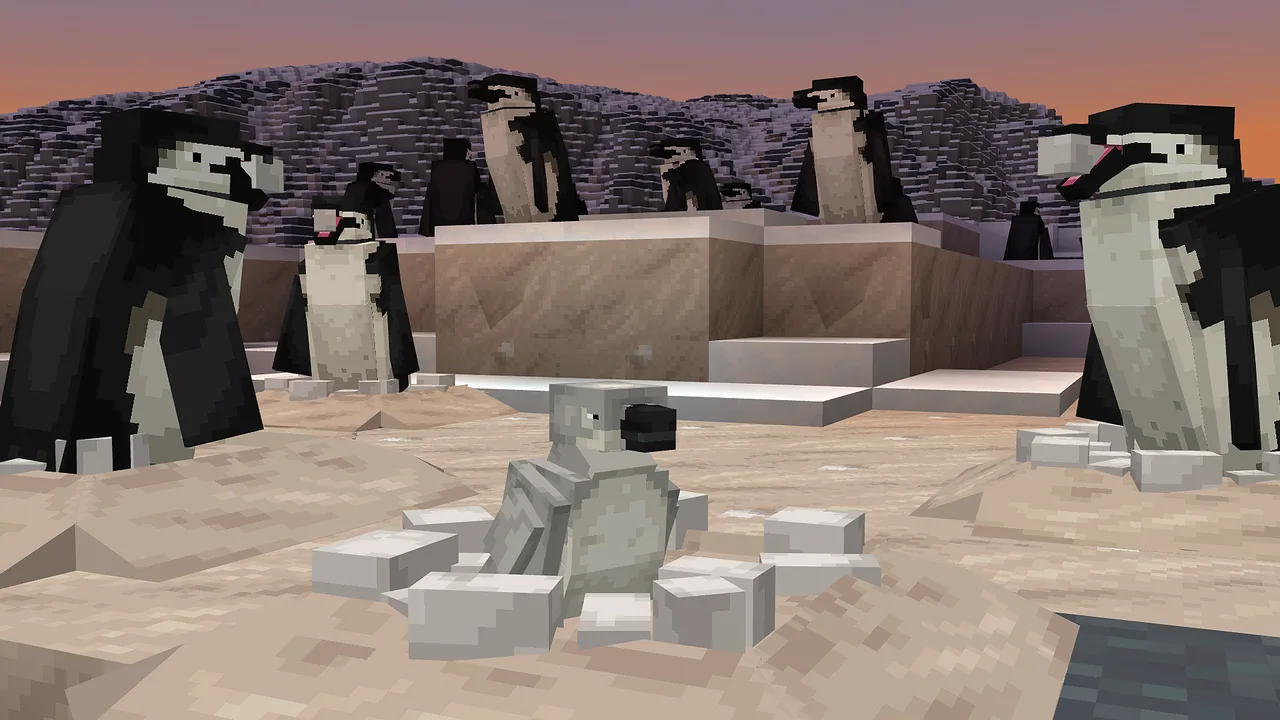
Using the companion Minecraft world, students step into the frozen landscape to experience the daily struggles and triumphs of Arctic wildlife firsthand. In-game experiences reinforce how environmental changes disrupt animal survival and highlight practical actions, such as reducing waste, that people can take to curb emissions.
Learning objectives
By the end of this lesson students will be able to:
- Identify key physical adaptations that allow polar bears and killer whales to live in frozen environments
- Demonstrate how sound vibrations travel through waves using a hands-on acoustic model
- Describe how warming conditions and habitat disruption create challenges for polar wildlife
- Propose individual actions such as reusing and recycling to help lower emissions and protect habitats
Blocks and items used in this lesson


Key vocabulary
- Adaptation
- A special trait or feature that helps a plant or animal survive in its environment.
- Blubber
- A thick layer of fat beneath the skin that provides insulation in freezing water and air.
- Echolocation
- The process of locating objects by bouncing high-pitched sounds off them and listening to the return echo.
- Camouflage
- Colors or patterns that help an animal blend into its surroundings to hide from predators or sneak up on prey.
- Sound Wave
- A pattern of disturbance caused by the movement of energy traveling through a medium like air or water.
Before class
Lesson sequence
Suggested timing: about 60 minutes in total.
- Introduction and Habitat Discussion10 min
Introduce year-round cold regions like the Arctic Ocean and Antarctica, naming frozen features such as sea ice, glaciers, and permafrost. Ask students what animals survive there and guide an initial discussion about how rising temperatures and climate change threaten these polar ecosystems.
- Polar Bear Adaptations and Research15 min
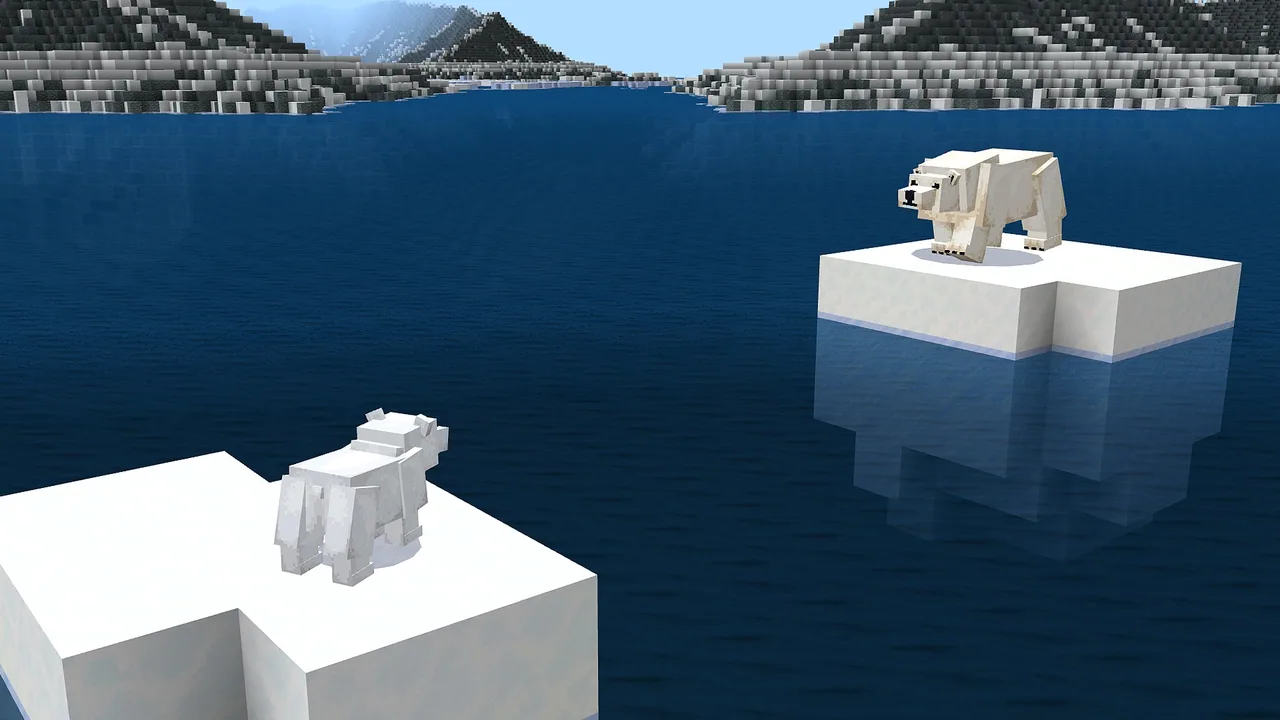
Display the polar bear image and have students write existing knowledge on sticky notes. Organize learners into groups of three or four to research specific questions using online sources and the provided polar bear fact sheet, focusing on features like hollow fur, black skin, blubber, small ears, and wide paws.
- Minecraft Frozen World Exploration15 min
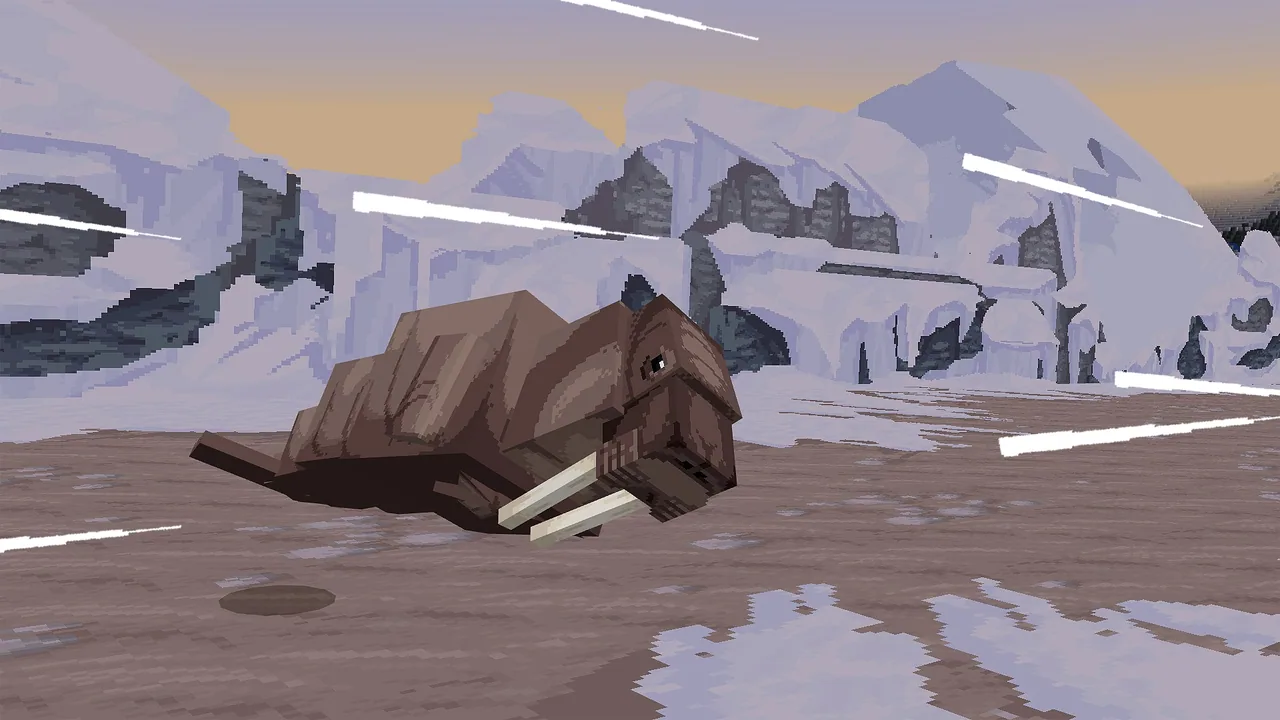
Direct students to launch the Minecraft world to explore the polar bear habitat. Encourage learners to observe in-game challenges and triumphs, noting how environmental hazards make finding food and moving across ice increasingly difficult.
- Killer Whale Echolocation Investigation15 min
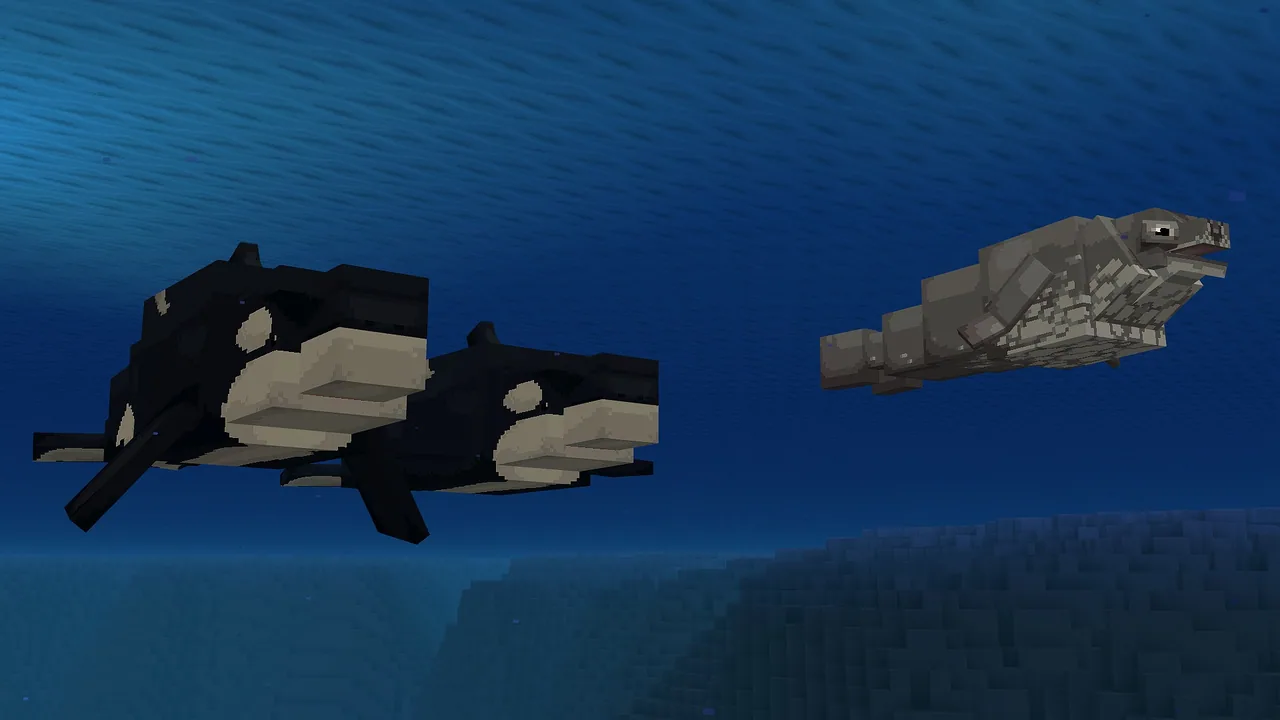
Introduce killer whales and discuss how marine mammals hunt in dark ocean waters using echolocation. Conduct a quick demonstration by stretching plastic wrap over a cup, sprinkling uncooked rice on top, striking a tambourine nearby, and observing how sound vibrations travel through the air to move the rice.
- Reflection and Action Steps5 min
Regroup to connect animal adaptations to current climate pressures. Prompt students to list individual actions highlighted in the lesson, such as reducing waste, reusing items, and recycling, that help lower emissions and safeguard polar wildlife habitats.
Inside the lesson world
Assessment: success criteria
- Students can name at least three distinct adaptations of polar bears and explain the survival purpose of each.
- Students explain how sound waves travel through vibrations to allow marine mammals to detect prey.
- Students describe at least two environmental consequences of climate change on polar habitats.
- Students identify responsible waste-reduction actions individuals can practice to reduce environmental impact.
Differentiation
Provide the printed polar bear fact sheet with targeted prompts highlighting specific body parts like fur, paws, and skin.
Ask advanced learners to compare the polar bear's hunting strategy with the Lapland bumblebee or killer whale's survival mechanisms.
Knowledge check
5 questions to check understanding after the lesson. Tap an answer to see if it is right; the score appears at the end.
1Why does a polar bear have black skin under its fur?
Answer: A. The polar bear's black skin absorbs heat to help it stay warm in sub-zero conditions.
2How does a killer whale locate food in dark ocean depths?
Answer: B. Killer whales emit high-pitched sounds and interpret the returning echoes to determine an object's distance and shape.
3What function do a polar bear's large paws serve on the ice?
Answer: B. Wide paws distribute the polar bear's heavy weight across a broader surface area so it can travel safely over thin ice and snow.
4During the cup and tambourine experiment, what causes the rice grains to move?
Answer: B. Striking the tambourine creates vibrations that move through the air as sound waves, causing the plastic wrap and rice to shake.
5Which action is recommended in the lesson to help reduce emissions and protect polar habitats?
Answer: C. The lesson points to reducing waste, reusing items, and recycling as everyday actions that curb greenhouse gas emissions.
Resources
- Lesson package (.zip)Everything the author attached to this lesson in one download.
- Bumblebee FactsheetFacts about bumblebees.
- Killer Whale FactsheetsFacts about killer whales.
- Polar Bear FactsheetFacts about polar bears.
- Frozen World PowerPointAccompanying PPT Presentation For Lesson Plan.
- Lesson worldOpens the world page in Minecraft Education (sign-in with a school account may be needed).
Frequently Asked Questions
Can this lesson be taught if devices are limited?
Yes. The research tasks, adaptation discussions, and hands-on tambourine sound experiment can all be completed in small groups or as whole-class demonstrations without individual devices.
What specific materials are needed for the echolocation activity?
You will need a standard cup, plastic food wrap, a teaspoon of uncooked white or brown rice, and a tambourine or similar striking instrument to demonstrate sound vibrations.
Adapted from Frozen Planet II: Frozen Worlds by Minecraft Education on Minecraft Education, last updated Sep 29, 2025. This classroom version, the timings and the quiz were written by 9Minecraft Education.