- Type
- Lesson plan
- Ages
- Ages 8-13
- Duration
- 2 hours
- Level
- Beginner
How do Antarctic animals adapt to survive extreme cold, and why does climate change threaten their survival?
Overview
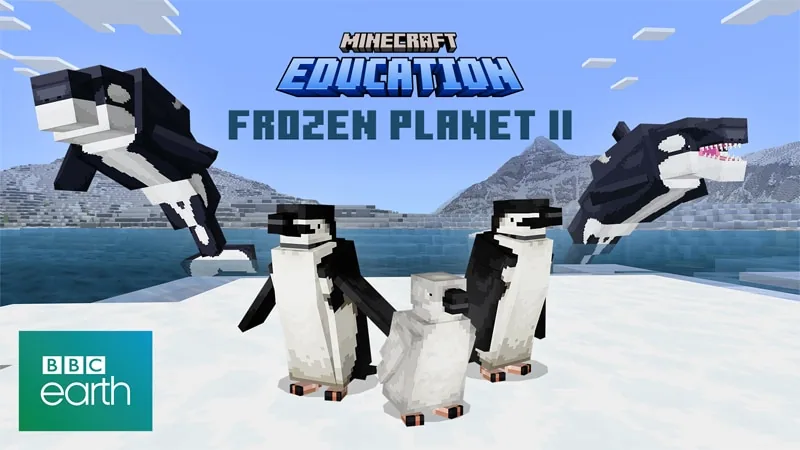
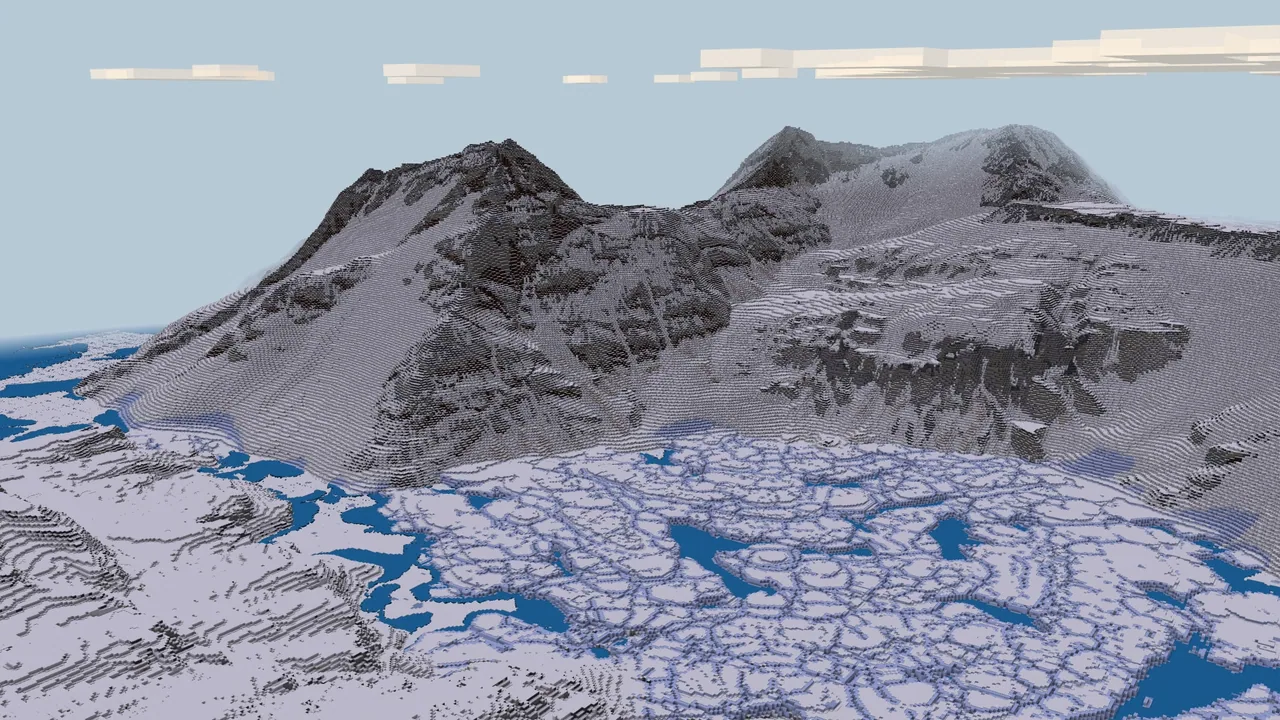
Antarctica is one of the most extreme environments on Earth, remaining freezing cold throughout the entire year. Animals like chinstrap penguins and killer whales have developed specialized physical and behavioral adaptations to hunt, move, and survive across ice floes, glaciers, and freezing seas. However, accelerating global climate change is altering these frozen habitats, threatening species survival through rising sea levels and shifting weather patterns.
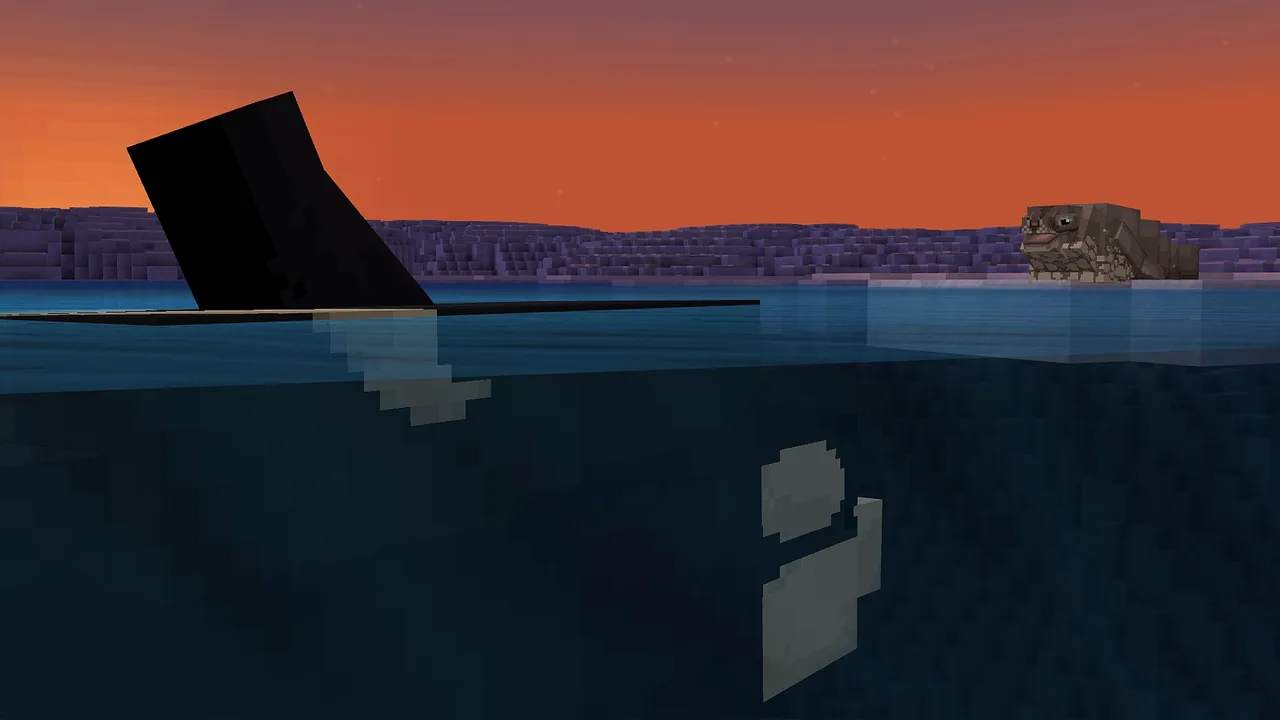
Students enter the Minecraft Education world to witness the daily struggles and triumphs of Antarctic animals firsthand. By pairing digital simulations with practical engineering tasks and acoustic science experiments, learners discover how polar creatures navigate their environment and consider real-world actions to reduce emissions and protect fragile ecosystems.
Learning objectives
By the end of this lesson students will be able to:
- Identify geographic characteristics of Antarctica and forms of frozen water in polar regions.
- Describe physical and behavioral adaptations of chinstrap penguins and killer whales.
- Demonstrate how sound vibrations and echolocation work using a physical model.
- Explain how climate change disrupts polar habitats and identify actions to reduce emissions.
Blocks and items used in this lesson


Key vocabulary
- Adaptation
- A change in structure or behavior over time that helps a living thing survive in its habitat.
- Echolocation
- Using reflected sound waves to detect objects, prey, and distances in the dark or water.
- Permafrost
- Ground or frozen water that remains completely frozen continuously over time.
- Climate Change
- Long-term shifts in global temperatures and weather patterns affecting Earth's ecosystems.
Before class
Lesson sequence
Suggested timing: about 120 minutes in total.
- Polar Geography & Penguin Research20 min
Display the presentation slides, locate Antarctica on a world map or globe, and review key polar ice terms like glaciers, ice floes, and permafrost. Divide students into pairs or triads, hand out the chinstrap penguin fact sheet, and have groups read the text and research one question about the penguin's lifestyle.
- Hands-On Toboggan Engineering Challenge35 min
Challenge teams to build a toboggan maze board that slows down or guides a sliding penguin. Using cardboard, craft sticks, and tape or glue, groups create raised borders and obstacle paths, prop the board at an incline, and test their run using an ice cube as the penguin.
- Time the runs to see which design allows the ice cube to travel smoothly without sliding off.
- Investigate how steepness and stick placement alter the speed of the descent.
- Minecraft In-Game Exploration25 min
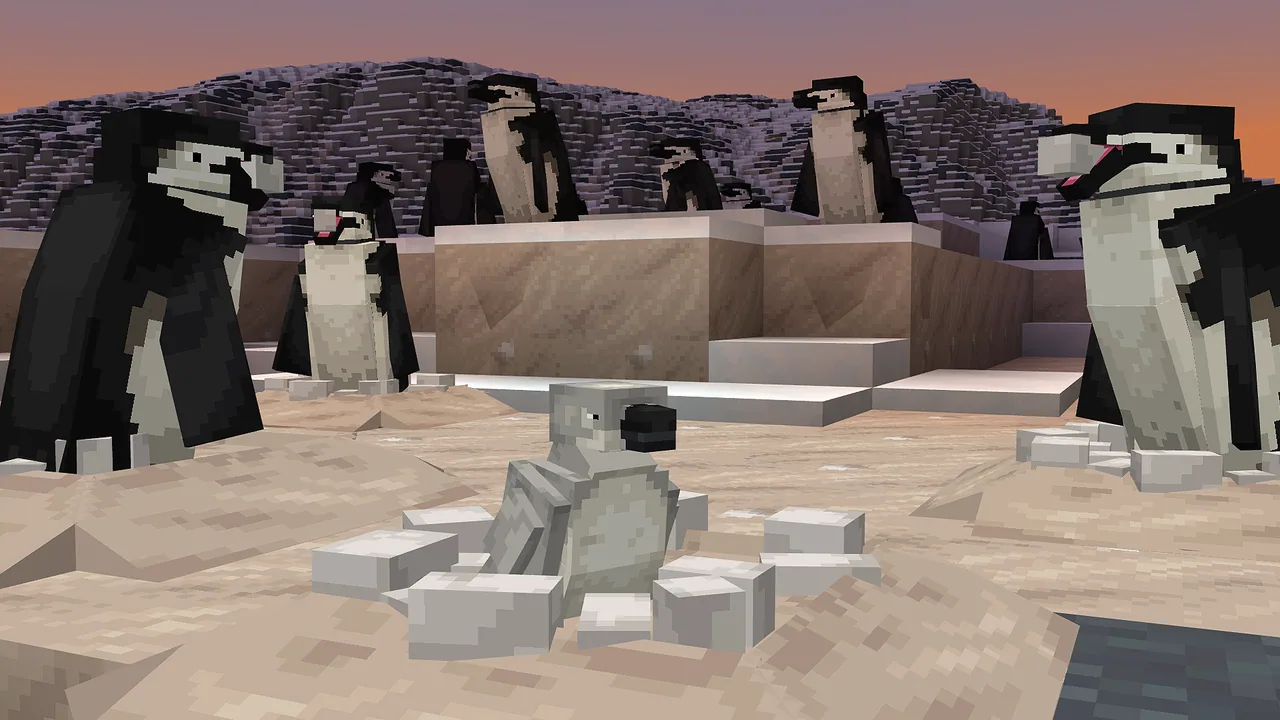
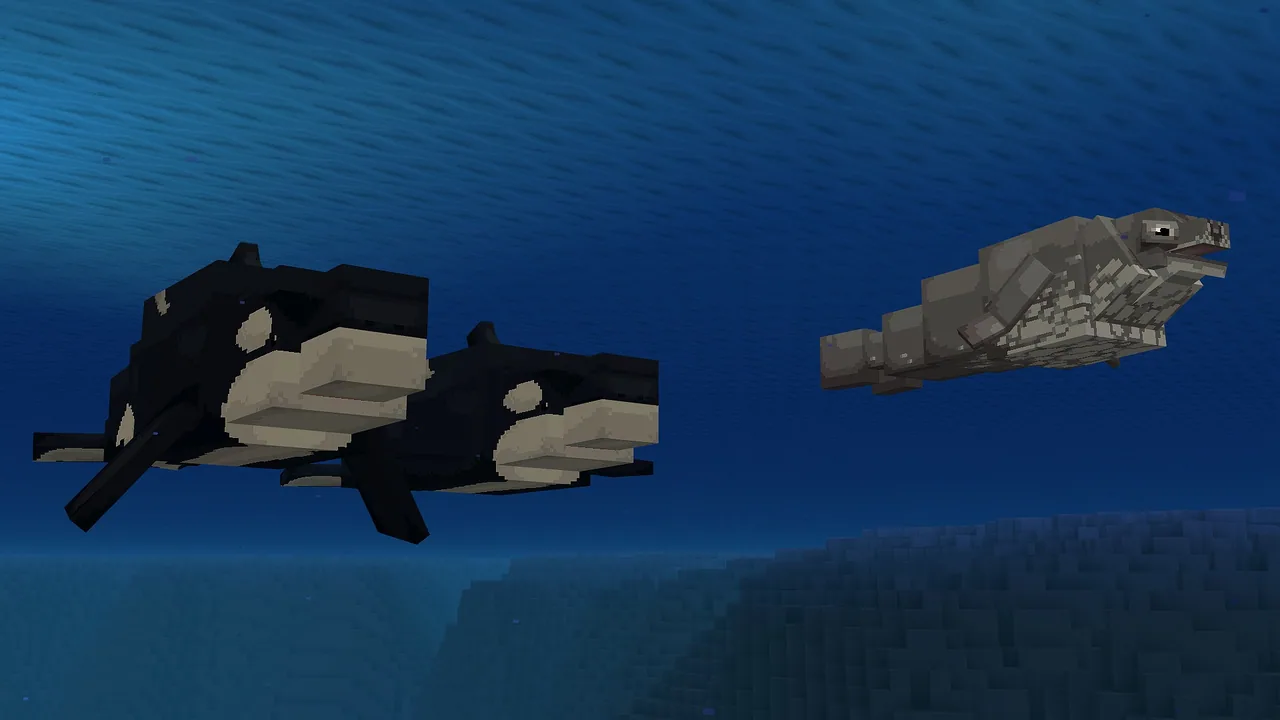
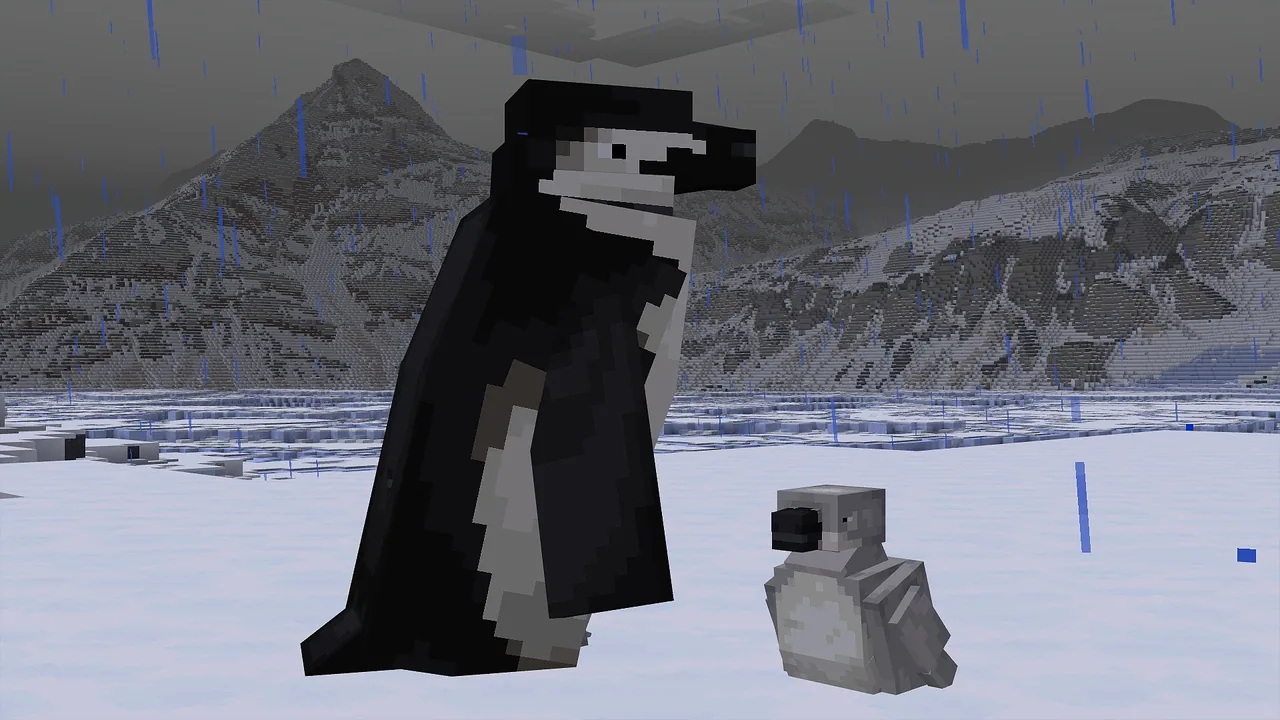
Launch the Minecraft world using slide prompts. Students explore the Antarctic environment from the perspective of a chinstrap penguin, observing its natural habitat and experiencing the real-life hurdles it faces while moving and finding food.
- Killer Whale Study & Echolocation Lab25 min
Screen the killer whale video from the slides and host a respectful class discussion about whale adaptations. Introduce echolocation, explaining how whales emit high-pitched sounds to map their surroundings in deep water.
Demonstrate sound vibrations by covering a cup tightly with plastic wrap, sprinkling uncooked rice on top, and holding a tambourine close while playing it to watch sound waves move the rice.
- Climate Action & Reflection15 min
Reconvene as a class to examine the consequences of climate change on Antarctica, such as rising sea levels and species loss. Discuss personal emotional responses and review positive actions emphasized in the Minecraft world, including reducing waste, reusing items, and recycling to lower emissions.
Inside the lesson world
Assessment: success criteria
- Locate Antarctica in the southern hemisphere and list at least two native polar animal species.
- Explain how killer whales use echolocation to navigate and hunt in dark ocean waters.
- Design and test a functioning physical toboggan track that guides an ice cube down an incline.
- State at least two everyday actions that help lower emissions to protect Antarctic habitats.
Differentiation
Provide pre-cut craft sticks and step-by-step assembly diagrams for the toboggan challenge, pairing students with a partner for reading fact sheets.
Ask advanced learners to mathematically calculate average descent speeds on their toboggan runs and hypothesize how ocean temperature rises impact echolocation accuracy.
Knowledge check
5 questions to check understanding after the lesson. Tap an answer to see if it is right; the score appears at the end.
1Where is the continent of Antarctica located?
Answer: B. Antarctica is located at the South Pole in the southern hemisphere.
2What physical object represents the chinstrap penguin during the engineering maze test?
Answer: C. Teams test their cardboard toboggan paths by letting an ice cube slide down the ramp.
3How do killer whales navigate and find prey in dark ocean depths?
Answer: D. Killer whales use echolocation, bouncing high-frequency sound waves off objects to determine their location.
4In the acoustic experiment with a cup and plastic wrap, what item is placed on top to observe sound vibrations?
Answer: A. Uncooked rice is placed on top of the tight plastic wrap to see vibrations caused by the tambourine.
5Which set of habits does the lesson suggest to help reduce emissions and protect polar habitats?
Answer: B. The lesson highlights reducing waste, reusing items, and recycling to lower overall environmental emissions.
Resources
- Lesson package (.zip)Everything the author attached to this lesson in one download.
- Chinstrap Penguin Fact SheetDetailed facts about Chinstrap penguins.
- Killer Whale Fact SheetDetailed facts about the killer whale.
- Classroom Presentation PPTPowerpoint presentation for use in the classroom.
Frequently Asked Questions
How can I prevent the ice cubes from soaking the cardboard toboggan tracks?
Line the cardboard track surface with clear packing tape or plastic wrap before testing so that melting ice does not weaken the paper structure.
What should students focus on while inside the Minecraft world?
Direct students to notice the specific behavioral challenges the penguin faces on sea ice and look for environmental clues detailing the effects of climate change.
Adapted from Frozen Planet II: Frozen South by Minecraft Education on Minecraft Education, last updated Sep 29, 2025. This classroom version, the timings and the quiz were written by 9Minecraft Education.