- Type
- Lesson plan
- Subject
- Math
- Topics
- Math & Economics
- Ages
- Ages 11-13
- Duration
- 1 hour
- Level
- Beginner
How do checking and savings accounts help us plan and reach different types of financial goals?
Overview
Managing personal finances requires understanding how to align spending habits with immediate, short-term, and long-term purchase targets. In this lesson, students explore how banks assist with money management, differentiating between the everyday utility of checking accounts paired with debit cards and the intentional reserve purpose of savings accounts.
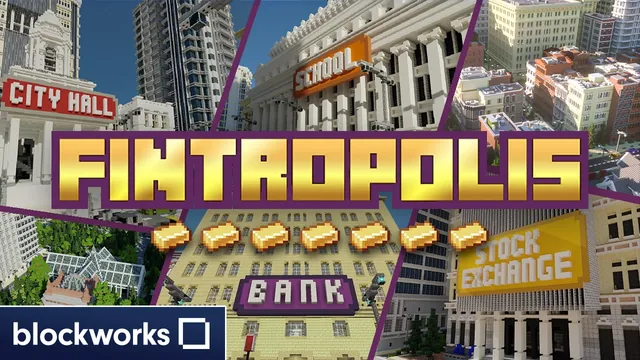
Using Minecraft, learners transition from earning income in the job arena to visiting a community bank. Interacting with non-player characters allows students to analyze account functions, categorize purchase types into goal buckets, and allocate their funds to ensure they can afford a target bicycle as well as potential unexpected costs.
Learning objectives
By the end of this lesson students will be able to:
- Classify personal spending targets into immediate, short-term, and long-term goals.
- Explain the primary distinctions between checking accounts, savings accounts, and debit cards.
- Allocate in-game earned income between accounts to meet a specific purchase goal.
Blocks and items used in this lesson


Key vocabulary
- Checking account
- A bank account designed for daily spending, deposits, and immediate withdrawals.
- Savings account
- A bank account set aside to store and grow money for short-term or long-term goals.
- Debit card
- A payment card linked directly to a checking account for purchases.
- Short-term goal
- A financial purchase objective planned for the near future, such as buying a bicycle.
Before class
Lesson sequence
Suggested timing: about 60 minutes in total.
- Warm-up and Goal Recall10 min
Review concepts from the previous lesson, reinforcing that different jobs offer different earnings based on time and effort. Have students pair up to discuss the bicycle model they previously selected and confirm the total savings target required to purchase it.
- Goal Types and Vision Boarding15 min
Define immediate, short-term, and long-term goals as a class on chart paper. Have students begin their account graphic organizers and design a visual goal board on paper or digitally, displaying examples such as food for immediate goals, games for short-term goals, or larger items for long-term targets.
- Visiting the Minecraft Bank20 min
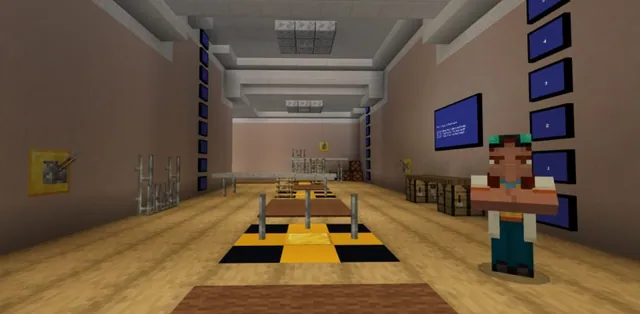
Direct students into the Minecraft world at the job arena. Students interact with the guide NPC to travel to the bank, where they speak to various banking NPCs to learn about checking accounts, debit cards, and savings accounts while recording details on their graphic organizers.
- Sorting Goals and Budget Allocation15 min
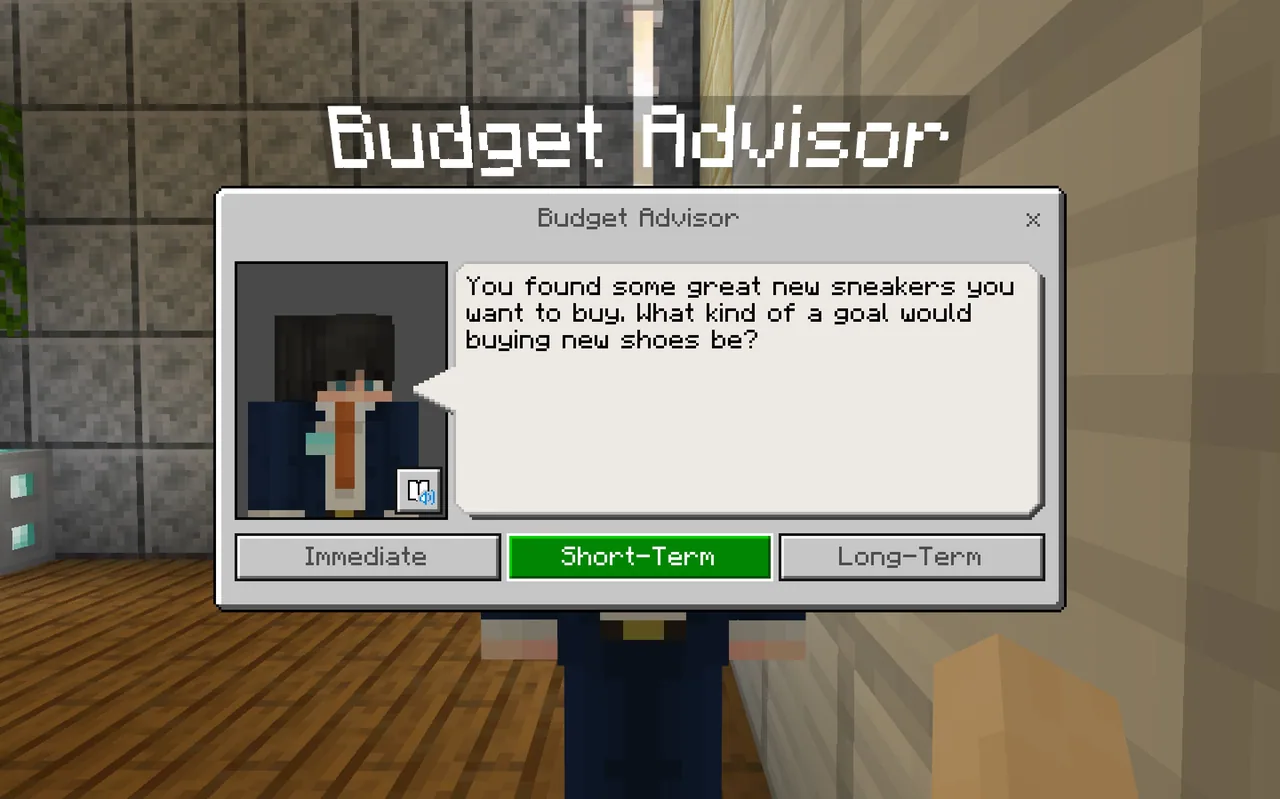
Students assist the in-game bankers by sorting target purchases into immediate, short-term, and long-term buckets, observing that bicycles sit in the short-term bucket. Students then consult the budget advisor to place required funds into savings for their bike and decide whether to reserve extra funds for unexpected expenses.
Assessment: success criteria
- Accurately completes the graphic organizer distinguishing checking and savings accounts.
- Categorizes sample purchases correctly into immediate, short-term, and long-term tiers.
- Allocates sufficient in-game currency into savings to meet the designated bike purchase price.
Differentiation
Offer a pre-populated list of purchase examples to guide students when sorting items into goal buckets and completing their organizers.
Challenge students to research how savings tools earn interest or how investing tools such as stocks and bonds function for future wealth.
Knowledge check
5 questions to check understanding after the lesson. Tap an answer to see if it is right; the score appears at the end.
1Which type of bank account is primarily designed for everyday expenses and immediate purchases?
Answer: B. Checking accounts are designed to handle frequent, immediate transactions.
2Into which goal category is the target bicycle placed during the bank sorting activity?
Answer: A. The bank activity categorizes the bicycle purchase as a short-term goal.
3Which banking tool is introduced to allow direct purchases from a checking account?
Answer: D. The lesson introduces debit cards as the tool tied to checking accounts for spending.
4What project do students create to display their personal spending and saving targets?
Answer: B. Students assemble a vision board either on paper or through digital tools to represent their goals.
5Why does the in-game budget advisor suggest setting aside additional money beyond the bicycle price?
Answer: C. The advisor asks students if they want to allocate extra funds to prepare for unexpected expenses.
Resources
- Lesson package (.zip)Everything the author attached to this lesson in one download.
- Printable version of lesson 2: Bank on itPDF
- Bank on it: Graphic OrganizerPDF
- Bank on it: Vision BoardPDF
Frequently Asked Questions
What materials should students keep ready while exploring the bank in Minecraft?
Students should have their checking and savings graphic organizers ready to record notes while speaking to the banking non-player characters.
Can money placed into a checking account still be used for the bicycle?
Yes, all earned money across both savings and checking accounts can ultimately be applied toward purchasing the bicycle.
Adapted from Financial Literacy 2: Bank on it by Phygital Labs on Minecraft Education, last updated Feb 28, 2025. This classroom version, the timings and the quiz were written by 9Minecraft Education.