How can the actions and choices of characters in the Ramayana teach us enduring personal and moral values?
Overview
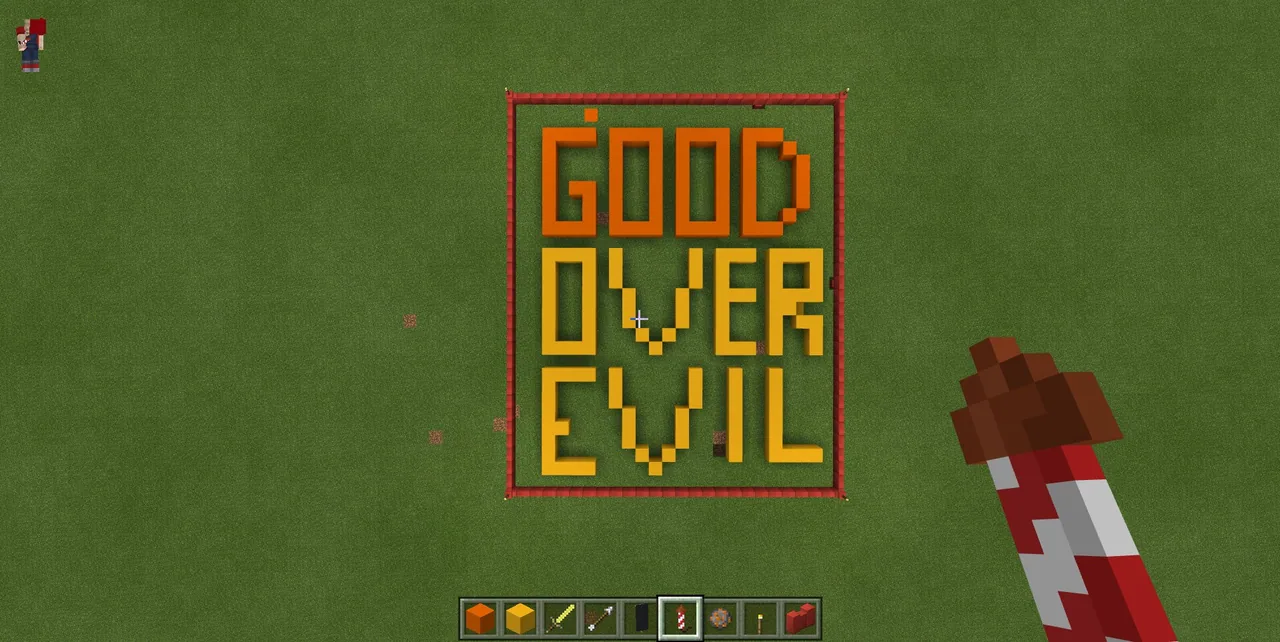
This lesson guides students through a character and values study centered on the ancient narrative of the Ramayana. By examining key narrative events and the decisions made by its characters, learners uncover how literature conveys moral wisdom, explores the conflict of good versus evil, and shapes individual attitudes.
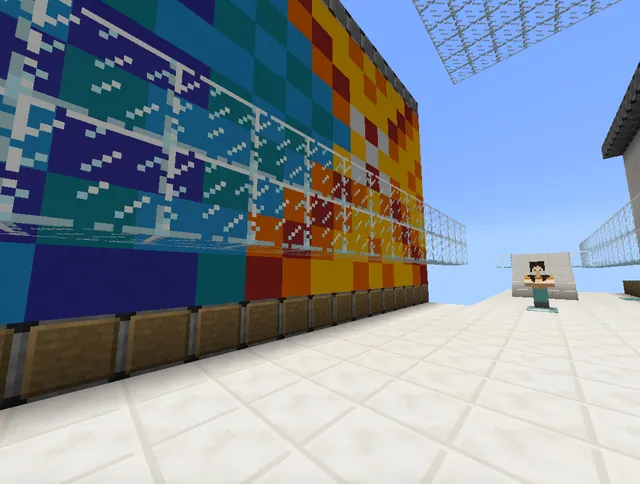
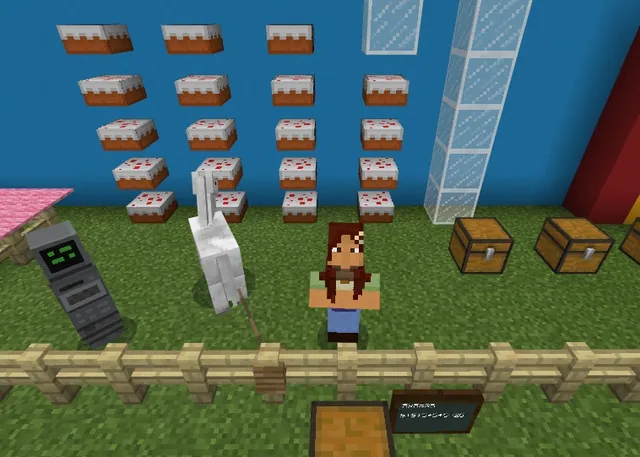
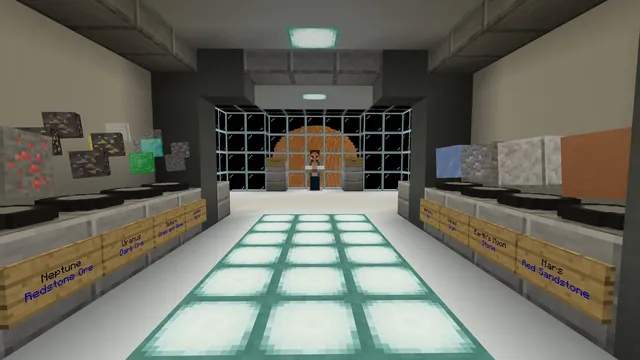
Working collaboratively in a shared Minecraft environment, student groups create an interactive values portfolio. Teams recreate scenes or figures from the text and document lessons learned using in-game communication tools such as slates, posters, boards, signs, NPCs, and the book and quill.
Learning objectives
By the end of this lesson students will be able to:
- Outline the primary narrative arc, central events, and key figures of the Ramayana.
- Analyze how specific character choices and behaviors convey moral lessons and personal values.
- Cite textual evidence that demonstrates the values exemplified by selected characters.
- Construct a collaborative scene or character model in Minecraft that represents a key moral message.
- Present reflections and evidence using storytelling tools including boards, posters, signs, NPCs, and the book and quill.
Blocks and items used in this lesson


Key vocabulary
- Ramayana
- An ancient epic narrative depicting key characters, events, and lessons about morality and duty.
- Epic
- A lengthy narrative recounting significant events and heroic deeds that explore major cultural and moral themes.
- Values
- Core principles or moral standards that guide a person's behavior and choices.
- Portfolio
- A curated collection of work demonstrating learning, reflection, and analysis.
Before class
Lesson sequence
- Introduction & Narrative Overview
Introduce the Ramayana and discuss the central guiding questions regarding what makes a story an epic and how literature explores good versus evil. Review the main narrative events and key figures with the class.
- Character Analysis & Textual Evidence
Distribute the Character Analysis Sheet. In small groups, students discuss and agree upon specific characters or scenes to examine, citing explicit moments from the text where character behavior conveys a clear moral value.
- Collaborative World Building
Student groups join a shared Minecraft world to construct their chosen scenes or character representations. Teams build their visual models while planning how to communicate the underlying moral lessons.
- Storytelling & Documentation
Learners incorporate documentation tools into their builds to form a values portfolio. They use slates, posters, boards, signs, NPCs, and the book and quill to explain the scene and present textual citations.
- Portfolio Walk & Reflection
Groups visit one another's builds in the world, reading the documentation and evaluating the moral insights presented. Conclude with a class reflection on how these lessons influence personal attitudes and daily actions.
Assessment: success criteria
- Student build clearly identifies a scene or character from the Ramayana that communicates a distinct moral value.
- Work includes at least one specific citation or example from the text illustrating the character's behavior.
- Interactive documentation incorporates required tools such as slates, posters, boards, signs, NPCs, or book and quill.
- Student accurately describes the basic narrative arc and key events of the Ramayana.
Differentiation
Provide students with guided excerpts from the text and pre-selected character traits on their analysis sheets to simplify citation.
Challenge advanced learners to program interactive NPC dialogue trees or write multi-page book and quill entries comparing multiple characters' moral dilemmas.
Knowledge check
5 questions to check understanding after the lesson. Tap an answer to see if it is right; the score appears at the end.
1Which core text is the central focus of this character study and values lesson?
Answer: B. The lesson specifically centers on analyzing characters and narrative events from the Ramayana.
2What must students provide to support their claims about a character's moral lessons?
Answer: C. The assessment criteria require students to support assertions with at least one text citation showing character behavior.
3Which combination of Minecraft items is designated for presenting narrative documentation in the world?
Answer: B. The lesson plan specifies using slates, posters, boards, signs, NPCs, and the book and quill to document the portfolio.
4What is the primary purpose of creating the collaborative Minecraft build in this lesson?
Answer: A. The student activity instructs groups to collaborate in the world to assemble a values portfolio based on the epic.
5Which supporting document is used by students to prepare their text-based observations?
Answer: C. The source explicitly lists the Character Analysis Sheet as the supporting file for this lesson.
Resources
Frequently Asked Questions
Does this lesson require a pre-built downloadable world?
No special world download is required. Teachers can set up a standard blank or flat multiplayer world where groups have space to build their scenes collaboratively.
Which in-game items work best for text-heavy citations?
Boards, posters, and the book and quill offer larger text areas for citations and longer explanations, while slates, signs, and NPCs provide excellent bite-sized captions and dialogue.
How are student groups structured for this activity?
Students work in collaborative teams to brainstorm, select a character or scene, divide the building tasks, and document the moral lessons together in the shared world.
Adapted from Epic Victory of Good over Evil by meenakshi uberoi on Minecraft Education, last updated Jun 14, 2018. This classroom version, the timings and the quiz were written by 9Minecraft Education.