- Type
- Lesson plan
- Ages
- Ages 8-13
How can scientists use DNA from elephant dung and seized ivory to map poaching hotspots and protect vulnerable wildlife?
Overview
Wildlife conservation increasingly relies on forensic science to protect endangered species from illegal exploitation. By gathering genetic material from animal traces like dung and confiscated contraband like elephant tusks, scientists can establish regional DNA baselines and trace illegal goods back to their point of origin.
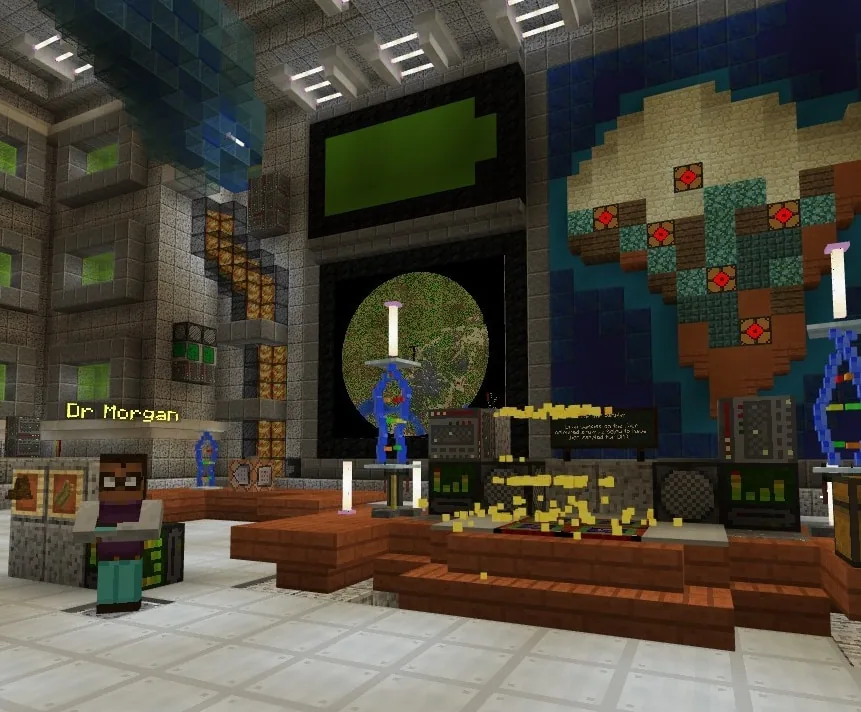
In this lesson, students step into the role of visiting scientists in the We Are the Rangers research lab. Guided by Dr Morgan, they navigate the Minecraft world with a shovel and compass to harvest elephant dung, test seized ivory caches in a DNA Sampler, and record data on an interactive African map to reveal where anti-poaching resources are needed most.
Learning objectives
By the end of this lesson students will be able to:
- Explain how DNA collected from dung and tusks helps identify specific elephant populations.
- Navigate the Minecraft environment with a compass and shovel to gather biological evidence and seized ivory caches.
- Record and match DNA samples using the in-game sampler to track the geographic origin of poached tusks.
- Analyze poaching data to determine where governments and conservation organizations should concentrate protection efforts.
Blocks and items used in this lesson


Key vocabulary
- DNA
- The hereditary material in organisms that carries unique genetic information.
- Ivory
- A hard, white material that forms the tusks of elephants, often targeted by illegal poachers.
- Hotspot
- A specific geographic area experiencing high levels of illegal poaching activity.
- Cache
- A hidden supply or collection of seized items, such as illegal tusks found in poacher camps.
Before class
Lesson sequence
- Context & Scientific Briefing
Have students read 'Map of elephant DNA reveals trail of ivory smugglers' to explore how genetics supports conservation. Introduce their mission: they are visiting scientists in the We Are the Rangers lab working with Dr Morgan to map elephant populations and identify poaching hotspots.
- Lab Orientation & Data Setup
Students launch We Are The Rangers – World Five and meet Dr Morgan in the lab to receive a shovel and compass. Students examine the large wall map of Africa, noting green lights (regions with existing dung DNA samples) and red lights (missing samples). Have students compare this display to a real map of Africa and set up a data table with three columns: Country, Dung Sample Provided, and Ivory sample matched.
- Field Sampling & Completing the Map
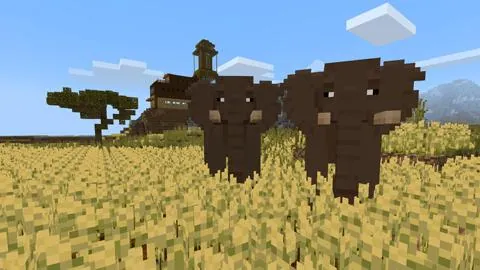
Students head outside and use their compass to track down elephant dung, harvesting it with their shovel. Returning to the lab, they drop the dung into the DNA Sampler by pressing 'Q'. This completes the green lighting across the entire map, proving all populations are mapped, and students update their table with a 'yes' for the final country.
- Investigating Ivory Caches
Students speak to Dr Morgan for instructions, then follow the compass to locate the first illegal ivory cache. After collecting all tusks, they return to the lab and place them into the DNA Sampler one by one. Students watch the wall map to see which country flashes green for each tusk and tally these origins in column three of their table. They repeat this entire process for the second illegal ivory cache.
- Data Analysis & Synthesis
Using their completed data table, students determine which countries suffered the highest levels of poaching. Lead a class discussion on how these findings allow governments and non-governmental organizations to allocate enforcement forces and conservation resources where they will have the greatest impact.
Assessment: success criteria
- Accurate completion of the three-column data table showing the completed dung sample and recorded tusk matches.
- Successful navigation to field sites and correct operation of the DNA Sampler using the drop key.
- Clear explanation of how comparing dung DNA with tusk DNA allows scientists to pinpoint poaching origins.
Differentiation
Allow students to work in scientist pairs so one partner navigates with the compass while the other logs sample results in the table.
Ask students to write a short resource allocation proposal detailing exactly how an anti-poaching team should deploy personnel based on their table results.
Knowledge check
5 questions to check understanding after the lesson. Tap an answer to see if it is right; the score appears at the end.
1What two types of samples do students collect and test to trace elephant poaching?
Answer: B. The lesson specifically tasks students with gathering elephant dung and ivory tusks to run through the DNA Sampler.
2What does a green light represent on the Africa wall map inside the research lab?
Answer: C. Green lights indicate regions where elephant dung has already provided reference DNA samples, while red lights indicate missing samples.
3Which tools does Dr Morgan hand to students before they leave to collect dung?
Answer: A. Dr Morgan supplies students with a shovel to harvest dung and a compass to navigate toward the sample location.
4How do players insert collected samples into the DNA Sampler in the lab?
Answer: D. Students are instructed to hold the sample and press the 'Q' key to drop it directly into the DNA Sampler.
5Why is matching tusk DNA to dung DNA important for conservation groups and governments?
Answer: B. Matching ivory to geographic dung baselines reveals where illegal poaching is concentrated, helping authorities target enforcement resources.
Resources
Part of the Climate Rangers curriculum
This is lesson 1 of 5 in Climate Rangers.
Frequently Asked Questions
Which specific Minecraft Education world file is used for this lesson?
This lesson is designed around the downloadable world titled We Are The Rangers – World Five.
How does the in-game map communicate the origin of a tested tusk?
When a tusk is dropped into the DNA Sampler, a specific regional light on the African wall map flashes green to indicate where that ivory was poached.
What data columns must students track during the lab activity?
Students track three specific columns: Country name, whether a Dung Sample was provided (yes/no), and the number value of Ivory samples matched.
Adapted from Conservation Science by Minecraft Education on Minecraft Education, last updated Jul 21, 2025. This classroom version, the timings and the quiz were written by 9Minecraft Education.