
- Type
- Lesson plan
- Topics
- ScienceClimate Science
- Ages
- Ages 8-13
- Duration
- 1 hour
- Level
- Beginner
How can innovative transit designs reduce greenhouse gas emissions while still meeting society's travel needs?
Overview
Modern society depends heavily on transit networks, yet expanding transport infrastructure creates significant greenhouse gas emissions that drive climate change. This lesson encourages students to examine the environmental trade-offs of global transportation and consider how technical innovation can foster sustainability.
Working collaboratively in small journalistic teams, learners enter a specialized Minecraft world to investigate the problem firsthand. Guided by base camp briefings, students document three exhibit zones using an in-game camera and journal before engineering their own clean transit prototypes.
Learning objectives
By the end of this lesson students will be able to:
- Explain how transportation developments have contributed to increased greenhouse gas emissions.
- Record field observations and photographs using the camera and book and quill.
- Design and construct an innovative low-emission vehicle model in Minecraft.
- Evaluate individual, regional, and global solutions for sustainable travel.
Blocks and items used in this lesson


Key vocabulary
- Greenhouse gas emissions
- Gases released into the atmosphere by human activities that trap heat and warm the planet.
- Sustainability
- Meeting current societal needs without destroying natural resources or harming future generations.
- Mitigation
- Taking actions to reduce or prevent the emission of greenhouse gases.
- Infrastructure
- The fundamental facilities and systems serving an area, such as roads, bridges, and railways.
Before class
Lesson sequence
Suggested timing: about 60 minutes in total.
- Initial Inquiry and Discussion10 min
Present the introductory slides and guide a think-pair-share activity. Prompt small groups to discuss why transportation is vital, how it influences climate change, and how it can be made more sustainable, leaving student misconceptions uncorrected for later reflection.
- Journalistic Fieldwork20 min
Organize students into small teams and load into the base camp, where they receive reporting orders from Emily. Teams tour three distinct zones, review exhibits, engage with characters, and document evidence using the in-game camera.
- Evidence Review and Note-Taking10 min
Direct learners to review their photo portfolio and synthesize their findings inside the book and quill. Allow teams to revisit earlier zones if they need to gather additional details to support their reporting.
- Future Transit Build Challenge15 min
Challenge students to engineer a future-ready transit solution in Minecraft. Learners may design suggested concepts like hydrogen-powered cars, magnetic trains, or solar boats, or invent a completely original vehicle.
- Debrief and Reflection5 min
Convene the class to revisit the opening questions and reflect on their reporting journey. Discuss new discoveries, whether electric cars are the sole answer, and how people can take climate action locally and globally.
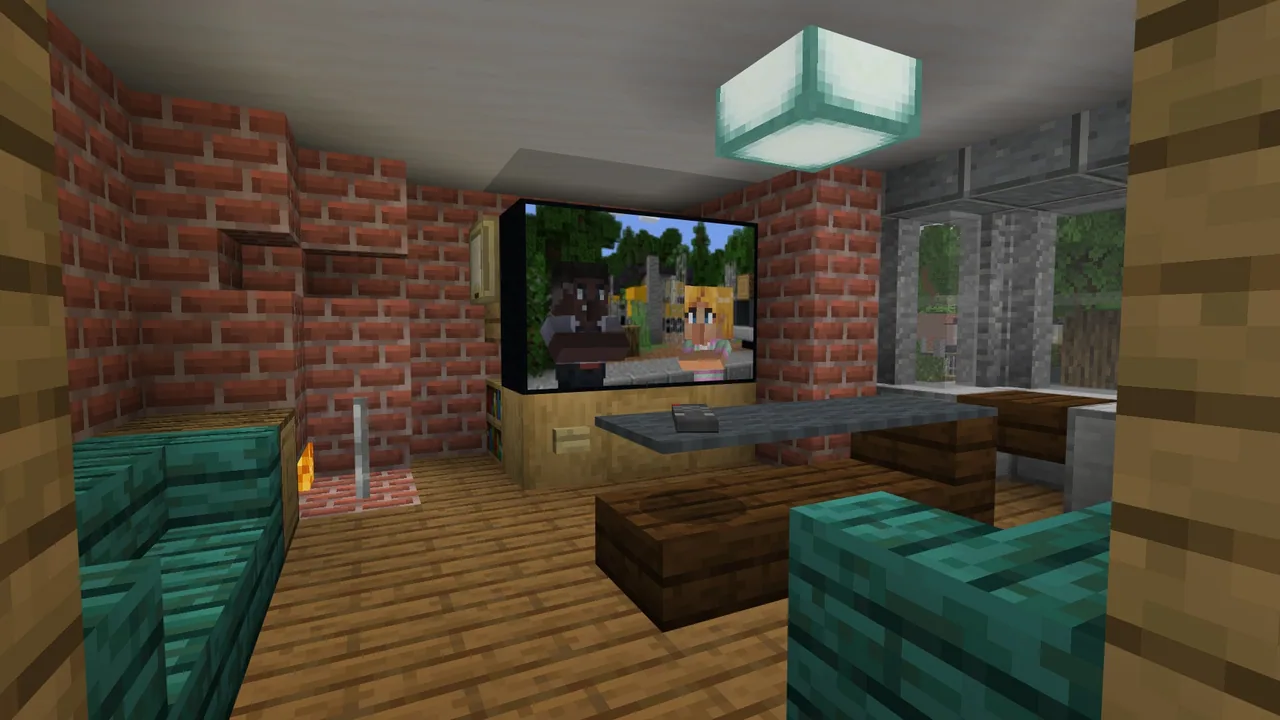
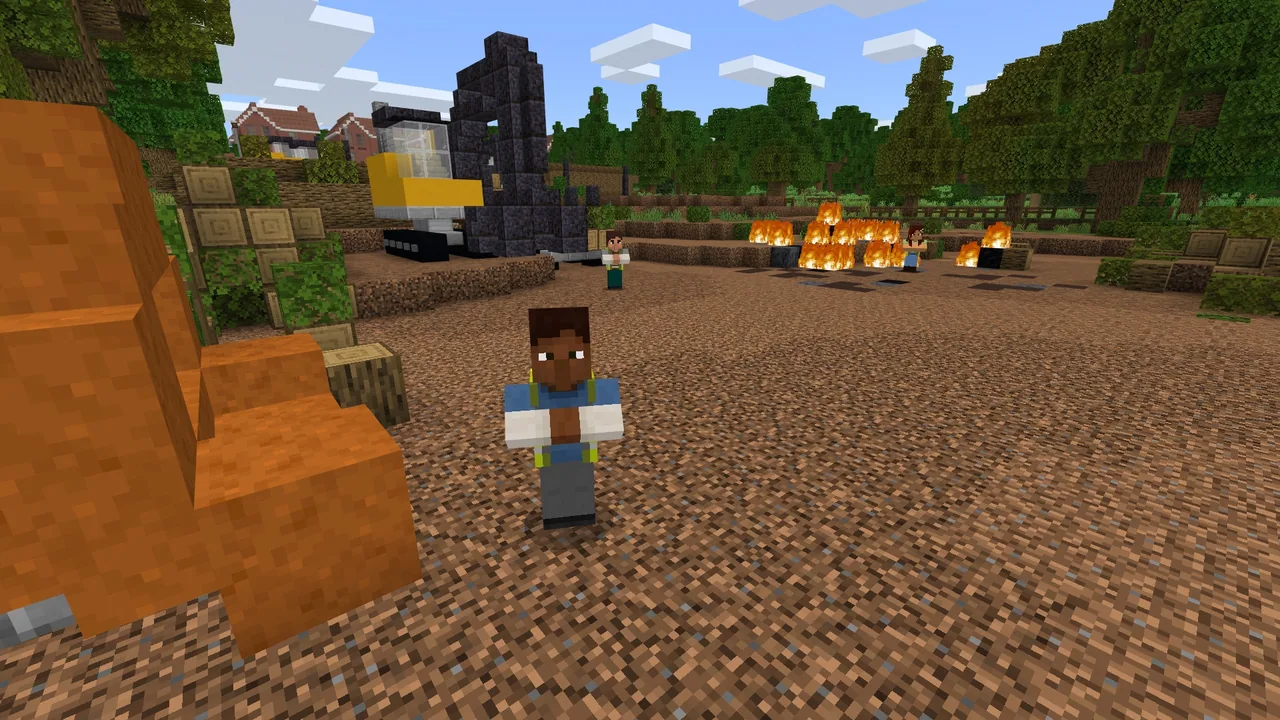
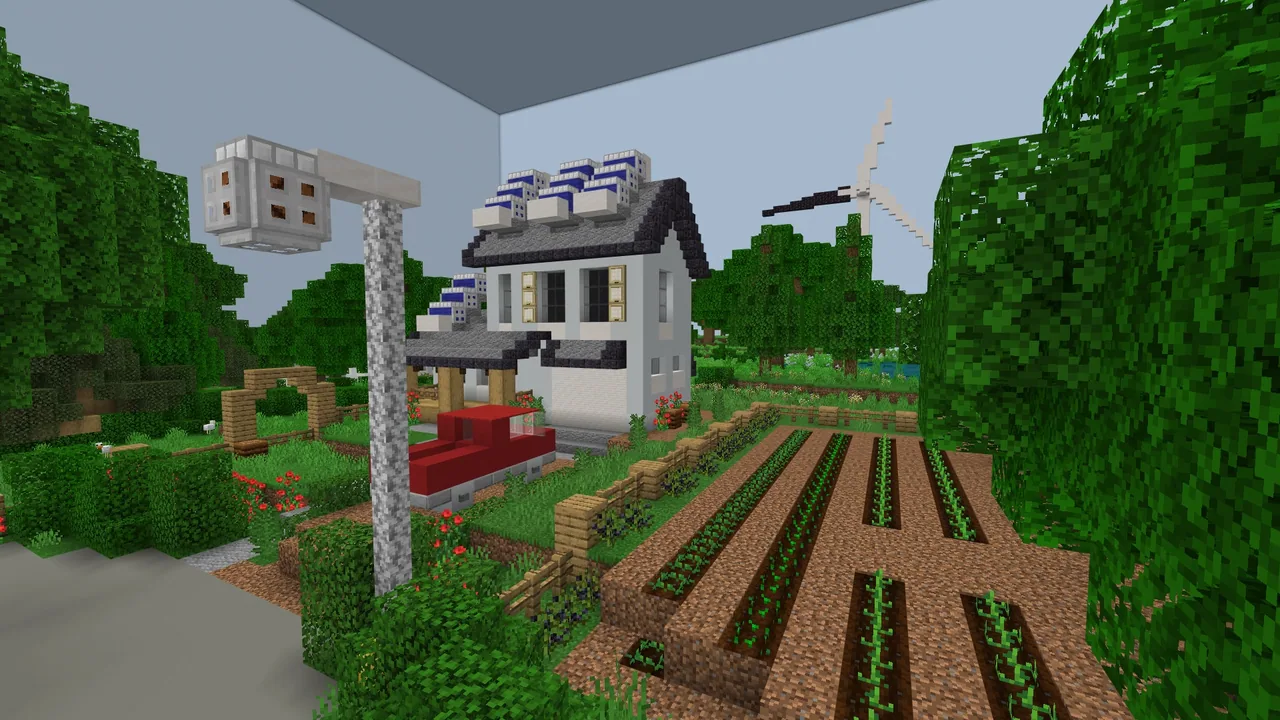
Inside the lesson world
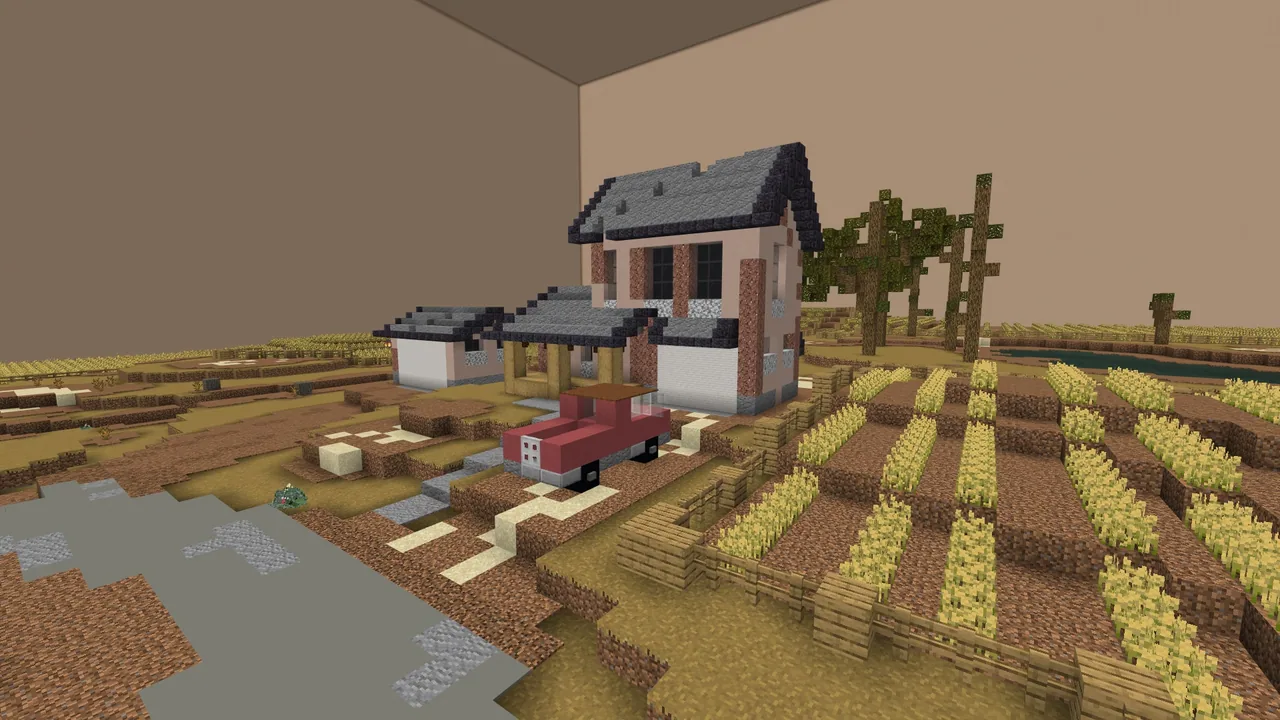
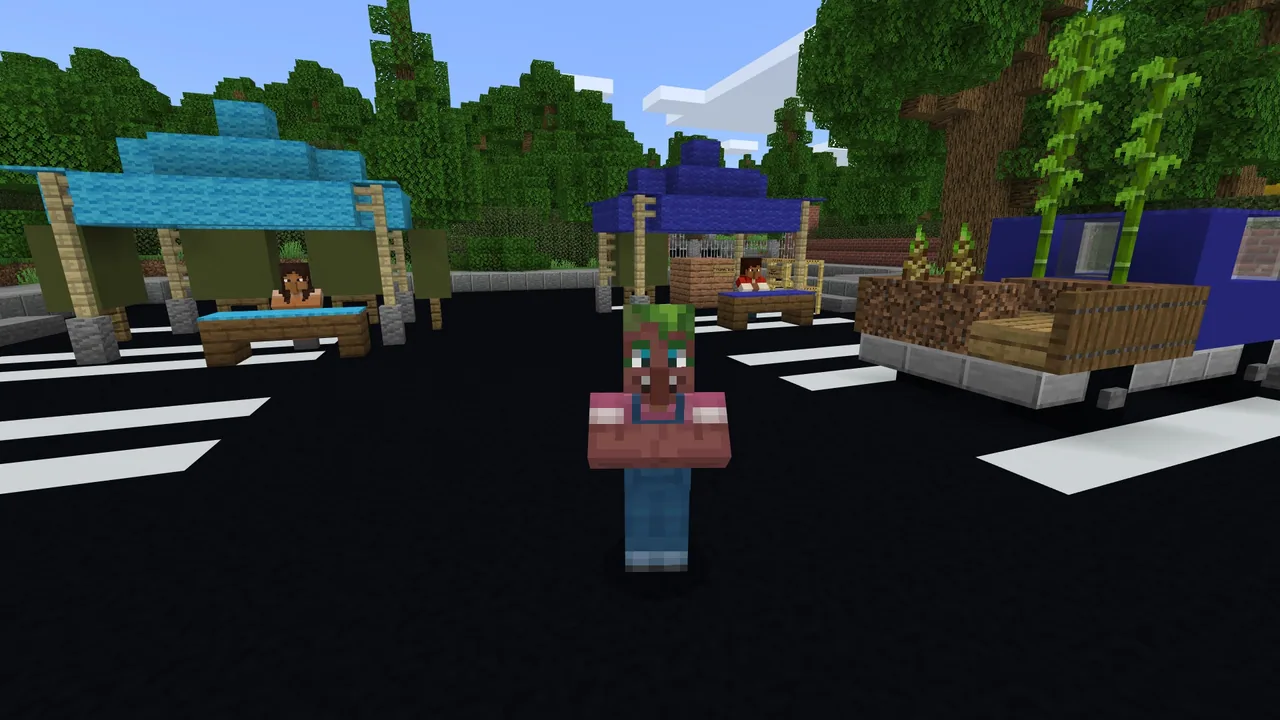
Assessment: success criteria
- Students clearly describe the link between transportation growth and rising greenhouse gas levels.
- Teams assemble a documented field journal containing photos and reflections from the three Minecraft zones.
- Learners construct a working model of an alternative or sustainable transit vehicle.
- Students identify realistic steps that individuals and communities can take to lessen transport emissions.
Differentiation
Allow students to divide reporting responsibilities so one partner captures photos while another compiles brief notes using simple sentence starters.
Encourage advanced builders to combine multiple green technologies, such as hybrid solar and magnetic power, within their transit models.
Knowledge check
5 questions to check understanding after the lesson. Tap an answer to see if it is right; the score appears at the end.
1Which character introduces the reporting mission to students at base camp?
Answer: C. The lesson instructions specify that Emily briefs the student teams upon their arrival at base camp.
2Which in-game tools are required for students to document their investigative reporting?
Answer: A. Learners take photographs with the camera and compile their journalistic notes inside a book and quill.
3How many separate areas in the Minecraft world are teams assigned to inspect?
Answer: D. The student activity instructions direct learners to visit three distinct exhibit areas.
4What design task must learners complete to consolidate their learning?
Answer: B. The final challenge instructs students to design a future transit mode such as a hydrogen car or solar boat.
5Why does the teacher withhold corrections to student misconceptions during the opening discussion?
Answer: A. Misconceptions are left uncorrected initially so students can reassess their own thinking during the final reflection.
Resources
- Lesson package (.zip)Everything the author attached to this lesson in one download.
- Climate Change Wellbeing GuideA detailed guide to support wellbeing when dealing with climate change.
- Climate Futures Transportation PowerPointLesson Plan and Lesson Guide.
- Lesson worldOpens the world page in Minecraft Education (sign-in with a school account may be needed).
Frequently Asked Questions
What should teams do if they need more evidence for their book and quill?
Learners are encouraged to backtrack to earlier areas of the world at any point to gather missed facts or capture better photographs.
Are students limited to building the specific vehicle examples provided?
No, while ideas like hydrogen cars, solar boats, and magnetic trains are offered as prompts, students are free to build an original design.
Adapted from Climate Futures - Transportation by Minecraft Education on Minecraft Education, last updated Sep 29, 2025. This classroom version, the timings and the quiz were written by 9Minecraft Education.






































