- Type
- Lesson plan
- Topics
- ScienceClimate Science
- Ages
- Ages 8-13
- Duration
- 1 hour
- Level
- Beginner
How does mass agriculture impact the environment, and what sustainable methods can reduce its carbon footprint?
Overview
In this lesson, students investigate the relationship between mass food production and climate change. Through guided discussions, they examine where everyday food comes from, trace the food supply chain, and evaluate the environmental consequences of modern agricultural methods on local, national, and global scales.
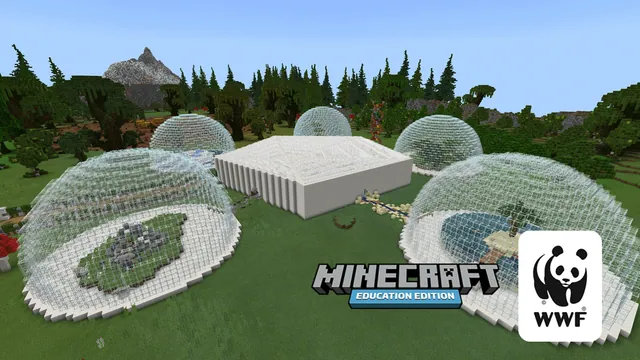
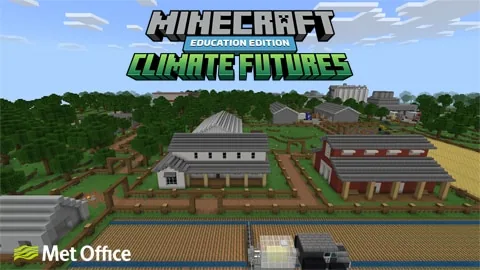
Working in small teams, learners explore a dedicated Minecraft world as investigative reporters. They visit three distinct exhibits, interview an NPC named Emily, photograph evidence, document notes, and apply their findings by constructing a sustainable rooftop farm on top of a hospital.
Learning objectives
By the end of this lesson students will be able to:
- Explain how mass food production and the supply chain contribute to climate change.
- Document observations and evidence using the in-game camera and book and quill.
- Identify sustainable agricultural strategies that minimize environmental harm.
- Design and justify an urban rooftop farm that supports hospital patients while reducing emissions.
Blocks and items used in this lesson


Key vocabulary
- Agriculture
- The practice of farming, including cultivating soil, growing crops, and raising animals for food.
- Food Supply Chain
- The entire sequence of processes involved in producing, processing, transporting, and selling food.
- Carbon Footprint
- The total amount of greenhouse gases generated by human actions, including food production.
- Urban Farm
- Agricultural growing systems situated within towns or cities, such as on building rooftops.
Before class
Lesson sequence
Suggested timing: about 60 minutes in total.
- Warm-up Discussion10 min
Engage students in a think, pair, share routine using opening presentation prompts. Ask them where food comes from, how it reaches our plates, and how production impacts the planet. Review discussion images together without correcting initial misconceptions yet.
- Journalism Briefing5 min
Divide students into groups of four and guide them into base camp in the Minecraft world. Outline their mission as investigative reporters gathering evidence about farming practices.
- World Investigation20 min
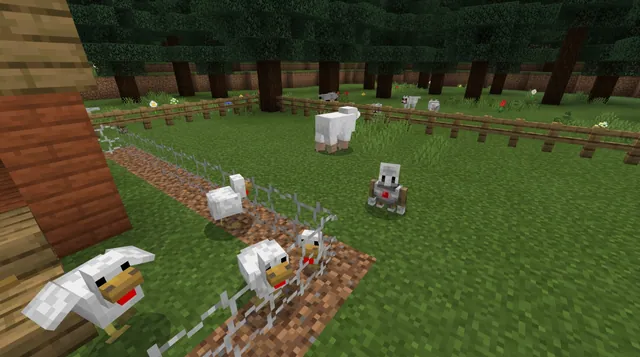
Teams travel through three distinct world zones, speaking with the NPC Emily. Students take photographs of key exhibits and use their book and quill to record reflections and notes on food production and deforestation.
- Rooftop Farm Build15 min
Students collaborate to design an urban farm on a hospital roof. The build must produce food for patients while actively reducing the facility's carbon footprint.
- Sharing and Reflection10 min
Students present their rooftop designs and explain their choices. Revisit the opening questions to clear up early misconceptions and discuss individual, local, and global actions to reduce agricultural impacts.
Inside the lesson world
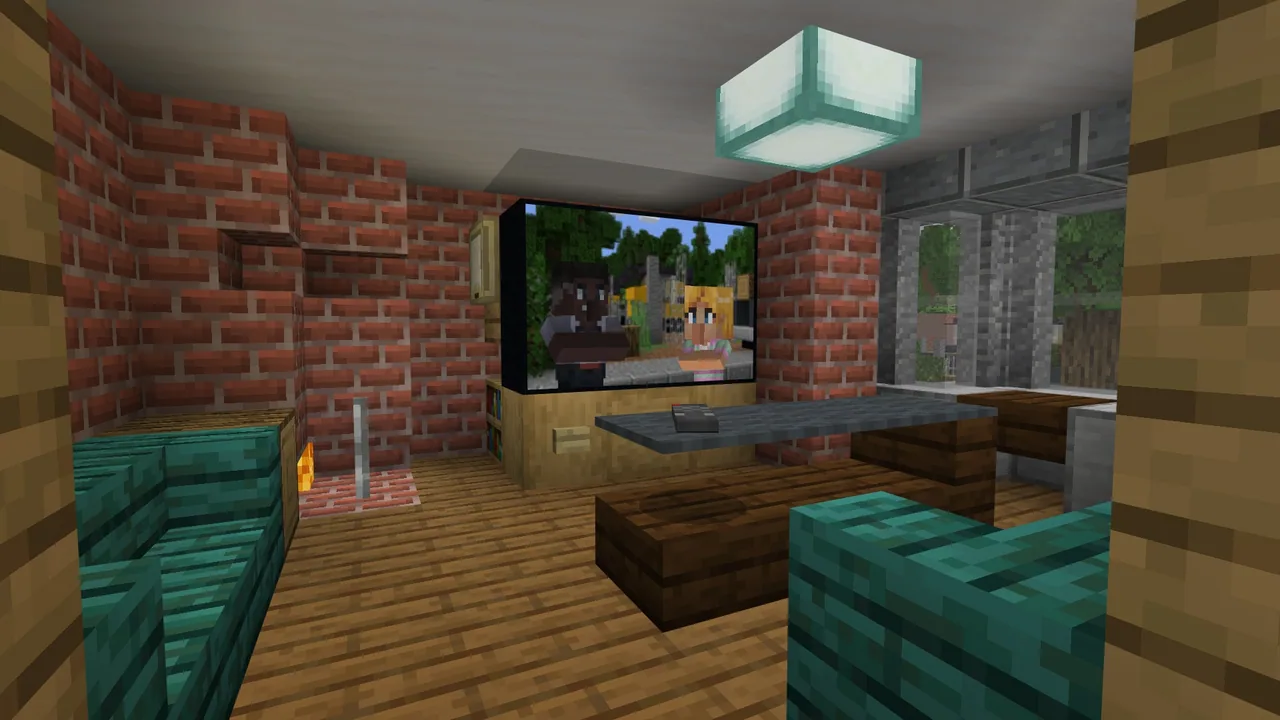
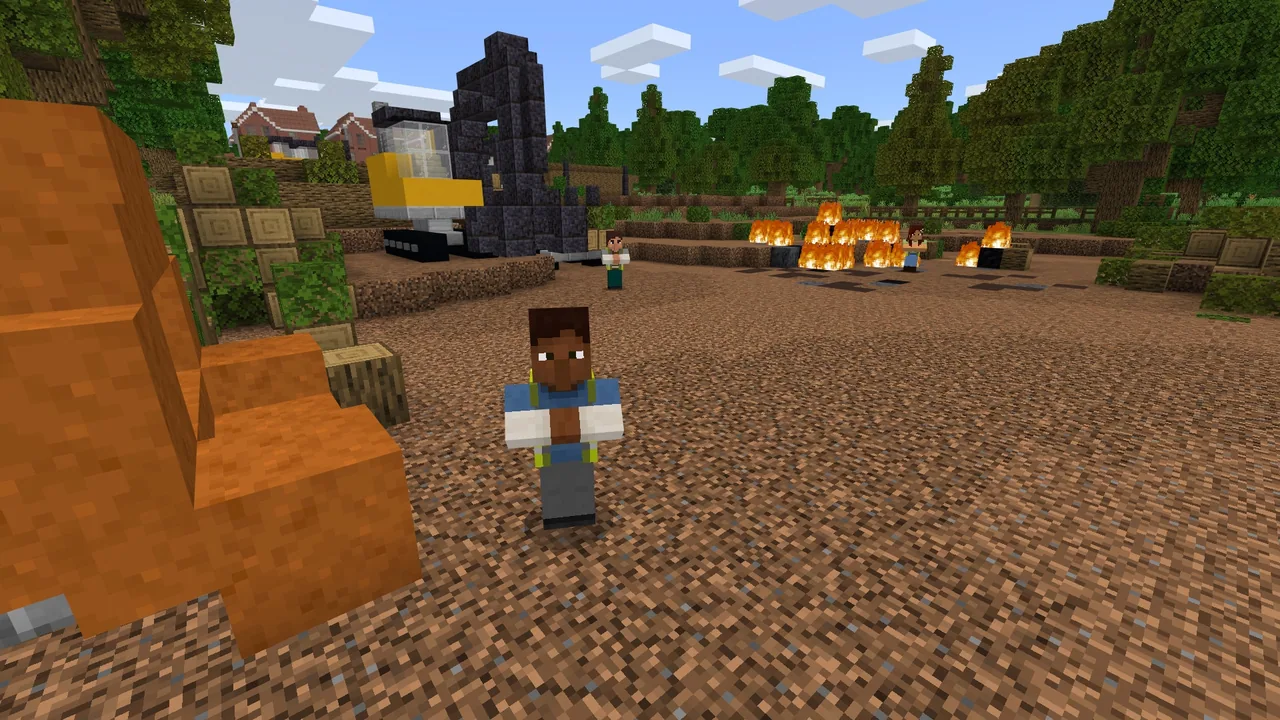
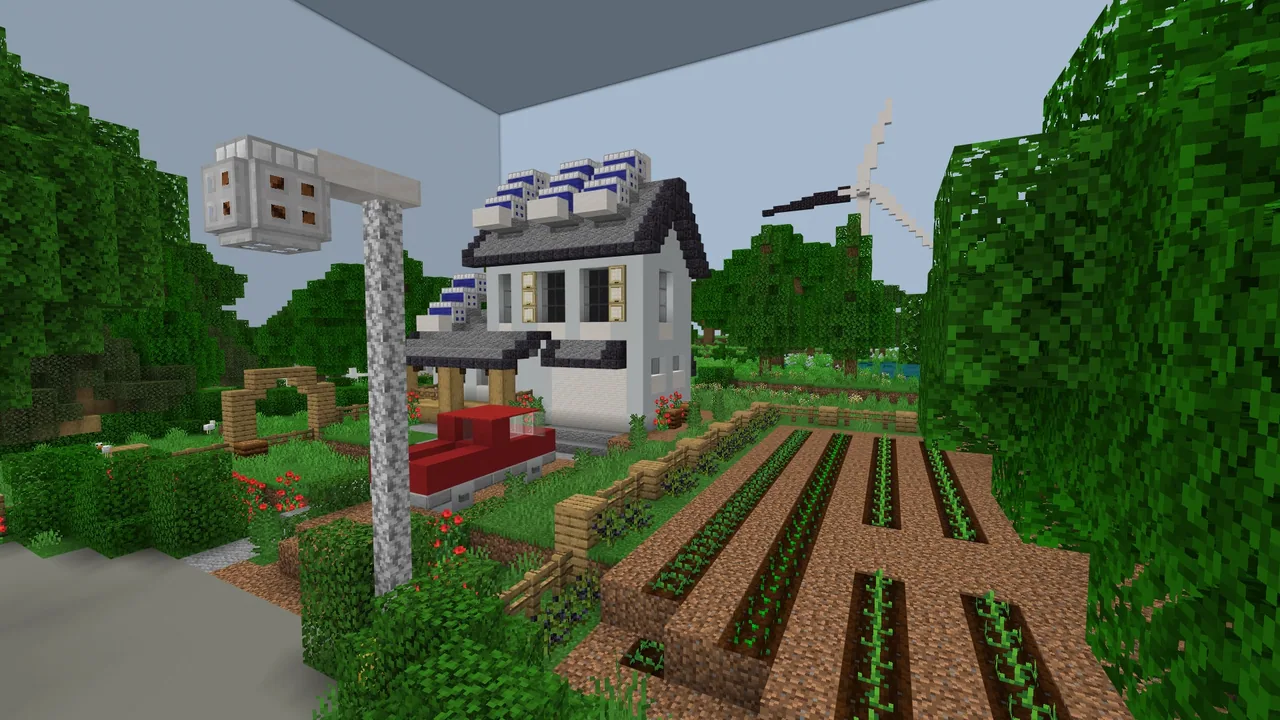
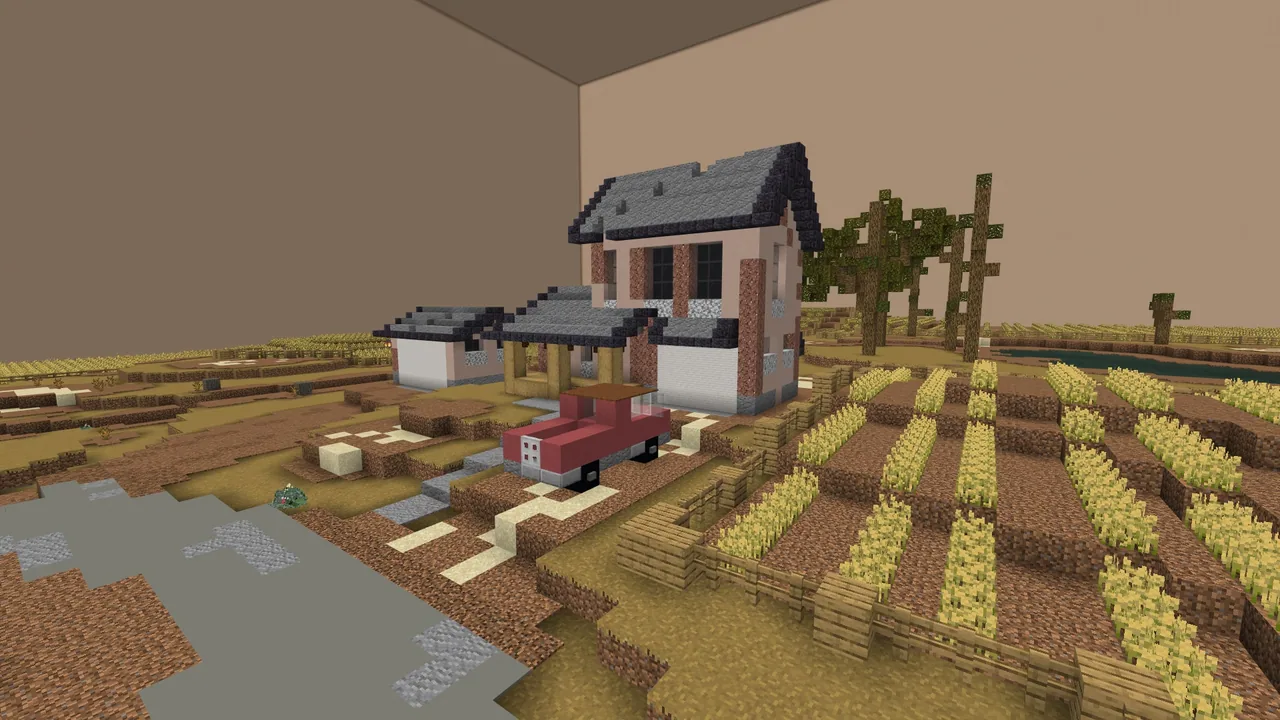
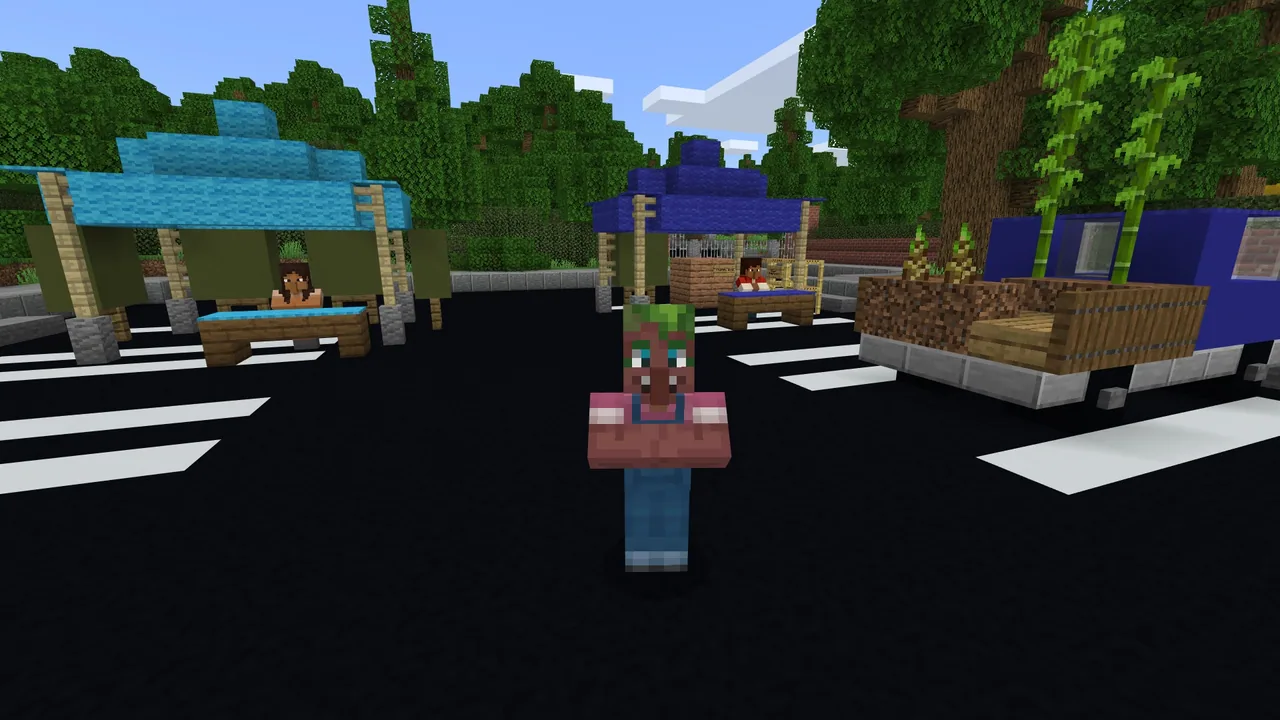
Assessment: success criteria
- Student books and quills contain recorded reflections and photos from all three investigation areas.
- The hospital rooftop farm build incorporates features intended to grow food for patients and lower the building's carbon footprint.
- Students can explain the connection between mass agriculture, deforestation, transport, and climate change during the debrief.
- Learners propose realistic strategies for mitigating environmental damage from farming.
Differentiation
Activate Immersive Reader in Minecraft to read NPC dialogue aloud and assist emerging readers.
Have students evaluate how global population growth will affect transport and land use, proposing additional mitigation methods.
Knowledge check
5 questions to check understanding after the lesson. Tap an answer to see if it is right; the score appears at the end.
1What role do students adopt during their Minecraft exploration?
Answer: A. The lesson briefs students to explore the Minecraft world as investigative journalists on a reporting assignment.
2Which non-player character (NPC) guides students and provides dialogue in the world?
Answer: C. The activity instructions state that students interact with Emily the NPC across the three areas.
3Which in-game items are used to record evidence and make notes during the investigation?
Answer: B. A short tutorial and the activity steps explain that students document findings using the camera and book and quill.
4What specific construction challenge are students assigned to complete?
Answer: D. Students are tasked with consolidating their learning by designing an urban farm on the roof of a hospital.
5What are the two stated purposes of the hospital rooftop farm design?
Answer: A. The source specifies that the rooftop farm should help feed hospital patients and reduce the hospital's carbon footprint.
Resources
- Lesson package (.zip)Everything the author attached to this lesson in one download.
- Climate Change Wellbeing GuideA detailed guide to support wellbeing when dealing with climate change.
- Agriculture PresentationClass discussion Powerpoint presentation.
- Lesson worldOpens the world page in Minecraft Education (sign-in with a school account may be needed).
Frequently Asked Questions
What size groups should students work in?
Students should be organized into teams of four to enter base camp and complete the investigation and building tasks collaboratively.
How can I help students who struggle with reading in-game text?
Students can use Immersive Reader within Minecraft to listen to NPC dialogue and text read aloud in multiple languages.
When should student misconceptions about food production be corrected?
Misconceptions should not be corrected during the initial warm-up discussion; instead, revisit and resolve them during the final reflection after gameplay.
Adapted from Climate Futures: The Farm by Minecraft Education on Minecraft Education, last updated Sep 29, 2025. This classroom version, the timings and the quiz were written by 9Minecraft Education.