- Type
- Lesson plan
- Ages
- Ages 8-13
- Includes
- Quiz: 5 questionsLesson files
How can we research and recreate a significant historical event as an interactive digital diorama?
Overview
Studying historical events and the people who shaped them helps students understand how the past influences the present. By examining primary resources such as period songs, poetry, stories, and artwork, learners gain rich historical context and uncover the primary causes and consequences of key milestones.
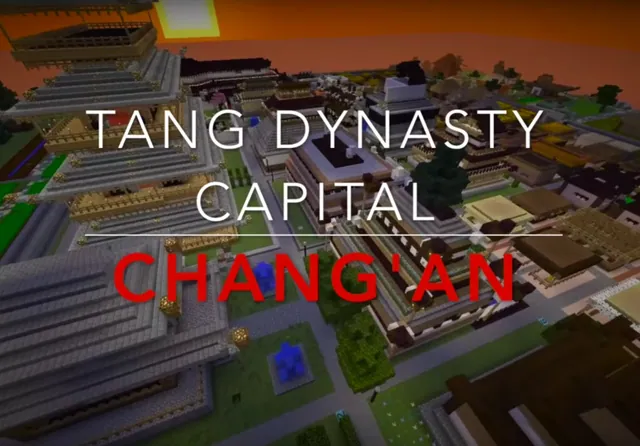
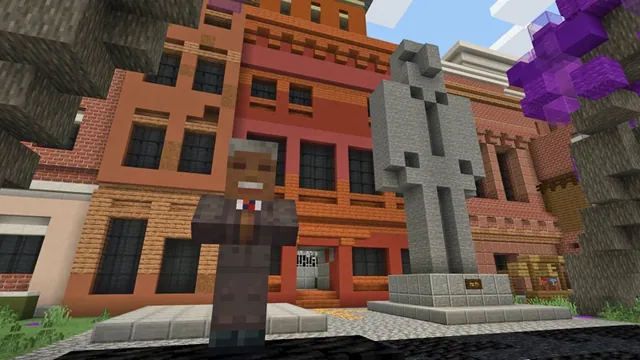
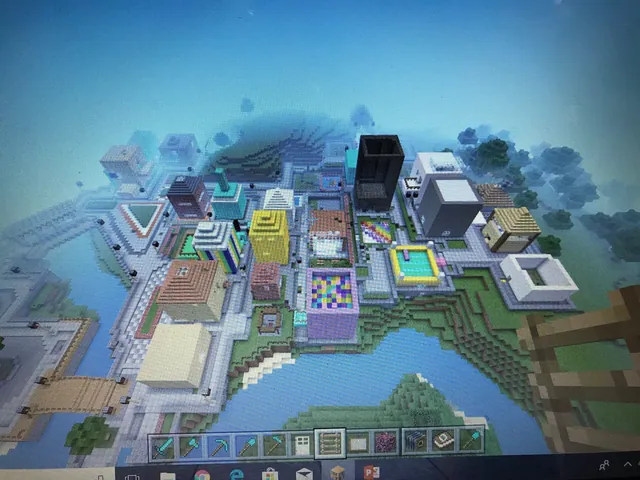
Students synthesize their historical inquiry by constructing an interactive diorama in Minecraft. Working in pairs, learners recreate historical environments and infrastructure, write scripts for non-player character guides, and produce a recorded video tour explaining the event to an audience.
Learning objectives
By the end of this lesson students will be able to:
- Investigate primary sources and online materials to determine the causes and effects of a significant historical event.
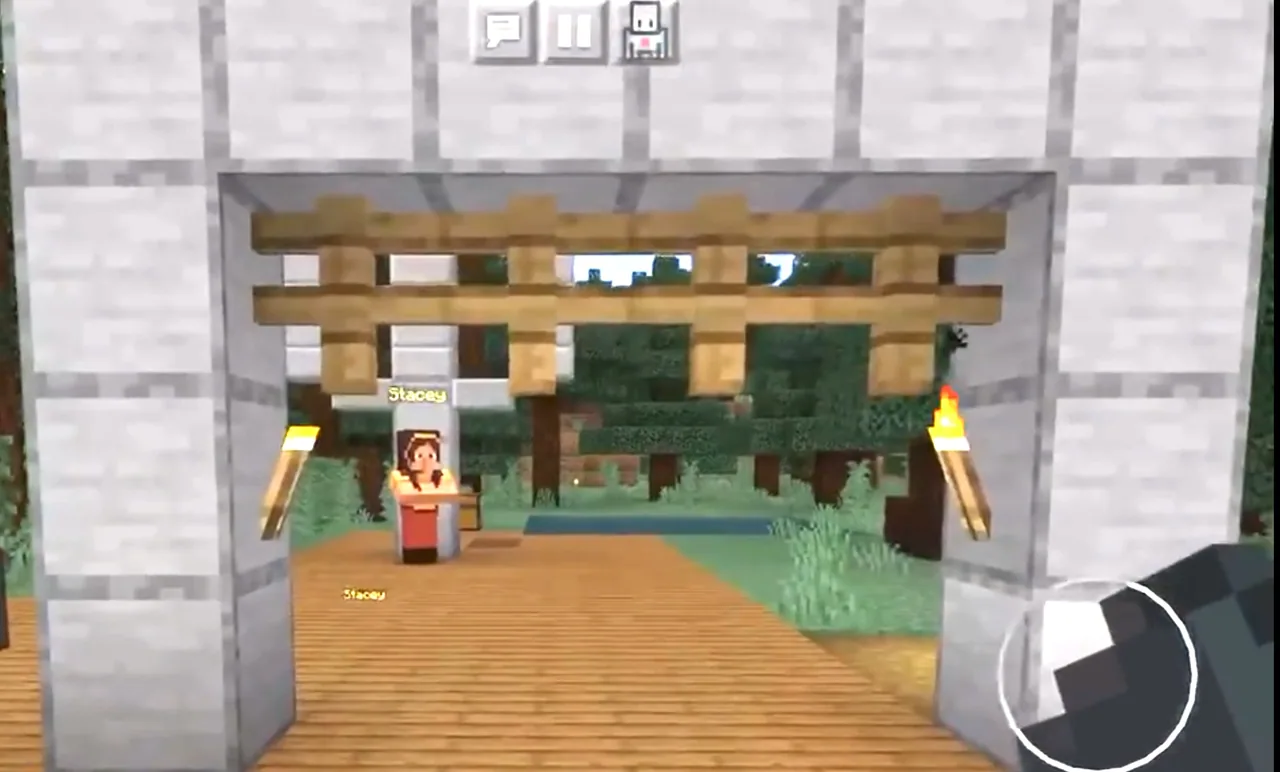
- Write storyboards and dialogue scripts for an NPC tour guide to lead visitors through an interactive scene.
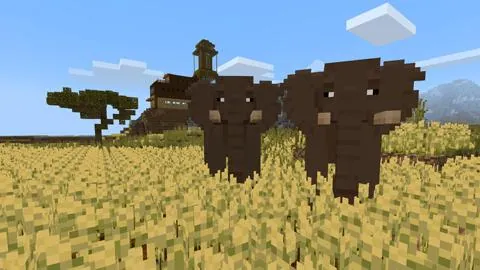
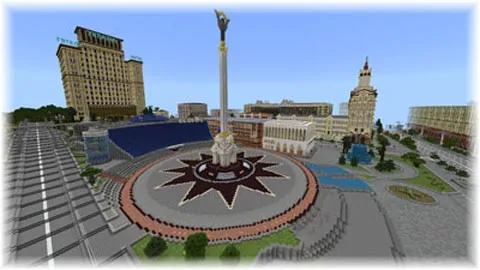
- Construct a Minecraft diorama that accurately represents historical infrastructure, buildings, and environmental conditions.
- Record a guided tour video explaining the historical context, causes, and consequences of the event.
Blocks and items used in this lesson


Key vocabulary
- Diorama
- A three-dimensional physical or digital scene designed to recreate a moment in time.
- Primary Source
- An artifact, document, artwork, or recording created during the actual time period under study.
- NPC (Non-Player Character)
- A character in Minecraft programmed to deliver dialogue and information to players.
- Cause and Effect
- The relationship between an initial event or action and the subsequent results that follow.
Before class
Lesson sequence
- Historical Immersion & Topic Selection
Immerse students in the historical period using primary materials such as stories, poems, paintings, and songs. Have students form pairs and select one event from a curated list of six to eight historical moments.
- Research & Storyboarding
Pairs conduct online research to identify what happened, when it took place, and its primary causes and consequences. Students then create storyboards and write dialogue scripts for an NPC tour guide that will explain the scene to visitors.
- Diorama Construction
Students identify key environmental features, housing styles, and infrastructure required to represent the setting accurately. Working in Minecraft, pairs build their digital diorama while regularly reviewing their work against the project rubric.
- Peer Review & Refinement
Pairs visit each other's worlds to tour the digital displays and test the NPC scripts. Using the museum display rubric, students provide constructive recommendations for changes to improve historical accuracy and presentation.
- Video Recording & Assessment
Students record a summation video featuring a guided tour through their Minecraft diorama, narrating the causes and effects of the event. Teachers evaluate student engagement, the completed world file, and the video against the rubric.
Assessment: success criteria
- Accurate recreation of historical buildings, infrastructure, and environmental conditions within the Minecraft world.
- Clear identification and explanation of historical causes and subsequent events within the NPC script and video.
- Active participation in peer feedback sessions and effective self-monitoring using the rubric.
- Completion of a guided tour video walking an audience through the historical moment.
Differentiation
Provide graphic organizers and pre-selected source excerpts to guide research and tour guide scripting.
Challenge learners to script multiple perspective-taking NPCs or represent secondary consequences within the surrounding environment.
Knowledge check
5 questions to check understanding after the lesson. Tap an answer to see if it is right; the score appears at the end.
1Before opening Minecraft, how do students first explore the historical time period?
Answer: B. Students are immersed in the historical period through primary resources including songs, poems, stories, and paintings before building.
2What role does the non-player character (NPC) serve in the Minecraft diorama?
Answer: A. Students storyboard and script an NPC tour guide to lead visitors through their digital diorama.
3What key historical relationships do students need to identify during their research?
Answer: C. Research requires students to determine what happened, when it took place, and the primary causes and subsequent events.
4How do students use the project rubric during the building process?
Answer: C. Students reflect on their progress using the rubric and use it during peer review sessions to recommend changes.
5What final media product do students create to summarize their historical work?
Answer: B. Students record a summation video providing a guided tour that outlines the causes and effects of the event.
Resources
Frequently Asked Questions
Do students need a pre-built world template for this lesson?
No custom world download is required. Students build their dioramas directly in standard worlds using details gathered from their research on period housing, infrastructure, and local environmental conditions.
How should student groups be organized?
The lesson is designed for students to work in pairs as they select a topic, research causes and effects, write NPC scripts, construct their diorama, and record the walkthrough.
Adapted from Tour an Historical Event by Victorian Minecraft Innovators on Minecraft Education, last updated Apr 27, 2021. This classroom version, the timings and the quiz were written by 9Minecraft Education.