How can we test, modify, and confirm hypotheses about water behavior using the scientific method?
Overview
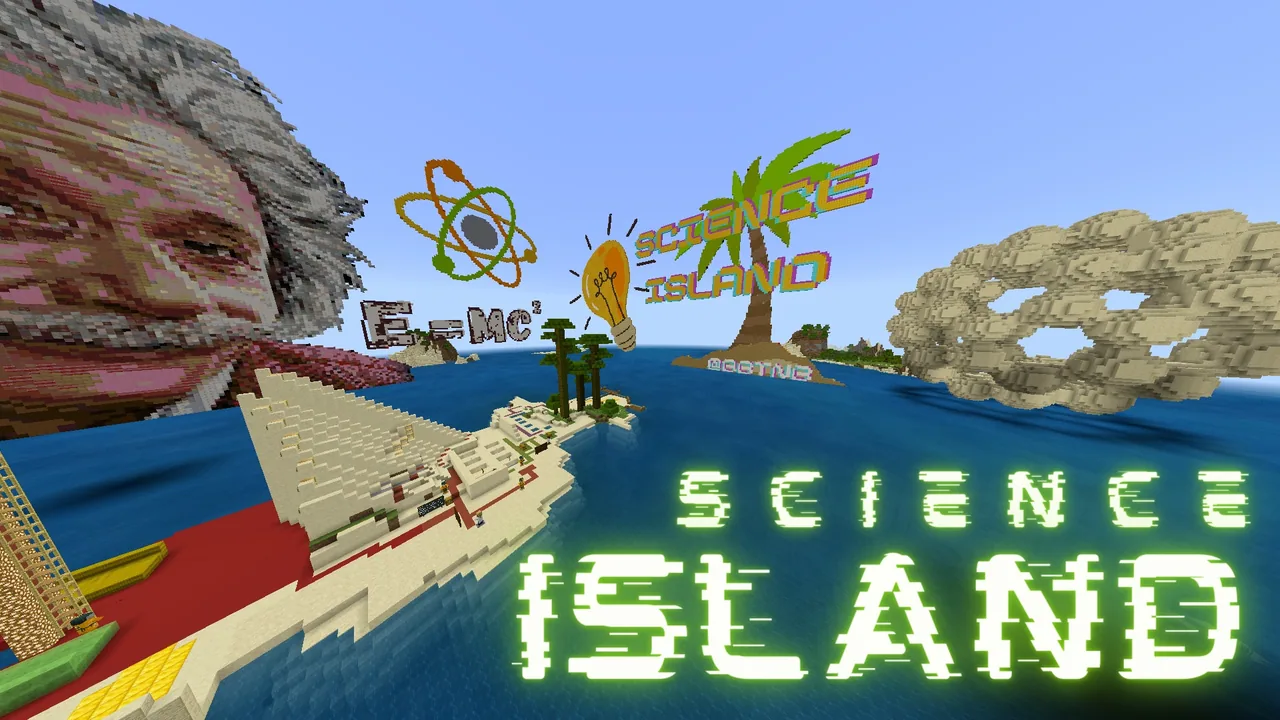
Science Island provides an experimental environment where learners of all ages practice the foundational stages of the scientific method. By exploring water behavior in a controlled setting, students learn to formulate educated guesses, run direct tests, analyze their results, and revise their ideas into evidence-backed statements of truth.
Using Minecraft Education, students travel through five distinct lab stations beginning at spawn. They record observations and photographic evidence in their portfolios, restore each testing area after use, and deposit their completed findings into the in-game Cave of Knowledge.
Learning objectives
By the end of this lesson students will be able to:
- Formulate an educated guess before conducting an experiment at each lab station.
- Test and modify a working hypothesis using direct observations and evidence.
- Document findings, photos, and final truth statements in a portfolio for review.
- Reset experimental equipment and tidy up the virtual lab area after each test.
Blocks and items used in this lesson


Key vocabulary
- Hypothesis
- An educated guess or testable statement explaining what will happen in an experiment.
- Observation
- Detailed notes and evidence gathered by watching an experiment closely.
- Scientific Method
- A step-by-step process of guessing, testing, observing, and modifying ideas to find the truth.
Before class
Lesson sequence
- Orientation and Hypothesis Formulation
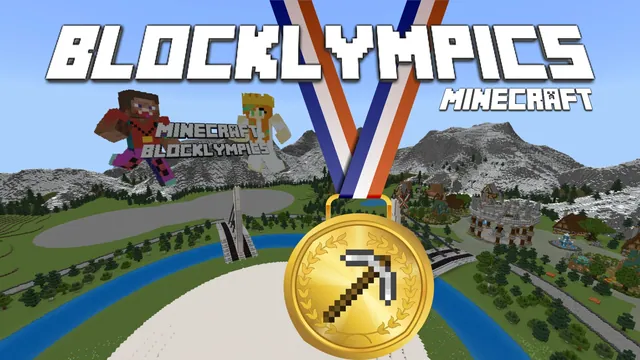
Introduce the scientific method using the title card and graphic. Direct students to spawn on Science Island and guide them to their first station, where they record an initial educated guess about water behavior on their worksheet.
- Lab Station Investigations
Students progress through all five water behavior stations in numerical order. At each station, they test their initial prediction, observe the results, and modify their hypothesis to form a final truth statement.
- Data Collection and Lab Maintenance
At every station, learners take camera snapshots and write detailed observation logs inside their portfolios. Students must reset the experimental mechanics and clean up the testing site before moving to the next station.
- Synthesis in the Cave of Knowledge
Students conclude by depositing their verified hypotheses in the Cave of Knowledge and submitting portfolios to the teacher. For a closing activity, students can catch a fish in the Pool of Wisdom.
Assessment: success criteria
- All five water behavior stations are completed in order starting from spawn.
- Student portfolios contain clear photographic evidence and written observation notes for every station.
- Each station entry includes both an initial guess and a modified final hypothesis.
- Hypotheses are submitted to the Cave of Knowledge and lab areas are left tidy.
Differentiation
Allow students to work in small teams to complete observations and discuss their hypothesis modifications together.
Have students design a sixth water experiment on the undeveloped island area or study the famous scientists along the connecting path.
Knowledge check
5 questions to check understanding after the lesson. Tap an answer to see if it is right; the score appears at the end.
1What specific in-game mechanic do students investigate across the lab stations?
Answer: B. The activities focus on exploring water behaviour across five stations.
2What should students do after testing their initial educated guess at a station?
Answer: C. Students test their hypothesis and then modify it to create a final truth statement.
3Where are students expected to place their final hypotheses upon finishing the stations?
Answer: A. Students add their final hypotheses to the Cave of Knowledge as part of the assessment.
4What practical lab habit must students demonstrate before moving to the next station?
Answer: B. A core learning objective is resetting the experiment and tidying up the lab atmosphere.
5What optional activity can students complete at the Pool of Wisdom for fun?
Answer: B. The performance expectations mention catching a fish in the Pool of Wisdom for fun at the end.
Resources
- Lesson package (.zip)Everything the author attached to this lesson in one download.
- Science Island Project Title CardTitle Card
- Island OverviewOverview of some experiments
- Screen Shot 2Screen Shot 2
- Opening DirectionsDirections
- Science Island 2021 - LESSON PLANLesson scope and sequence help
- Student Observation and Hypothesis Worksheet - Print ThisPrint this handout if not using in-game lab book
- Scientific Method GraphicShows 7 key steps
- Lesson worldOpens the world page in Minecraft Education (sign-in with a school account may be needed).
Frequently Asked Questions
Can students complete the lab stations in any order?
Students should complete the five stations in numerical order starting directly from the spawn location.
Can students work in groups during this lesson?
Students can complete the stations either individually or collaboratively in teams as they test and refine their hypotheses.
What extension activities are available for early finishers?
Fast finishers can create a sixth experiment on the undeveloped portion of the island or study the famous historical scientists placed along the bridge between islands.
Adapted from Science island 2021 - UPDATED! by Benjamin Kelly on Minecraft Education, last updated Jul 1, 2021. This classroom version, the timings and the quiz were written by 9Minecraft Education.