- Type
- Lesson plan
- Grade
- Primary (Grades 3-5)
- Ages
- Ages 8-10
- Includes
- Quiz: 5 questions
What do the patterns in artwork tell us about a culture and their beliefs?
Overview
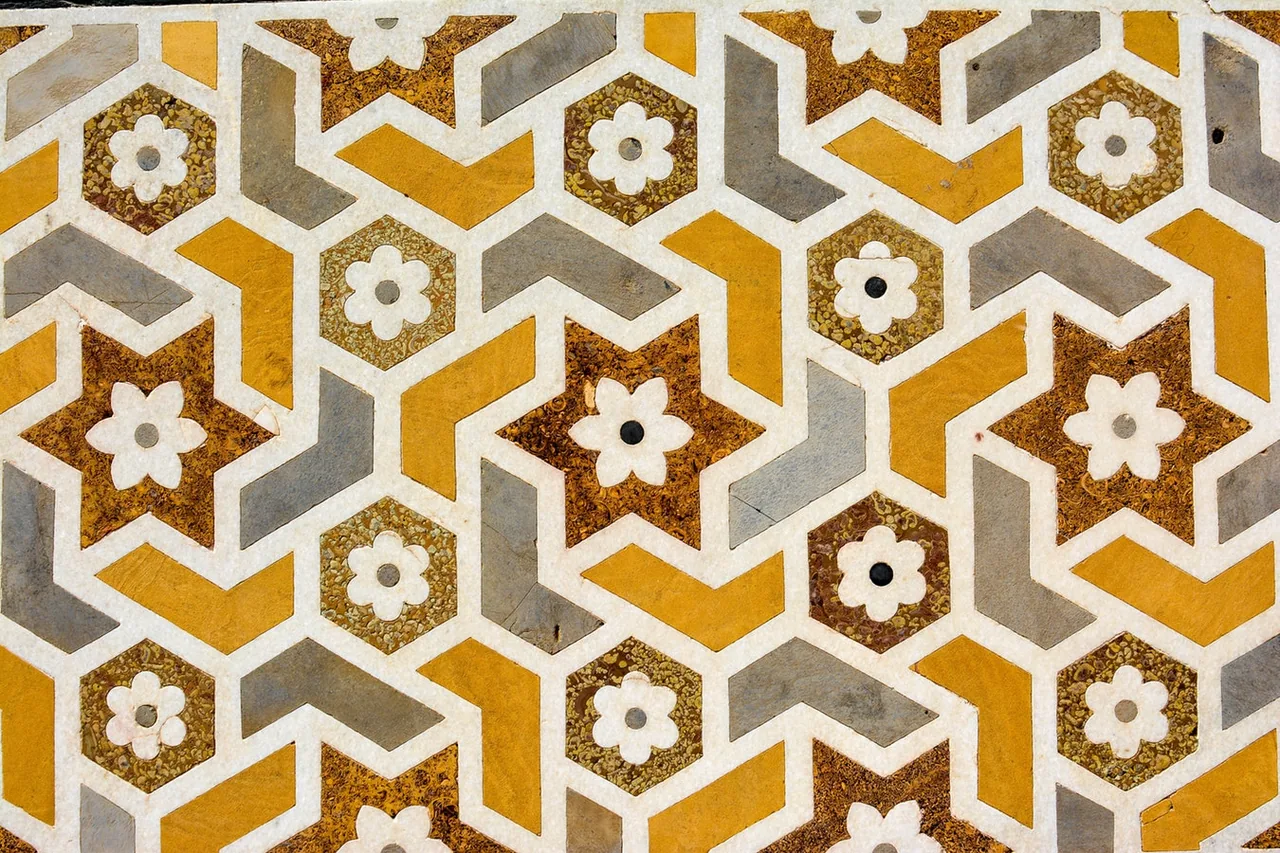
In this cross-curricular lesson, students explore how patterns, colors, and shapes reflect the cultural values and historical beliefs of societies worldwide. Working in collaborative teams, learners analyze sample artwork to discover its geographic origins and understand the functional and spiritual roles art played within that community.
Before moving to digital creation, students map their thinking using structured inquiry charts and translate traditional cultural motifs into scaled drafts on grid paper. This preparatory design work ensures students understand scale, proportion, and detail as they prepare to build elements of a cultural village.
Learning objectives
By the end of this lesson students will be able to:
- Analyze visual art to identify patterns, colors, and shapes linked to specific global cultures.
- Research cultural history and beliefs to explain how patterns functioned within a community.
- Draft scaled patterns on grid paper using non-standard units of measurement.
- Collaborate in defined group roles to document observations and present findings.
Blocks and items used in this lesson


Key vocabulary
- Pattern
- A repeated decorative design or visual motif.
- Scale
- The proportional relationship between the size of a drawing and the actual object.
- Non-standard units
- Units of measurement based on uniform objects or grid squares rather than standard rulers.
Before class
Lesson sequence
- Group Setup and Artwork Analysis
Divide students into groups of four and assign specific roles: presenter, secretary, researcher, and time keeper. Hand each group an artwork sample and a narrowed list of global locations to help focus their inquiry.
- See, Think, Wonder Inquiry
Have groups attach their artwork to a large sheet of paper and label three sections: See, Think, and Wonder. Students record visual observations about colors and shapes, deduce where the piece originated, and list questions about its meaning.
- Cultural and Historical Research
Once teams determine their assigned culture's region, the researcher and team investigate historical information regarding the culture, their beliefs, and the specific ways patterns and art were used in everyday life.
- Grid Paper Pattern Drafting
Using their artwork and reference photographs, students select a motif and draw preliminary patterns on grid paper. Emphasize scale, detail, and non-standard measurement units without adding color during this drafting phase.
Assessment: success criteria
- Student collaborates and communicates productively within their assigned team role.
- Student demonstrates an understanding of how patterns were used in the researched culture.
- Student completes an uncolored preliminary drawing on graph paper showing accurate scale and detail.
- Student describes measurements and proportions using non-standard units.
Differentiation
Provide a curated short list of matching regions and guiding questions to assist with cultural research.
Encourage students to analyze multiple complex patterns and explain how different motifs conveyed varied cultural meanings.
Knowledge check
5 questions to check understanding after the lesson. Tap an answer to see if it is right; the score appears at the end.
1Which four roles are assigned to students in each group?
Answer: A. The lesson specifically assigns four roles: presenter, secretary, researcher, and time keeper.
2What three headings do students write on their large paper around their artwork?
Answer: C. Students write 'See', 'Think', and 'Wonder' in the areas around their attached image.
3What should students investigate once they identify the geographic location of their artwork?
Answer: B. Students must find historical information about the culture, their beliefs, and the function of art and patterns in that society.
4How should students create their preliminary pattern drawings before moving to digital design?
Answer: B. The activity instructs students to draw patterns on grid paper with no color, focusing on scale and detail.
5What type of measurement should students use to describe proportions in their drawings?
Answer: C. Assessment criteria check if the student was able to describe proportions using non-standard units of measurement.
Frequently Asked Questions
Is there a downloadable world file provided with this lesson plan?
No, there is no downloadable world file included. Students use their grid-paper pattern designs as the basis for digital design work.
Why are students instructed not to color their initial grid paper drafts?
Leaving out color allows students to focus strictly on line work, scale, detail, and proportion before translating the design into digital blocks.
Adapted from Patterns from Around the World by Samantha Bly on Minecraft Education, last updated Apr 19, 2018. This classroom version, the timings and the quiz were written by 9Minecraft Education.