- Type
- Lesson plan
- Ages
- Ages 8-13
- Duration
- about 75 min (suggested)
How did the natural environment and trade networks shape the daily lives and hardships of Canadian voyageurs?
Overview
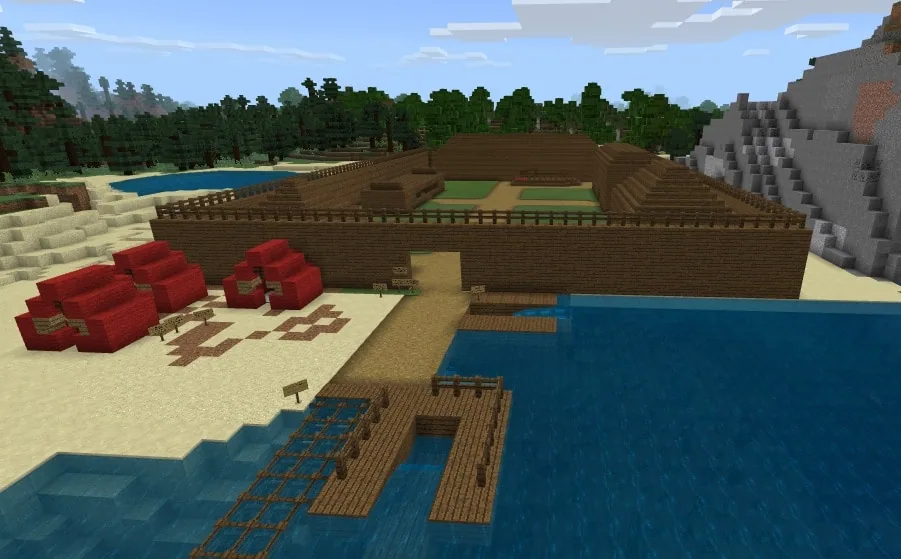
During the Canadian fur trade, voyageurs journeyed across vast waterways to barter European manufactured goods for valued beaver pelts with First Nations communities. This lesson introduces learners to the geography of trade forts, the role of natural resources, and the economic motivations that led young men from Montreal to spend months traveling into the wilderness.
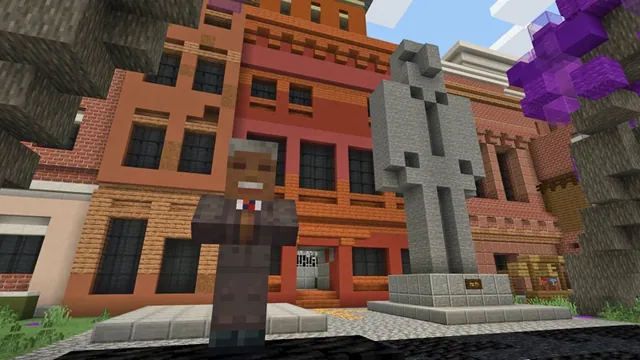
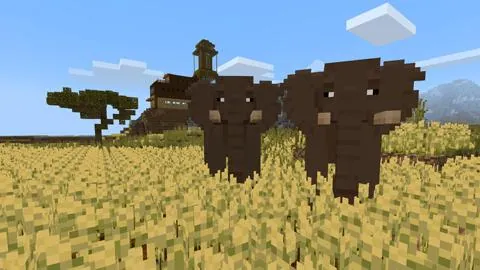
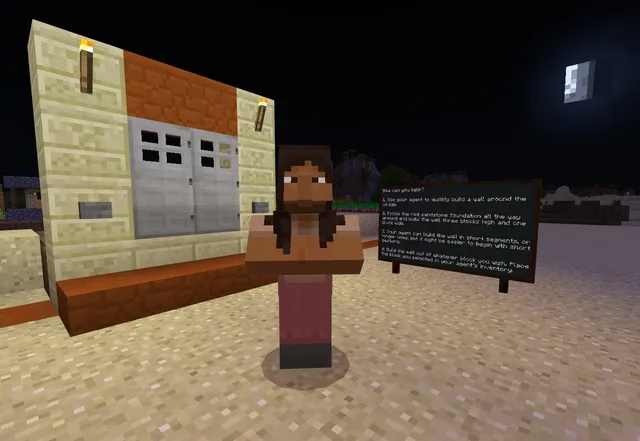
Using a dedicated Minecraft world alongside historical maps and paintings by Frances Anne Hopkins, students step into the role of a voyageur. As they navigate between trading posts within the game, they locate information to answer structured worksheet prompts about the challenges, geography, and relationships that defined the fur trade era.
Learning objectives
By the end of this lesson students will be able to:
- Explain how Canadian geography and waterways influenced the location of fur trading forts.
- Describe the daily routines, motivations, and hardships experienced by voyageurs during the fur trade.
- Analyze the role of beaver pelts as a key natural resource driving European and First Nations trade relations.
- Formulate questions about voyageur life based on historical artwork.
Blocks and items used in this lesson


Key vocabulary
- Voyageur
- A boatman or canoeist employed to transport trade goods and animal pelts over long distances across Canada.
- Natural resource
- A material found in nature that people use to survive, build, or trade.
- Trading post
- A fortified station where merchants and First Nations gathered to exchange goods for pelts.
- Beaver pelt
- The prepared skin and fur of a beaver, highly prized during the fur trade.
Before class
Lesson sequence
Suggested timing: about 75 minutes in total.
- Fort Map & Resource Discussion15 min
Display a map of Canada showing the network of fur trade forts. Lead a discussion on the placement of these posts, asking students why forts share similar geographic locations near waterways. Introduce the concept of exchanging manufactured goods for natural resources.
- Art Analysis of Voyageur Life15 min
Show paintings by Frances Anne Hopkins illustrating voyageurs navigating rivers and carrying canoes. Ask students to compare the scenes and generate their own inquiry questions about the conditions, risks, and teamwork required for these journeys.
- In-Game Voyage and Question Search30 min
Distribute the student question handout and review the guiding prompts as a class. Students log into the Minecraft world, travel from one trading post to another, trade goods for beaver pelts, and discover the information needed to complete their sheets.
- Reflection & Class Debrief15 min
Bring the class together to share their answers. Discuss why young men from Montreal chose to leave their villages for months, the hardships they experienced, and the positive and negative aspects of European trade with First Nations.
Assessment: success criteria
- Complete the student question handout using evidence collected from the trading posts in the game world.
- Identify geographic similarities between the locations of fur trade forts on a map of Canada.
- Explain why beaver pelts were favored over other furs during the fur trade era.
- Discuss the hardships faced by voyageurs and their trade relationships with First Nations.
Differentiation
Allow students to work in pairs while navigating the world so they can locate trading posts and share worksheet answers collaboratively.
Have students write a short journal entry from the perspective of a Montreal voyageur describing one day of portaging, paddling, and trading.
Knowledge check
5 questions to check understanding after the lesson. Tap an answer to see if it is right; the score appears at the end.
1Which natural resource was favored above all other furs during the Canadian fur trade?
Answer: B. The source identifies the beaver pelt as the key natural resource prized above all other pelts.
2Which artist's paintings are used to examine scenes of voyageur life before entering the game?
Answer: A. The lesson activities specifically state to present the art of Frances Anne Hopkins to discuss voyageur scenes.
3From which Canadian settlement did many young men depart for months at a time to work as voyageurs?
Answer: D. The guiding questions specifically ask what attracted young men from Montreal to leave their village for months on end.
4What is the primary objective students complete while exploring the Minecraft world?
Answer: C. The introduction and activities note that students travel between fur trading posts to exchange goods for beaver pelts and locate answers.
5When looking at the map of Canada, what pattern do students examine regarding fur trade forts?
Answer: B. Activity 1 directs teachers to discuss the similarities between the forts and their placement on the map.
Resources
- Lesson package (.zip)Everything the author attached to this lesson in one download.
- Student Questions (ENGLISH)Worksheet for students. The answers are all found in the game.
- Student Questions (FRENCH)Worksheet for students. The answers are all found in the game.
- French world fileFrench language world file.
Frequently Asked Questions
Is this lesson available for French-language or bilingual classrooms?
Yes. The supporting files include a French world file as well as student question handouts in both French and English.
What prior knowledge do students need before entering the Minecraft world?
Students only need a basic understanding of what a natural resource is and how trading works, both of which are introduced through the map and artwork discussions in the opening activities.
Adapted from Life as a voyageur! by Fabrice Siaux on Minecraft Education, last updated Jan 7, 2025. This classroom version, the timings and the quiz were written by 9Minecraft Education.