- Type
- Lesson plan
- Subject
- Climate & Sustainability
- Topics
- Climate Science
- Grade
- Early years (Pre-K to Grade 2)Primary (Grades 3-5)Middle school (Grades 6-8)High school (Grades 9-12)
- Ages
- All ages
- Duration
- 1 hour
- Level
- Beginner
How do animals adapt to survive in Earth's coldest regions, and how does climate change threaten their survival?
Overview
Earth's northern frozen expanses, including the taiga and tundra, are home to specialized organisms that have evolved unique survival mechanisms. From the camouflage of forest predators to the vital pollination work of cold-climate insects, these species rely on balanced environmental conditions. However, shifting seasonal patterns and rising temperatures create severe disruptions that threaten their continued existence.
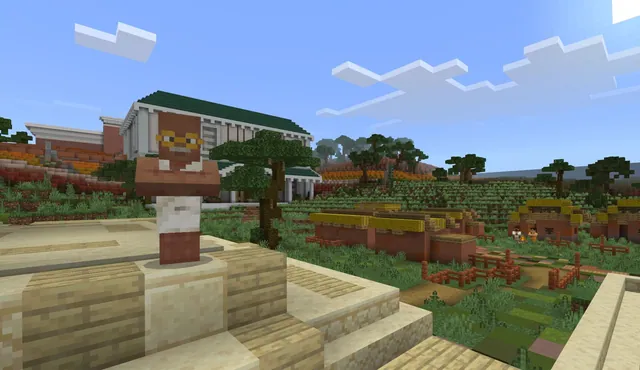
Using the Minecraft world alongside factual reference materials, students explore the daily realities faced by species like the Lapland bumblebee. Through in-game experiences and hands-on scientific tasks, learners witness the impact of changing climates and identify practical conservation habits, such as reducing waste and creating local pollinator spaces.
Learning objectives
By the end of this lesson students will be able to:
- Identify key physical characteristics and locations of taiga and tundra habitats on a world map
- Explain how physical adaptations, such as camouflage and anatomical structures, enable survival in extreme cold
- Describe the negative effects of climate change on animal life cycles and pollination timing
- Propose positive citizenship actions to support local pollinators and reduce personal environmental impact
Blocks and items used in this lesson
 Bee
 Snow
 Polar Bear
 Spruce Log
Key vocabulary
- Taiga
- A cold northern forest landscape, also referred to as a boreal forest.
- Tundra
- A cold, dry, treeless biome found in high-latitude regions.
- Rosettes
- Rose-shaped spot clusters on an animal's coat that provide visual camouflage.
- Pollination
- The essential transfer of pollen by insects that allows plants to reproduce and produce food.
- Adaptation
- A physical feature or behavioral trait that helps a living creature survive in its environment.
Before class
Lesson sequence
Suggested timing: about 60 minutes in total.
- Warm-up and Biome Mapping10 min
Place students into small groups of two or three and distribute the biome fact sheets along with world maps or atlases. Direct groups to locate Earth's taiga and tundra regions, prompting them to compare the dense boreal forests of the taiga with the dry, open expanses of the tundra.
- Bumblebee Biology and Minecraft Exploration15 min
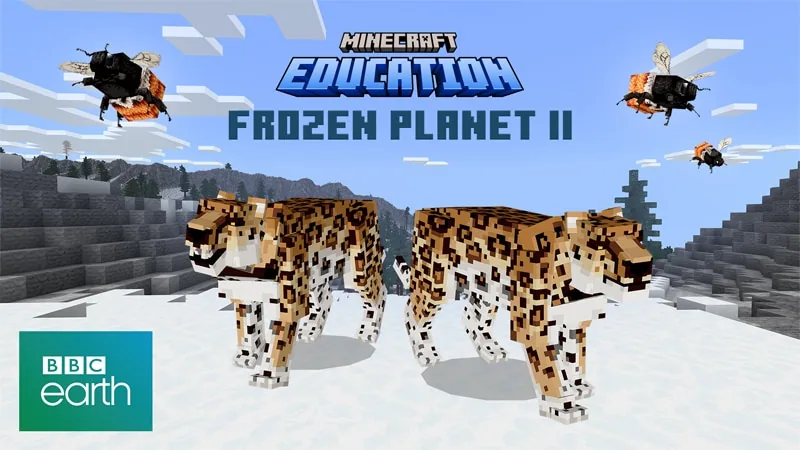
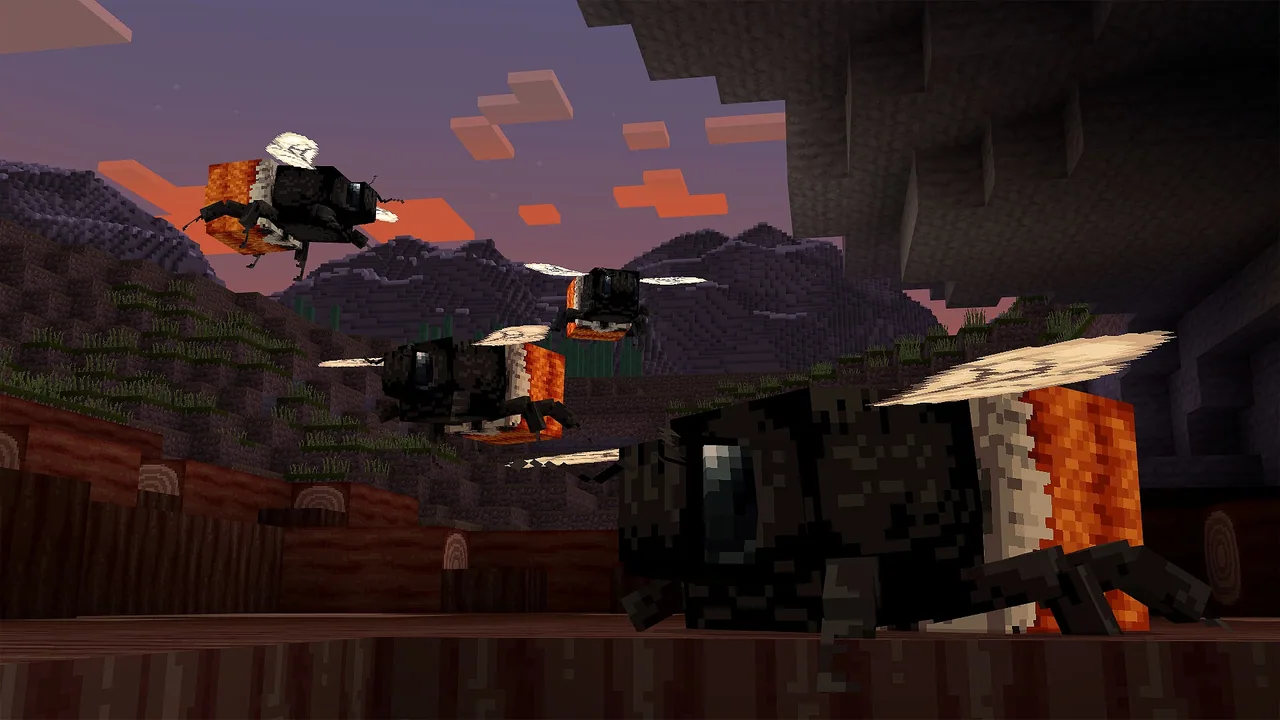
Display the visual of the Lapland bumblebee. Learners create an annotated scientific sketch focusing on the head, thorax, abdomen, wings, antennae, and distinct coloration before conducting peer assessments against agreed criteria. Next, students launch the Minecraft world to observe the insect in its habitat and reflect on its daily survival challenges.
- Pollination Dilemma and Active Citizenship15 min
Lead a guided discussion examining the global significance of insect pollination for ecosystems and agriculture. Detail how warming trends cause early plant blooms, stranding emerging bees without food. Invite students to express their emotional responses through magazine collages or digital word clouds, then brainstorm helpful community actions such as constructing bee hotels or seeding wildflower mini-gardens.
- Amur Leopard Camouflage Study15 min
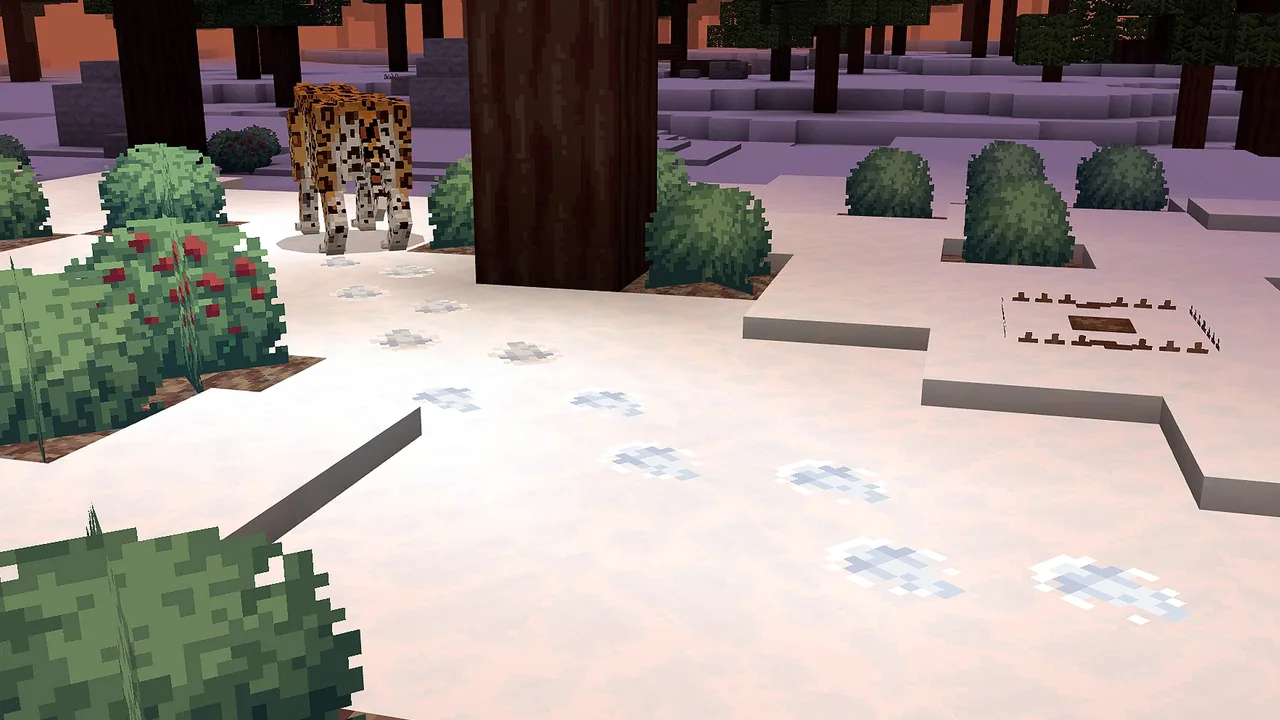
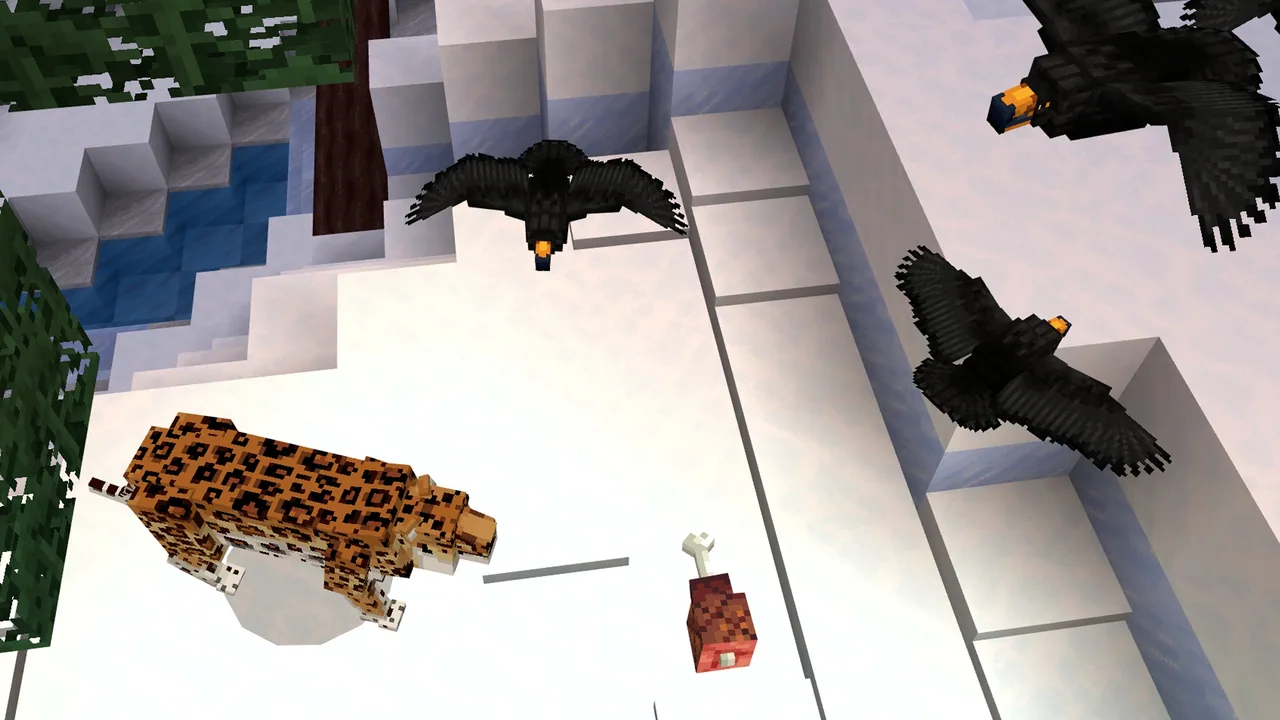
Examine the geographic range and physical appearance of the Amur leopard using the slide deck. Discuss how pale fur and widely spaced rosettes break up the cat's silhouette against snow and dappled forest shadows to aid in hunting. Have students create an artwork experimenting with these camouflage patterns.
- Reflection and Action Review5 min
Review individual habits highlighted in the Minecraft experience, including reducing waste, reusing items, and recycling to lower overall emissions. Have students re-examine their feelings through a concluding word cloud to show how constructive climate action encourages positive emotions.
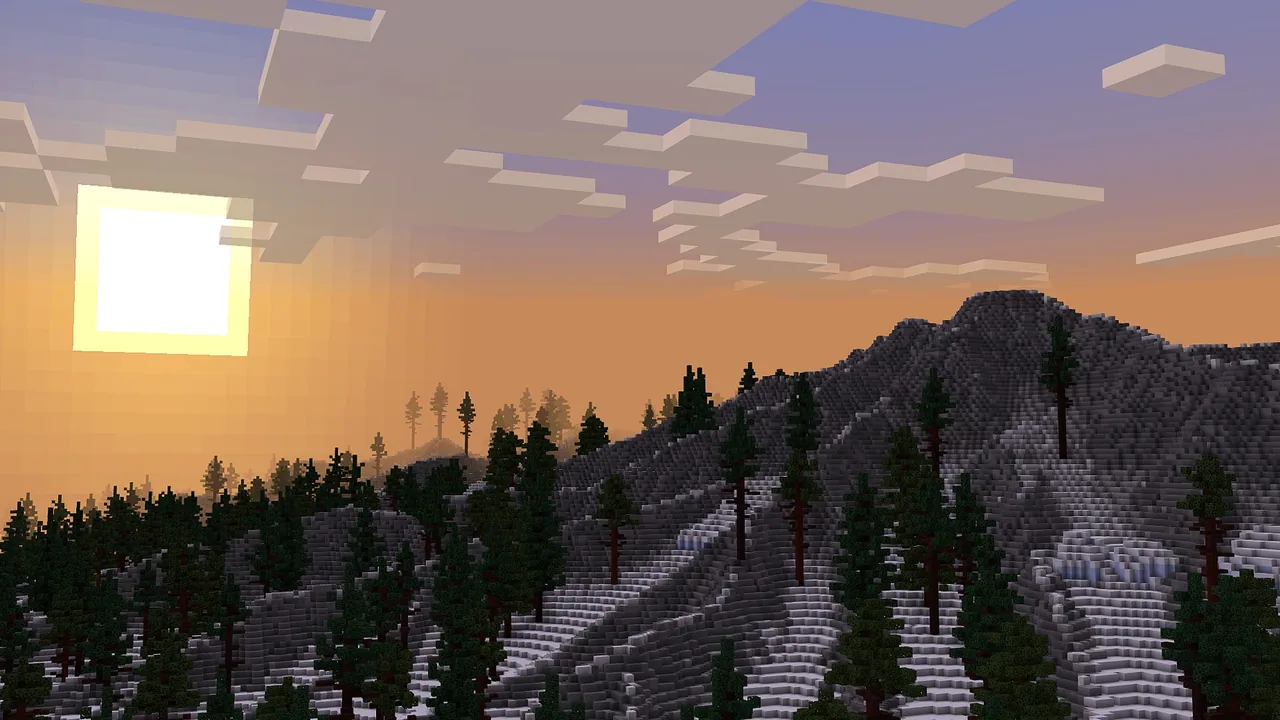
Inside the lesson world
Assessment: success criteria
- Students accurately diagram and label the anatomical components of the Lapland bumblebee.
- Students explain how the Amur leopard's rosette patterns and fur coloration serve as hunting camouflage in snow and forests.
- Students clearly articulate how shifting bloom times caused by climate change threaten bee populations and food systems.
- Students identify actionable individual measures, such as recycling or building bee hotels, to assist wildlife habitats.
Differentiation
Offer a pre-labeled anatomical outline for the bumblebee drawing and pre-mark tundra and taiga zones on group maps.
Have advanced learners design a detailed layout for a community pollinator site, specifying shelter structures and mini-garden arrangements.
Knowledge check
5 questions to check understanding after the lesson. Tap an answer to see if it is right; the score appears at the end.
1What is another common name for the taiga forest region?
Answer: B. The source identifies the taiga as a cold forest region sometimes referred to as boreal forest.
2Which physical characteristic distinguishes the tundra from the taiga?
Answer: D. The lesson defines the tundra as a cold, tree-less region that receives little rain.
3How do widely spaced rosettes assist the Amur leopard in its cold habitat?
Answer: A. Widely spaced rosettes on pale fur blend with snowy, shaded surroundings so prey cannot easily see the leopard.
4Why does early plant blooming caused by climate change harm the Lapland bumblebee?
Answer: B. Warming temperatures cause plants to bloom earlier than usual, leaving emerging bumblebees hungry and threatening their survival.
5What positive personal action is suggested to support local pollinators?
Answer: B. Students are encouraged to practice active citizenship by building bee hotels and planting mini wildflower gardens.
Resources
- Lesson package (.zip)Everything the author attached to this lesson in one download.
- Frozen Lands PPTAccompanying PPT Presentation For Lesson Plan.
- Amur Leopard Facts SheetFacts about Amur leopards.
- Bumblebee Fact SheetFacts about bumblebees.
- Lesson worldOpens the world page in Minecraft Education (sign-in with a school account may be needed).
Frequently Asked Questions
What level of Minecraft familiarity do students need for this activity?
The lesson is structured for beginners, so students do not need extensive gameplay experience to navigate the world and complete the activities.
Which key animal species are covered during the lesson?
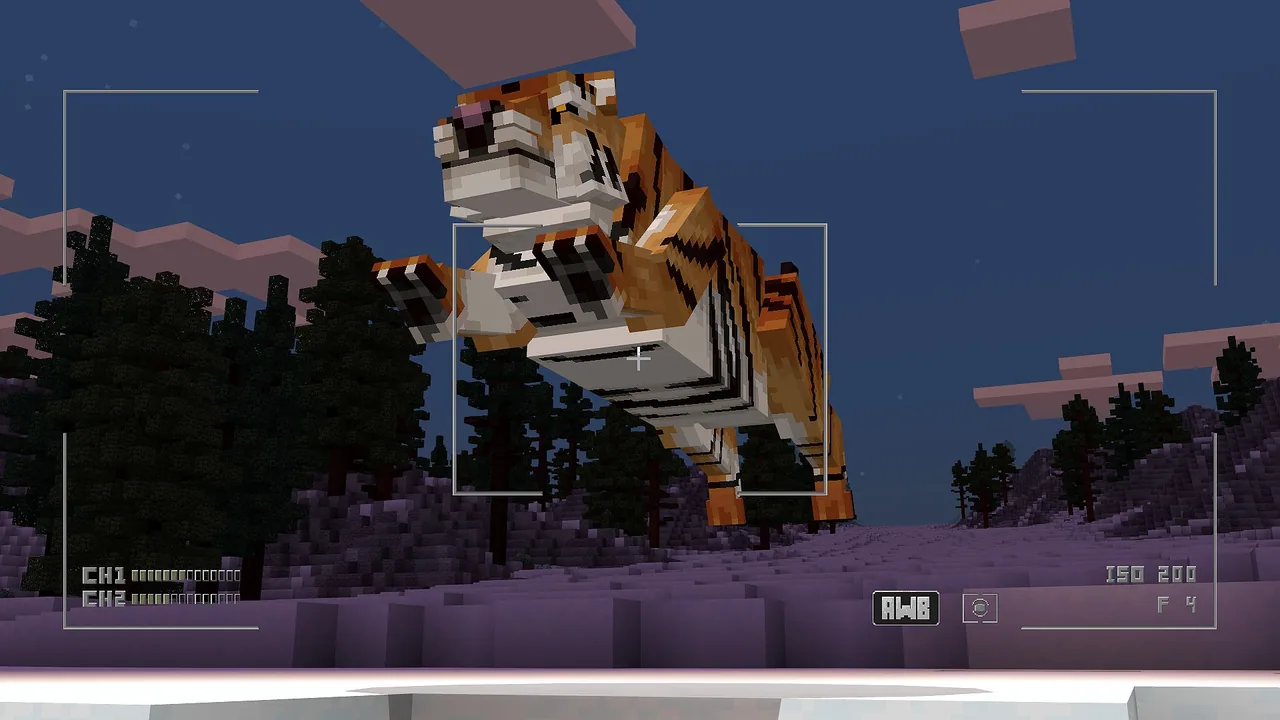
Instruction centers primarily on the Lapland bumblebee and the Amur leopard, with additional examples mentioning polar bears and killer whales.
How does the lesson address students' emotional responses to climate change?
Learners create word clouds or magazine collages to explore their feelings about environmental challenges, comparing their emotions before and after discussing constructive community actions.
Adapted from Frozen Planet II: Frozen Lands by Minecraft Education on Minecraft Education, last updated Sep 29, 2025. This classroom version, the timings and the quiz were written by 9Minecraft Education.