- Type
- Lesson plan
- Ages
- Ages 6-13
- Duration
- 45 min
- Level
- Beginner
- Includes
- Quiz: 5 questions
How do ecologists investigate and safeguard local biodiversity during major construction and road projects?
Overview
This lesson introduces students to the role of ecologists on large-scale infrastructure developments, focusing on the A303 Stonehenge Road Scheme. Learners discover why assessing biodiversity is a vital first step in engineering projects and how local ecosystems can be documented and protected.
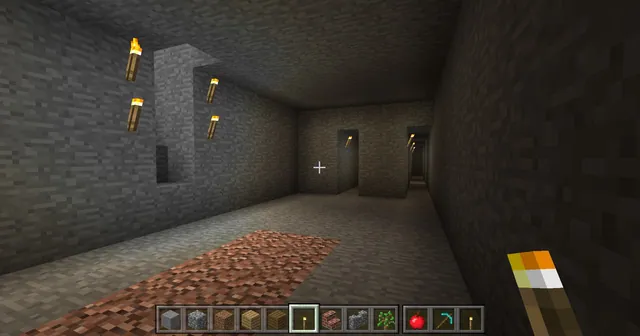
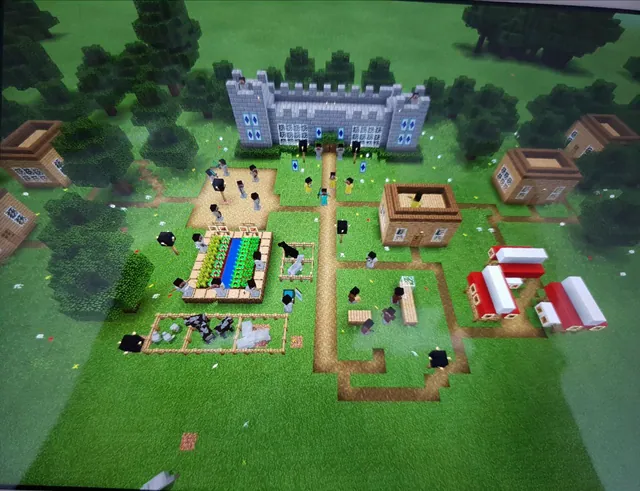
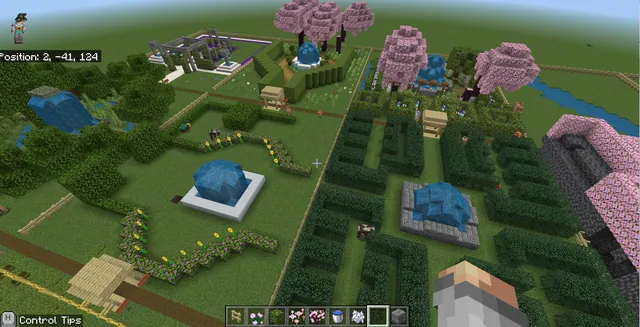
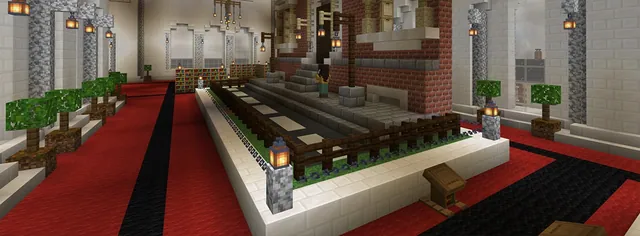
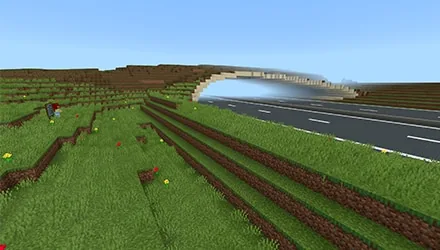
Using Minecraft Education, students explore a digital representation of the road scheme site. Equipped with a camera and workbook, they identify specific plant species and animal habitats, interview non-player characters about environmental careers, and assemble a field journal of their findings.
Learning objectives
By the end of this lesson students will be able to:
- Identify five target plant species and two wildlife habitats within the road scheme environment.
- Record field observations and photographs using the in-game camera and workbook.
- Describe the key responsibilities of an ecologist working on public infrastructure projects.
- Explain the importance of habitats and biodiversity for supporting local wildlife.
Blocks and items used in this lesson


Key vocabulary
- Ecologist
- A scientist who studies how plants, animals, and their surrounding environments interact.
- Biodiversity
- The variety of different plant and animal species living within a specific area.
- Habitat
- The natural home or environment where an animal or plant lives and finds what it needs to survive.
Before class
Lesson sequence
Suggested timing: about 45 minutes in total.
- Highways Office Briefing5 min
Students spawn inside the virtual Highways England offices. Allow them five minutes to interact with office non-player characters to read introductory notes and greetings. Instruct all students to assemble at the large computer at the back of the office without clicking it until instructed.
- Scheme Orientation at the Portacabin10 min
Direct students to select the Key Stage 2 button on the office computer to teleport to the road scheme. Students speak with the welcoming character, observe the habitat example outside, and enter the site portacabin to review the plants and habitats they must find: bird's foot trefoil, dwarf thistle, pyramidal orchid, devil's-bit scabious, salad burnet, skylark habitats, and bat habitats.
- Field Survey and Documentation25 min
Students explore the site to locate each plant and animal habitat, take photos with their camera, and log descriptive facts in their workbooks. During the survey, students must also seek out the six characters spread across the map to learn about different career pathways on the project.
- Workbook Review and Wrap-Up5 min
Have students review their workbooks to ensure they have photographed all seven targets and recorded factual notes for each before concluding the lesson.
Assessment: success criteria
- The student workbook includes photos of all five required flowers: bird's foot trefoil, dwarf thistle, pyramidal orchid, devil's-bit scabious, and salad burnet.
- The student workbook contains photos and notes documenting both the bat habitat and skylark habitat.
- The student can describe at least one ecological or engineering career role discovered through the site NPCs.
Differentiation
Allow students to work in pairs and refer back to the portacabin plant displays if they need help matching flower colors to species.
Ask students to locate all six career NPCs across the scheme and summarize the relationship between engineering roles and ecological protection.
Knowledge check
5 questions to check understanding after the lesson. Tap an answer to see if it is right; the score appears at the end.
1Which button must students choose on the office computer to access their activity?
Answer: B. The activity instructions state that students must click the button labeled Key Stage 2.
2Which two animal habitats are students instructed to locate and photograph?
Answer: C. The lesson lists the skylark habitat and bat habitat as the two animal locations to record.
3According to the portacabin guide, what color are the flowers of Salad Burnet?
Answer: A. The species list identifies Salad Burnet as having green flowers.
4How many characters are placed around the map to discuss different job roles?
Answer: D. The source states there are 6 NPCs spread around the map who will talk to students about different job roles.
5Which two tools do students use to record their ecological observations on the scheme?
Answer: A. An NPC in the portacabin explains that students must use a camera and a workbook to document plants, habitats, and facts.
Frequently Asked Questions
What real-world engineering project is featured in this lesson?
The lesson is based on the A303 Stonehenge Road Scheme, demonstrating how ecologists survey wildlife and habitats during public highway planning.
What flowers must students locate during their survey?
Students need to find bird's foot trefoil, dwarf thistle, pyramidal orchid, devil's-bit scabious, and salad burnet.
Where do students find examples of the habitats they need to photograph?
Displays inside the portacabin show representations of each plant and animal, and an example character outside demonstrates the habitat types students should look for.
Adapted from A303 Biodiversity Game Junior - be an ecologist for the day by Block Builders on Minecraft Education, last updated Sep 27, 2021. This classroom version, the timings and the quiz were written by 9Minecraft Education.