How can we design safe community shelters and support systems to protect stray animals from neglect and food scarcity?
Overview
Millions of stray animals endure hunger, abandonment, and abuse worldwide. This project guides students to examine the ethical duty humans have toward animals, exploring root causes such as pet abandonment, food scarcity, and unchecked breeding. Students investigate their local area and evaluate proactive solutions including fostering, shelter volunteering, and spay-and-neuter awareness.
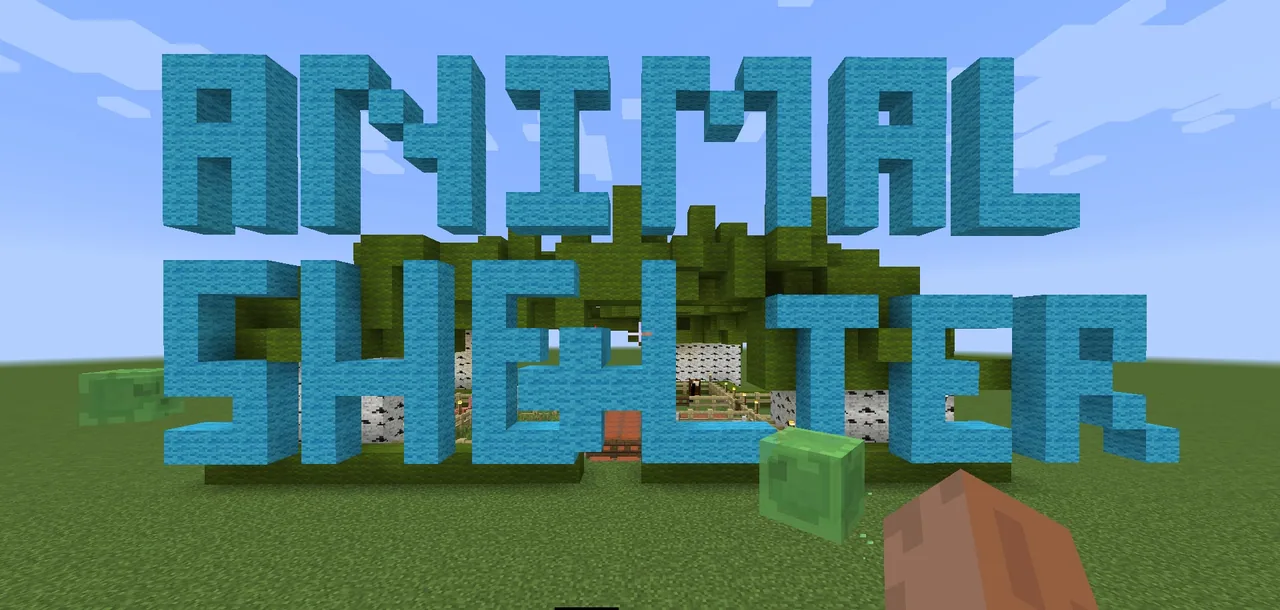
Using Minecraft Education, student teams apply their findings to construct humane, well-planned animal shelters. Their digital builds address United Nations Sustainable Development Goal 2.5 by ensuring access to food, safe housing, medical spaces, and compassionate care for vulnerable animals.
Learning objectives
By the end of this lesson students will be able to:
- Analyze the causes and impacts of food scarcity and abandonment among stray animals.
- Evaluate real-world intervention strategies such as fostering, shelter volunteering, and community awareness.
- Investigate local animal protection procedures and identify gaps in community animal management.
- Construct a digital shelter solution in Minecraft that reflects the animal welfare and food security targets of UN SDG 2.5.
Blocks and items used in this lesson


Key vocabulary
- Foster Parent
- A volunteer who temporarily houses, feeds, and cares for a homeless animal while preparing it for permanent adoption.
- Rabies
- A dangerous viral infection transmitted primarily through animal bites that causes severe brain inflammation.
- Spay and Neuter
- Surgical procedures performed by veterinarians to prevent cats and dogs from reproducing, reducing the stray population.
- No-Kill Shelter
- An animal rescue facility intended to save all healthy or treatable animals, though proper management and veterinary care remain essential.
Before class
Lesson sequence
Suggested timing: about 210 minutes in total.
- Community Survey and Issue Exploration45 min
Introduce the global stray animal crisis, highlighting statistics on homeless animals, food shortages, and health risks like rabies. Have students conduct an observational survey of their local neighborhood to identify stray populations and discuss human abandonment of working or domestic animals.
- Local Policy Investigation45 min
Organize students into small teams to research how local governing bodies handle animal protection. Groups prepare interview questions for local officials or shelter staff to identify municipal processes and uncover gaps in community animal safety.
- Action Strategy Brainstorming30 min
Teams evaluate five potential intervention paths: fostering pets, promoting spay-and-neuter awareness, volunteering at existing facilities, speaking out against abuse, and designing shelters. Each team selects a preferred action strategy, justifying why it best resolves local stray challenges.
- Minecraft Shelter Construction60 min
Working collaboratively in Minecraft, groups design a safe and fully equipped animal shelter. Builds must reflect UN SDG 2.5 by incorporating secure feeding stations, exercise areas, medical spaces, and safe enclosures that prioritize animal freedom and well-being.
- Project Presentation and Reflection30 min
Teams present their digital builds and strategic action plans to the class and teacher, explaining how their design elements resolve food scarcity and animal neglect. The class concludes with a reflection on developing empathy and civic responsibility toward living creatures.
Assessment: success criteria
- Students identify and articulate the root causes of stray animal homelessness and food scarcity in their community.
- Students critically compare intervention options and justify their chosen animal protection strategy.
- Students construct a Minecraft shelter that models practical solutions for animal feeding, housing, and veterinary care.
- Students demonstrate empathy and an understanding of human responsibility toward domestic and working animals.
Differentiation
Provide a pre-printed checklist of required shelter components such as feeding troughs, outdoor runs, and medical check-in stations.
Challenge students to calculate the required food rations, volunteer staffing schedules, and veterinary supply logistics for their digital shelter.
Knowledge check
5 questions to check understanding after the lesson. Tap an answer to see if it is right; the score appears at the end.
1According to the lesson facts, what percentage of human rabies transmissions are caused by dogs?
Answer: D. The source states that 99% of rabies transmissions to humans are caused by dogs.
2Approximately how many puppies and kittens are born in the United States every day?
Answer: A. The text notes that approximately 70,000 puppies and kittens are born daily in the U.S.
3According to Bill Garrett of the Atlanta Humane Society, how does the number of homeless animals compare to homeless people?
Answer: B. The source notes Bill Garrett estimated at least 5 times more homeless animals than homeless people.
4What is the estimated worldwide population of stray dogs mentioned in the source?
Answer: C. The worldwide stray dog population is estimated between 200 and 600 million.
5Which United Nations Sustainable Development Goal target is explicitly tied to this shelter project?
Answer: D. The lesson source explicitly references UN SDG 2.5 in connection with animal food and shelter security.
Resources
Frequently Asked Questions
Is a specific pre-built world file needed to teach this lesson?
No special world download is required. Students work collaboratively in standard creative worlds to design and build their animal shelter solutions.
How can students interview local governing bodies safely?
Teachers can facilitate this by inviting a guest speaker from animal control, coordinating a supervised class email inquiry, or having students analyze publicly available municipal animal welfare guidelines.
How does animal sheltering relate to UN SDG 2.5?
The lesson connects UN SDG 2.5 to animal welfare by challenging students to end food scarcity and ensure secure, well-managed care for domestic and domesticated working animals.
Adapted from SHELTERING HOMES by Arti Chopra on Minecraft Education, last updated Apr 1, 2019. This classroom version, the timings and the quiz were written by 9Minecraft Education.