How can learning about different languages, traditions, and environments help us build an inclusive community?
Overview
Classrooms are composed of students from diverse backgrounds, languages, and traditions. This lesson encourages learners to explore how physical geography, cultural heritage, and shared practices shape individual identity, while highlighting core values like empathy, friendship, and mutual respect that unite people within a shared community.
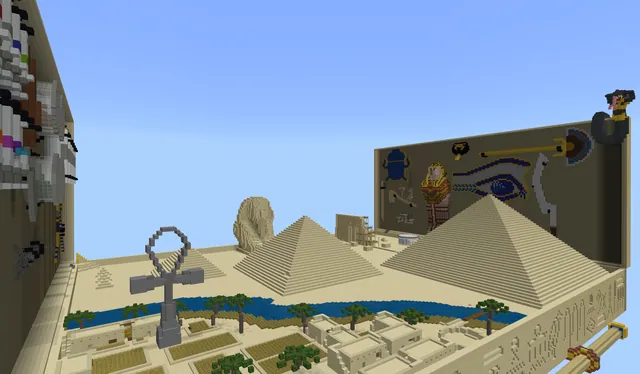
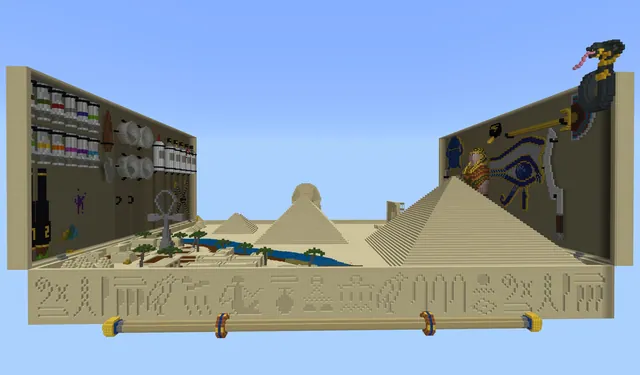
Working collaboratively in Minecraft, students design a multicultural settlement featuring distinct architectural styles, representations of cultural dress, and festival scenes. They also construct a central gathering space that symbolizes inclusion and collective celebration.
Learning objectives
By the end of this lesson students will be able to:
- Identify the diverse communities, cultural backgrounds, and traditions represented in the classroom.
- Explain how physical location and culture influence architecture, clothing, and daily habits.
- Build a collaborative settlement in Minecraft displaying varied architectural styles, festival scenes, and a shared gathering space.
- Demonstrate respect, empathy, and positive communication when discussing cultural differences.
Blocks and items used in this lesson


Key vocabulary
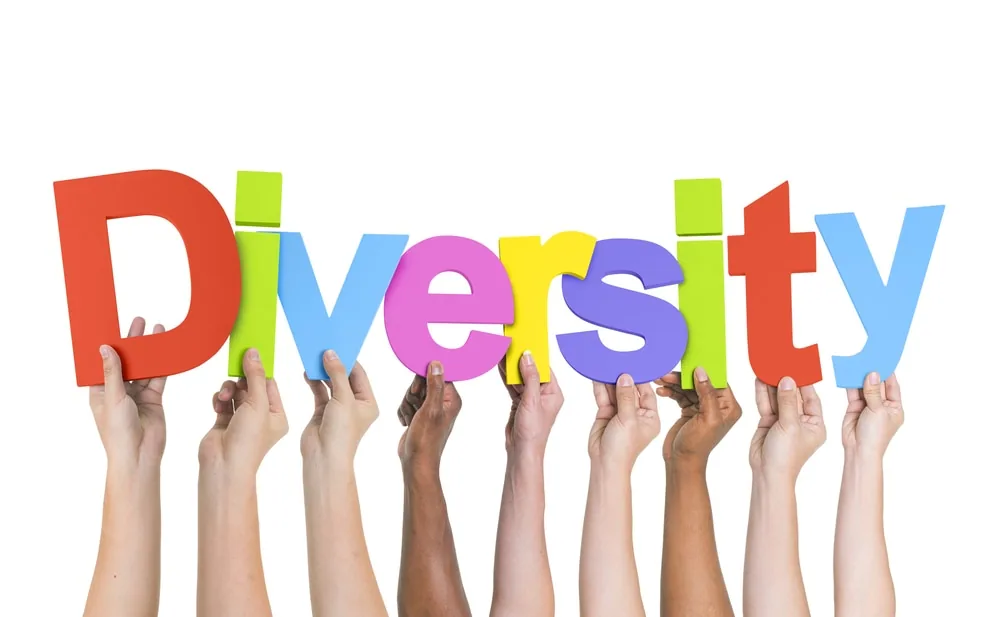
- Diversity
- The presence of people with different backgrounds, cultures, languages, and perspectives within one group.
- Tradition
- A custom, practice, or belief handed down through generations within a community.
- Architecture
- The style, design, and construction method used to make buildings.
- Empathy
- The ability to understand, share, and respect the feelings and experiences of another person.
Before class
Lesson sequence
Suggested timing: about 75 minutes in total.
- Open Discussion and Inquiry15 min
Lead an open conversation inviting students to share traditions, languages, and festivals celebrated in their families or communities. Pose questions on how physical location influences shelter design and how shared values like friendship and empathy unite people regardless of background.
- Community Planning10 min
Organize students into small collaborative groups. Have each group plan a settlement layout that includes varied housing styles, spaces for celebrating cultural festivals, and a central shared area for the whole community to gather.
- Collaborative Build in Minecraft35 min
Students join a shared world to construct their settlement. They build clusters of houses reflecting distinct architectural traditions, place characters depicting varied attire, detail festival celebrations, and complete a common community gathering space.
- Gallery Walk and Reflection15 min
Teams tour each other's settlements to observe the different architectural features, cultural representations, and gathering spaces. Conclude with a class debrief on what makes peaceful coexistence and mutual respect possible in diverse communities.
Assessment: success criteria
- Student can distinguish between different styles of architecture and explain how geography influences them.
- Student can describe how cultural background shapes traditions, clothing, and celebrations.
- Student works cooperatively to construct diverse housing, festival areas, and a shared communal space in Minecraft.
- Student articulates the importance of empathy, friendship, and respect across cultural differences.
Differentiation
Allow students to focus on building a single home style and one clear festival symbol before attempting a full cluster.
Challenge students to research and depict multiple contrasting regional architectural styles and design an elaborate central monument celebrating unity.
Knowledge check
5 questions to check understanding after the lesson. Tap an answer to see if it is right; the score appears at the end.
1What primary factor mentioned in the lesson shapes the architecture and traditions of a community?
Answer: B. The lesson specifically highlights how physical location helps shape the traditions and housing architecture of a community.
2Which values are highlighted as essential for all people regardless of language or culture?
Answer: B. The source identifies friendship, empathy, sympathy, and respect as core human traits that should remain constant across all cultures.
3What are student groups expected to build in Minecraft alongside varied houses?
Answer: C. The student activities require building festival depictions and a shared space where everyone comes together to celebrate diversity.
4How does culture influence daily human life according to the assessment expectations?
Answer: A. The assessment criteria note that different cultures affect clothing styles, eating habits, and regional traditions.
5What is the ultimate purpose of exploring diverse traditions in the classroom?
Answer: B. The guiding idea is to understand backgrounds so community members can respect differences and coexist peacefully.
Frequently Asked Questions
Is there a specific downloadable world required for this lesson?
No. The lesson does not require a custom template. Teachers can set up any standard open creative multiplayer world for groups to build their settlements.
What age groups can participate in this lesson?
The source supports a wide range of grade bands from ages 6 up through 18, as discussions and building complexity can be scaled to fit elementary, middle, or high school learners.
How can students depict varied cultures using Minecraft characters?
Learners can use in-game character skins, armor trims, or custom Non-Player Characters (NPCs) with customized appearances to represent different attire and cultural styles.
Adapted from Respecting Diversity by Jyoti Chaba on Minecraft Education, last updated Dec 8, 2018. This classroom version, the timings and the quiz were written by 9Minecraft Education.