- Type
- Lesson plan
- Subject
- Language Arts
- Topics
- World Languages
- Ages
- Ages 11-13
- Duration
- 45 min
- Level
- Beginner
- Skills
- CommunicationCreativity
- Includes
- Quiz: 5 questions
How can we use present tense sensory verbs to describe what people experience in different living environments?
Overview
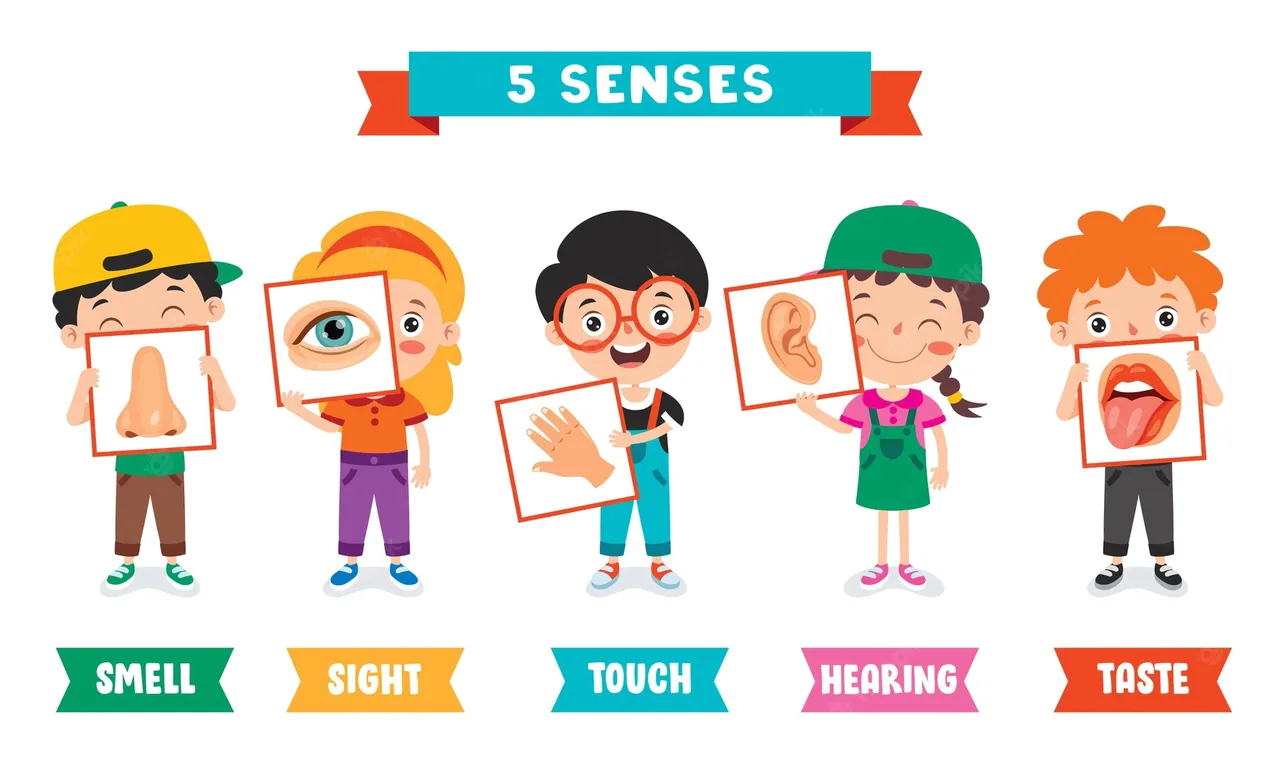
In this world languages lesson, students explore sensory vocabulary and present tense verbs by connecting language to physical environments. By examining the five main senses—sight, hearing, smell, touch, and taste—learners practice communicating real and imagined sensations within descriptive contexts.Learning objectives
By the end of this lesson students will be able to:
- Construct a specific living environment featuring typical residential and non-residential spaces.
- Apply present tense verbs related to the five senses: sight, hearing, smell, touch, and taste.
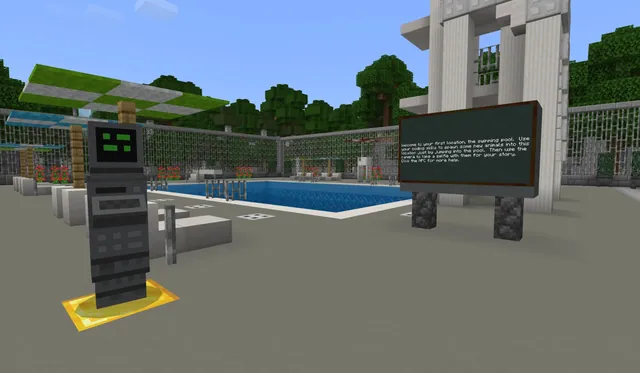
- Configure non-player characters (NPCs) with dialogue expressing sensory experiences.
- Present group builds orally and reflect on project difficulties, successes, and potential revisions.
Blocks and items used in this lesson


Key vocabulary
- Sight
- The sense of perceiving things visually with eyes (verb: to see).
- Hearing
- The sense of perceiving sounds with ears (verb: to hear).
- Smell
- The sense of recognizing scents or odors through the nose (verb: to smell).
- Touch
- The sense of physical contact or feeling textures (verb: to touch or feel).
- Taste
- The sense of perceiving flavors through the mouth (verb: to taste).
Before class
Lesson sequence
Suggested timing: about 45 minutes in total.
- Sense Vocabulary Review10 min
Review present tense verbs for the five senses: to see, to hear, to smell, to touch, and to taste. Provide example statements detailing sensory input in different surroundings.
- Environment Construction15 min
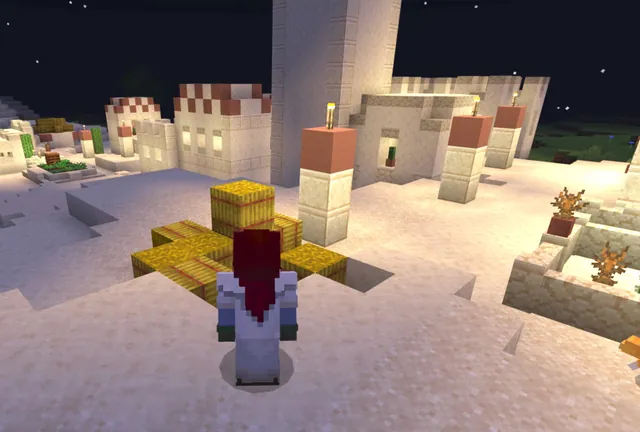
In small groups, students choose a setting (such as a shoreline, desert, rainforest, village, or city) and build appropriate residential and shared spaces using inventory tools (E key).
- NPC Dialogue Placement10 min
Students place non-player characters (NPCs) in various spots of their settlement. Teams script NPC dialogues expressing present tense sensory impressions tailored to each location.
- Presentations and Reflection10 min
Groups present their settings and read their NPC dialogues. Students orally reflect on what was difficult, what was fun, and what they would change.
Assessment: success criteria
- NPC dialogues accurately incorporate present tense sensory verbs.
- The environment includes recognizable residential or non-residential elements matching the chosen theme.
- Students actively participate in the oral presentation of their build.
- Students discuss what was difficult, enjoyable, and open to revision in their work.
Differentiation
Provide sentence frames based on the lesson examples to help students format their NPC dialogue.
Encourage students to build multiple contrasting locations within their settlement with nuanced sensory descriptions.
Knowledge check
5 questions to check understanding after the lesson. Tap an answer to see if it is right; the score appears at the end.
1Which verb matches the sense of hearing?
Answer: B. The verb 'to hear' corresponds directly to the sense of hearing.
2What tool or feature in Minecraft are students asked to use to make characters 'talk' about their feelings?
Answer: C. The lesson specifies inserting non-player characters (NPCs) that speak about their sensations in that location.
3Which environment type is specifically suggested as an option in the lesson plan?
Answer: A. Rainforest is explicitly listed among the settlement options alongside deserts, shores, villages, and cities.
4Which sentence follows the sensory pattern taught in this lesson?
Answer: B. This sentence uses the sensory verb 'smells' in the present tense to describe a perception.
5What are students expected to reflect on during their oral presentations?
Answer: D. The lesson prompts students to discuss their difficulties, what they enjoyed, and what changes they would make.
Frequently Asked Questions
What should students do if an item they need is missing from the inventory?
Students are encouraged to use their imagination to combine and creatively repurpose other available blocks and items.
What prior knowledge or preparation is expected before the Minecraft session?
Students should complete the introductory exercises on pages 24-25 of the textbook New Building Bridges 7.
How should the class be organized for the building activity?
The activity is designed for collaborative teamwork conducted in small groups.
Adapted from Five Senses by Temur Jvarsheishvili on Minecraft Education, last updated Apr 7, 2023. This classroom version, the timings and the quiz were written by 9Minecraft Education.