- Type
- Lesson plan
- Ages
- Ages 8-13
- Duration
- 1 hour
- Level
- Intermediate
How can collaborative problem-solving and children's rights help communities achieve net zero environmental goals?
Overview
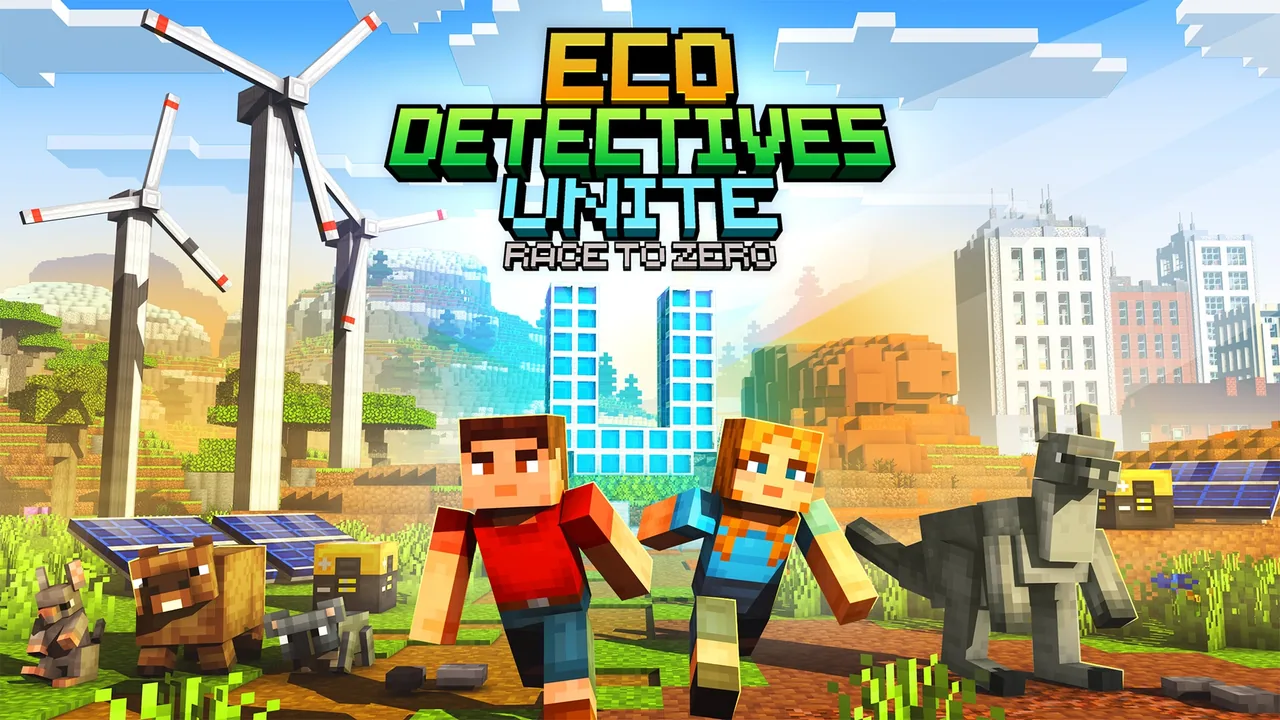
Eco Detectives Unite: Race to Zero blends climate action, systems thinking, and student voice into a cohesive classroom experience. By examining how environmental decisions and human rights interconnect, learners discover that inclusive and collaborative thinking creates more equitable and enduring climate solutions.
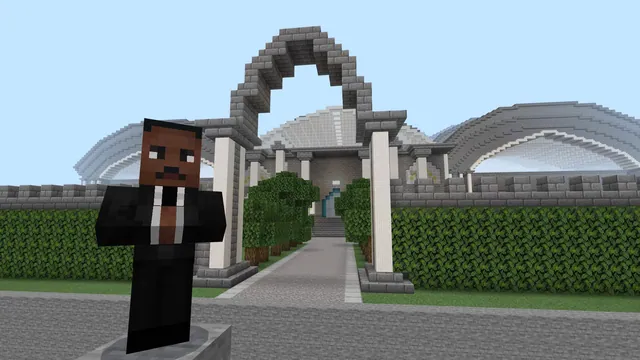
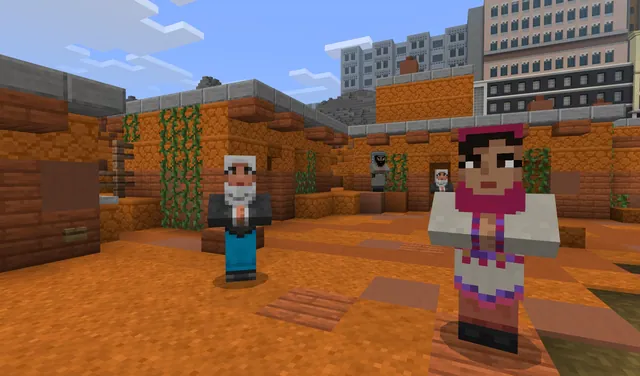
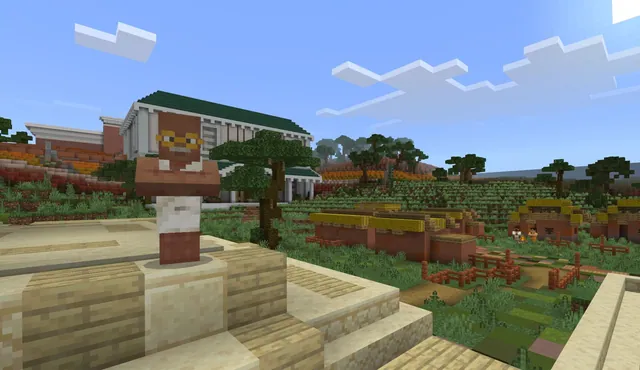
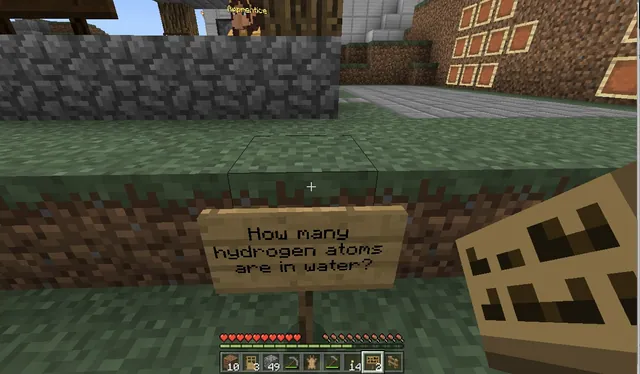
Using a downloadable multiplayer Minecraft world, students work together in small teams to investigate environmental challenges and renewable energy alternatives. Supplementary modules extend the experience by connecting in-game problem-solving to the UN Rights of the Child, healthy device usage, and inclusive game design.
Learning objectives
By the end of this lesson students will be able to:
- Define the concept of net zero emissions in relation to environmental sustainability
- Identify different types of renewable energy sources
- Explain how children's rights support fair and sustainable futures
- Collaborate effectively within a small multiplayer team to address environmental challenges
- Apply systems thinking to connect environmental actions with community wellbeing
Blocks and items used in this lesson


Key vocabulary
- Net Zero
- A state where greenhouse gas emissions released into the atmosphere are balanced by an equal amount removed.
- Renewable Energy
- Energy collected from natural resources that replenish themselves continuously, such as wind or solar power.
- Systems Thinking
- A method of understanding problems by looking at how different parts of a system interact and influence one another.
- UN Rights of the Child
- An international agreement defining the fundamental human rights and protections owed to all children.
Before class
Lesson sequence
Suggested timing: about 60 minutes in total.
- Introduction & Concept Briefing10 min
Introduce the lesson themes: achieving net zero, exploring renewable energy, and understanding the UN Rights of the Child. Establish the collaborative expectations for team communication and active participation.
- Multiplayer World Investigation30 min
Place students into their assigned groups of 3 to 6 within the downloadable Minecraft world. Teams collaborate in the game environment, using systems thinking to navigate sustainability scenarios and identify practical clean energy solutions.
- Digital Wellbeing & Fairness Check10 min
Pause gameplay to connect the activity with Module 2 and Module 3 themes. Facilitate a short group conversation about the healthy use of digital devices, online wellbeing, and designing experiences that are fair and inclusive for everyone.
- Reflection & Recognition10 min
Gather the class to discuss how collaboration and student voice lead to stronger real-world environmental action. Acknowledge team efforts using the downloadable game completion or lesson module certificates.
Assessment: success criteria
- Student accurately defines net zero and names practical renewable energy options.
- Student demonstrates collaborative and respectful behavior within a 3 to 6 player team.
- Student explains how children's rights and fairness relate to environmental problem-solving.
- Student shows evidence of systems thinking during group discussions and gameplay tasks.
Differentiation
Assign designated roles within the small group and provide a simple checklist of key renewable energy terms.
Ask fast-finishing groups to draft recommendations for how schools can model healthy digital balance and fair decision-making.
Knowledge check
5 questions to check understanding after the lesson. Tap an answer to see if it is right; the score appears at the end.
1What does achieving 'net zero' mean in climate science?
Answer: B. Net zero means balancing the emissions produced with those removed from the atmosphere.
2What group size does the lesson guide recommend for multiplayer teams?
Answer: D. The preparation instructions specifically recommend dividing students into groups of 3 to 6 prior to gameplay.
3Which international framework is directly unpacked in Module 1 of this learning pack?
Answer: A. Module 1 focuses on unpacking the UN Rights of the Child and putting them into action in the classroom.
4Beyond climate topics, what does Module 2 encourage learners to examine?
Answer: C. Module 2 focuses on the healthy use of digital devices, personal wellbeing, and associated responsibilities.
5Why is systems thinking valuable when addressing environmental challenges?
Answer: B. Systems thinking allows students to see the interconnections between environmental action, human rights, and inclusive solutions.
Resources
- Lesson package (.zip)Everything the author attached to this lesson in one download.
- Teacher GuideTeacher Guide - Eco Detectives Unite PDF
- Lesson Module PackLesson Module Pack - Eco Detectives Unite PDF
- Game Completion CertificateGame Completion Certificate - Eco Detectives Unite PDF
- Lesson Module CertificatesLesson Module Certificates - Eco Detectives Unite PDF
- Lesson worldOpens the world page in Minecraft Education (sign-in with a school account may be needed).
Frequently Asked Questions
What extra resources are included to recognize student learning?
The supporting files include downloadable completion certificates for each of the three individual lesson modules as well as an overall game completion certificate.
Which subject areas does this lesson integrate?
This unit connects Climate Science, Physical Health & Wellness, and STEM through collaborative and project-based gameplay.
What age group is this lesson plan designed for?
The content and gameplay are calibrated for intermediate learners between the ages of 8 to 10 and 11 to 13.
Adapted from Eco Detectives Unite: Race to Zero by Ruben Nammensma on Minecraft Education, last updated Oct 12, 2026. This classroom version, the timings and the quiz were written by 9Minecraft Education.