- Type
- Lesson plan
- Grade
- Early years (Pre-K to Grade 2)Primary (Grades 3-5)Middle school (Grades 6-8)High school (Grades 9-12)
- Ages
- Ages 6-18
- Duration
- 45 min
- Level
- Beginner
How do engineers use the laws of motion and propulsion systems to design rockets capable of traveling to the Moon?
Overview
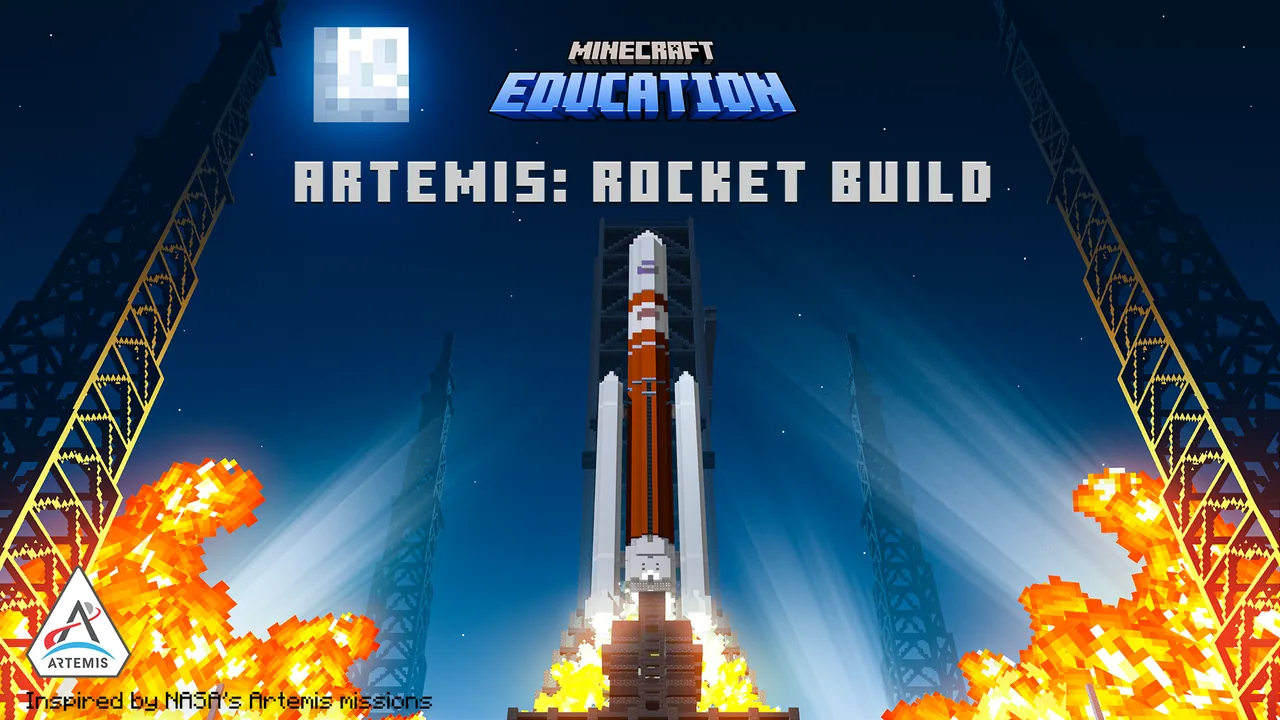
Humanity is preparing to return to the Moon through NASA's Artemis program, setting the stage for future exploration of Mars. In this lesson, students explore the science behind rocket propulsion, investigating how Newton's laws of motion govern rocket flight, how fuel choices generate thrust, and how the Space Launch System components function together.
Using Minecraft Education, learners begin inside Launch Control to study mission objectives and physics principles. They then enter the Vehicle Assembly Building to engineer, customize, and launch a satellite, a cargo rocket, and a crew-carrying rocket while managing realistic design constraints and budgets.
Learning objectives
By the end of this lesson students will be able to:
- Explain the mission goals and milestones of NASA's Artemis program.
- Describe how Newton's three laws of motion relate to rocket propulsion and flight.
- Identify the primary structural and propulsion components of the Space Launch System.
- Assemble, paint, and launch satellite, cargo, and crewed rockets within a pre-set budget.
Blocks and items used in this lesson


Key vocabulary
- Space Launch System (SLS)
- NASA's heavy-lift rocket designed to launch crew and cargo on lunar missions.
- Newton's First Law
- The principle that an object remains at rest or in uniform motion unless acted upon by an outside force.
- Newton's Second Law
- The mathematical relationship (F=ma) showing that force equals mass times acceleration.
- Newton's Third Law
- The scientific principle stating that every action has an equal and opposite reaction.
- Orion
- The spacecraft built to carry astronauts into deep space and return them safely to Earth.
- Interim Cryogenic Propulsion Stage
- The upper stage of the SLS rocket that provides propulsion to send Orion toward the Moon.
Before class
Lesson sequence
Suggested timing: about 55 minutes in total.
- Arrival at Launch Control15 min
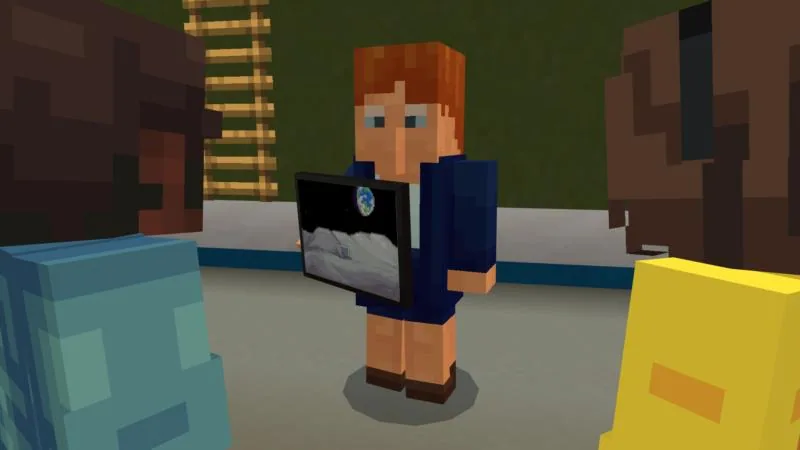
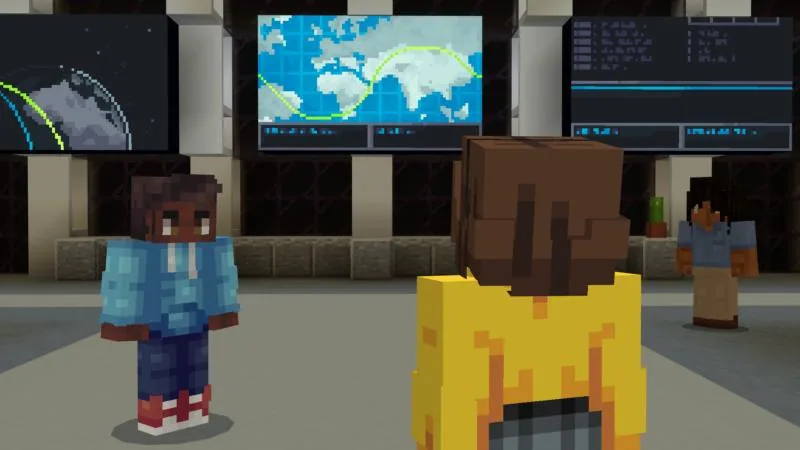
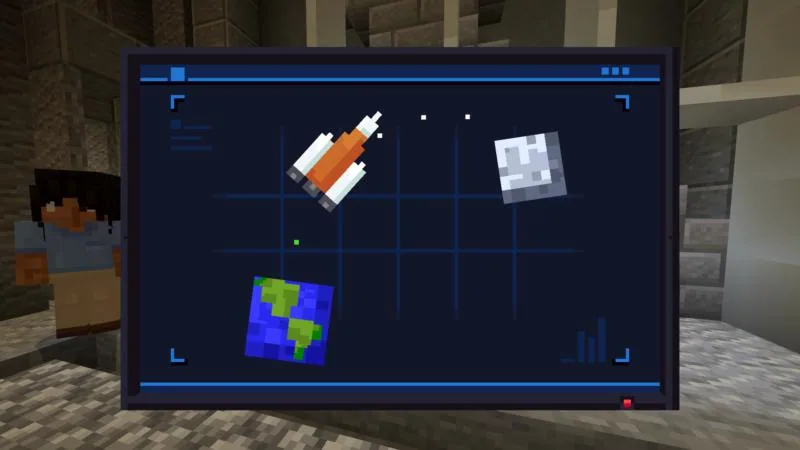
Students explore the Launch Control area and complete introductory lessons covering the goals of the Artemis program, including landing the first woman and person of color on the Moon and building towards human missions to Mars.
- Rocket Science and Propulsion10 min
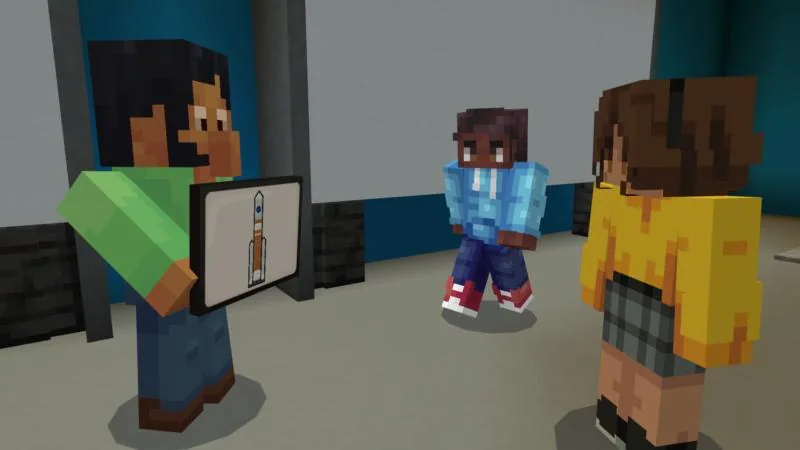
Students examine Newton's three laws of motion and discover how rocket fuels, such as liquid hydrogen and solid PBAN, power the Space Launch System's core stage and boosters.
- Vehicle Assembly: Satellite and Cargo Builds10 min
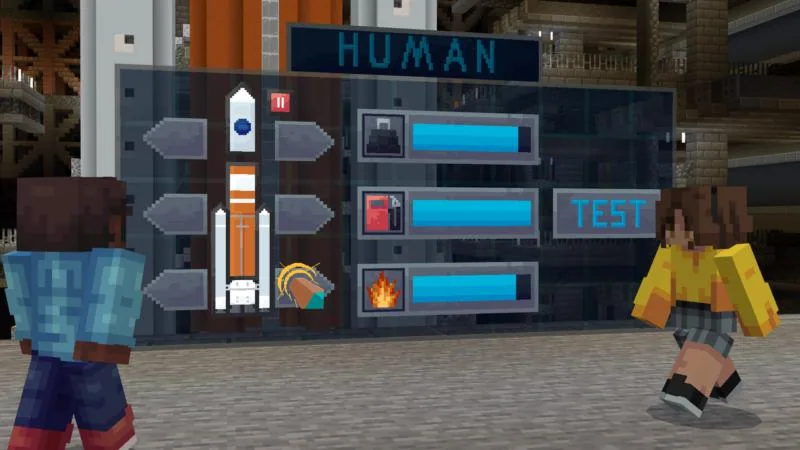
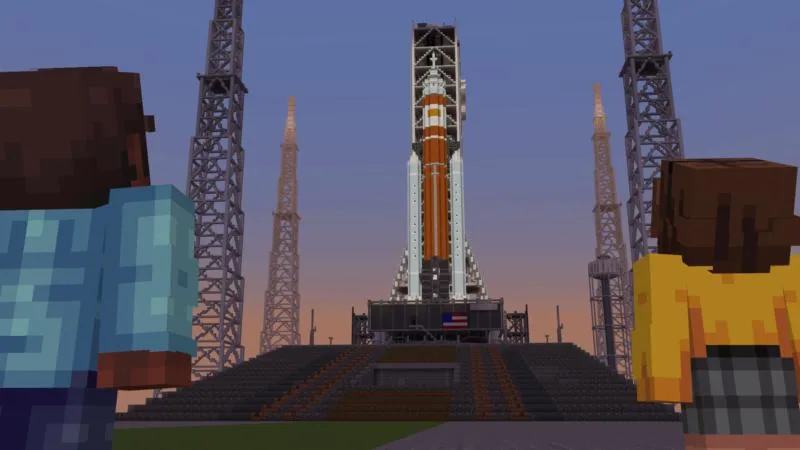
Learners move to the Vehicle Assembly Building to prototype, customize, paint, and launch both an uncrewed satellite and a cargo rocket under pre-set budget constraints.
- Crewed Rocket Build and Launch15 min
Students construct and paint a crew-sustaining rocket designed for human transport, balancing component costs against their budget and testing their build with an accurate launch angle.
- Debrief and Mission Review5 min
Students review their launch outcomes, comparing how Newton's laws influenced rocket design choices and discussing the timeline of the Artemis missions.
Video
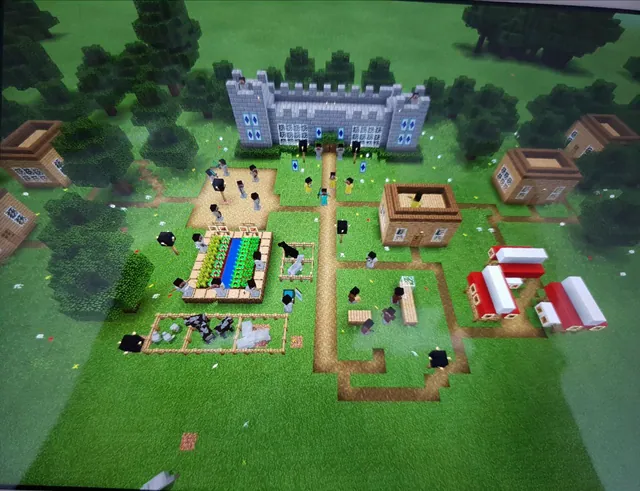
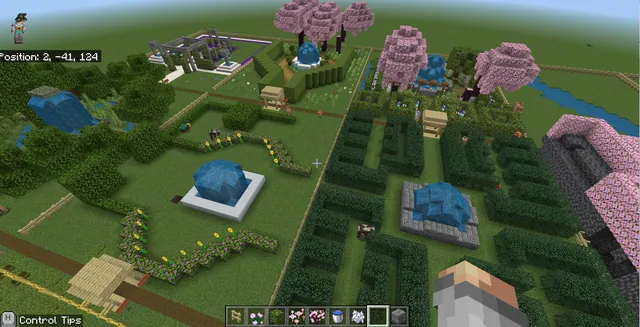
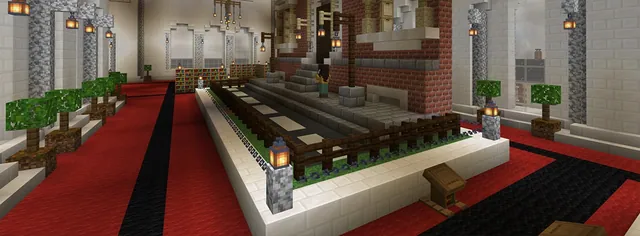
Inside the lesson world
Assessment: success criteria
- Completion of the four classroom learning stations inside the Launch Control area.
- Successful assembly, customization, and launch of a satellite within the assigned budget.
- Successful assembly and launch of a cargo rocket meeting financial constraints.
- Successful launch of a crewed rocket built within budget and positioned at an accurate launch angle.
Differentiation
Allow students to work in pairs and review the in-game informational notes before making purchasing decisions in the assembly building.
Direct students to complete the Challenger Center extension activities to analyze mission telemetry and optimize their vehicle designs.
Knowledge check
5 questions to check understanding after the lesson. Tap an answer to see if it is right; the score appears at the end.
1What was the primary objective of the completed Artemis I mission?
Answer: B. Artemis I was an uncrewed test flight completed in December 2022 to prove Orion's systems before crewed launches.
2Which formula defines Newton's Second Law of Motion?
Answer: C. Newton's Second Law is expressed mathematically as F=ma, meaning force equals mass times acceleration.
3What fuels power the Artemis rocket discussed in the lesson?
Answer: D. The lesson specifies that the rocket is powered by liquid hydrogen and polybutadiene acrylonitrile (PBAN).
4What will the crew of the Artemis III mission do after docking with Gateway?
Answer: A. During Artemis III, astronauts will dock with Gateway and use the Human Landing System to reach the South Pole of the Moon.
5What constraint must students manage when assembling rockets in the Vehicle Assembly Building?
Answer: C. Students are required to prototype, design, paint, and launch their rockets based on a given budget.
Resources
- Lesson package (.zip)Everything the author attached to this lesson in one download.
- Educator GuideArtemis: Rocket Build Educator Guide
- Presentation SlidesArtemis: Rocket Build Classroom Presentation
- Challenger Center Extension ActivitiesThe Challenger Center has created a suite of lesson extensions that educators can share with students to expand upon their learning.
- Lesson worldOpens the world page in Minecraft Education (sign-in with a school account may be needed).
Frequently Asked Questions
Can this lesson be used in settings outside a regular science classroom?
Yes. The materials are suitable for STEM labs, afterschool programs, summer camps, and homeschool environments.
What grade levels can participate in this activity?
The content is adaptable across ages 6 through 18, with the core in-game instruction designed for learners ages 8 to 18.
What rocket types do students build during the in-game mission?
Students engineer and launch three distinct spacecraft: an orbital satellite, a cargo rocket, and a crew-carrying rocket.
Adapted from Artemis: Rocket Build by Minecraft Education on Minecraft Education, last updated Sep 29, 2025. This classroom version, the timings and the quiz were written by 9Minecraft Education.