- Type
- Lesson plan
- Subject
- Language Arts
- Topics
- World Languages
- Grade
- Primary (Grades 3-5)
- Ages
- Ages 8-10
- Skills
- Project Based Learning
How can we visually represent the key elements and conventions of a fantasy world through digital building?
Overview
This project introduces students to the conventions of the fantasy genre by examining the differences between reality, fantasy, and virtual reality. Learners explore how authors and creators imagine fictional environments, mapping out key quest locations that a story protagonist might encounter along their journey.
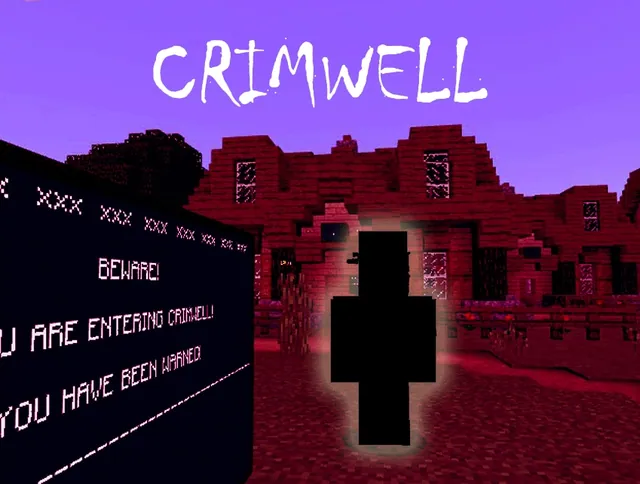
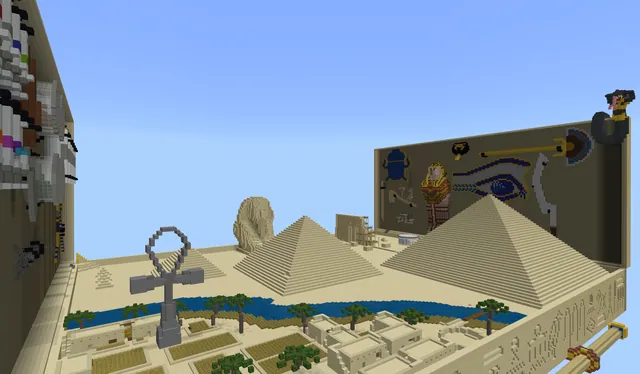
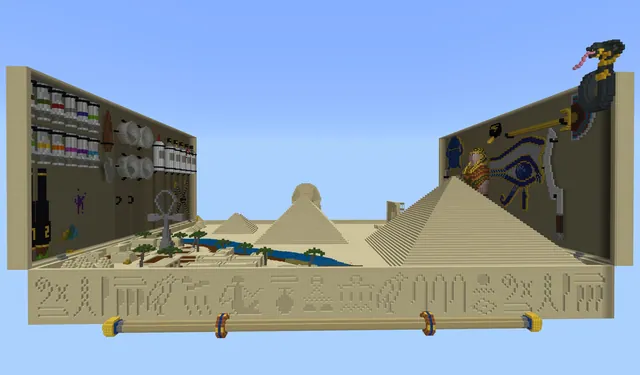
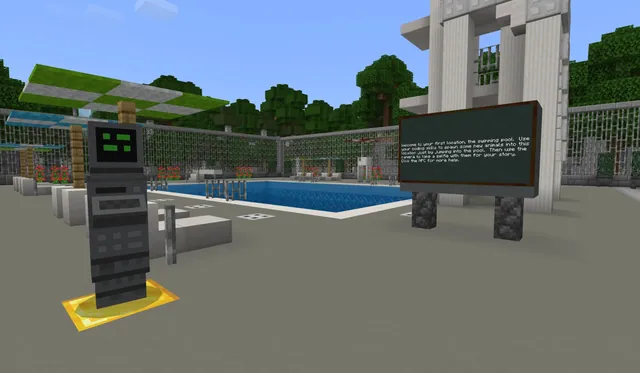
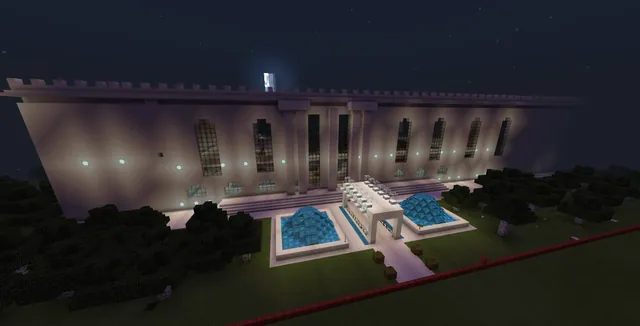
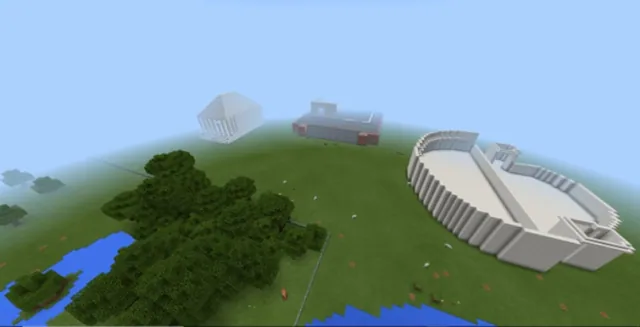
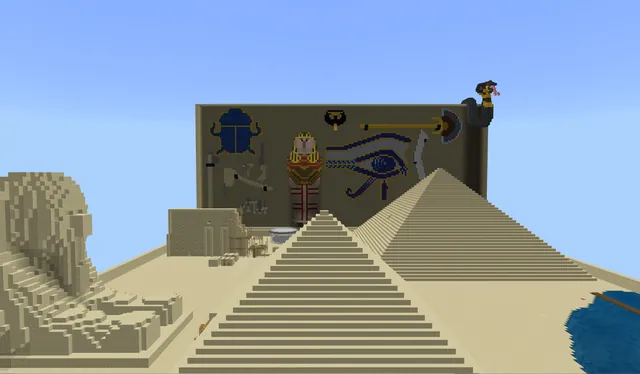
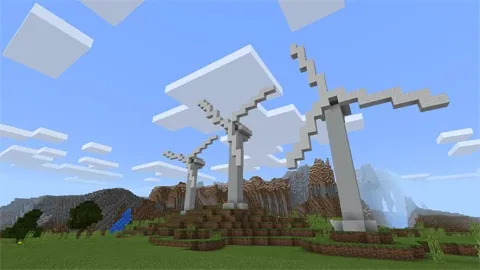
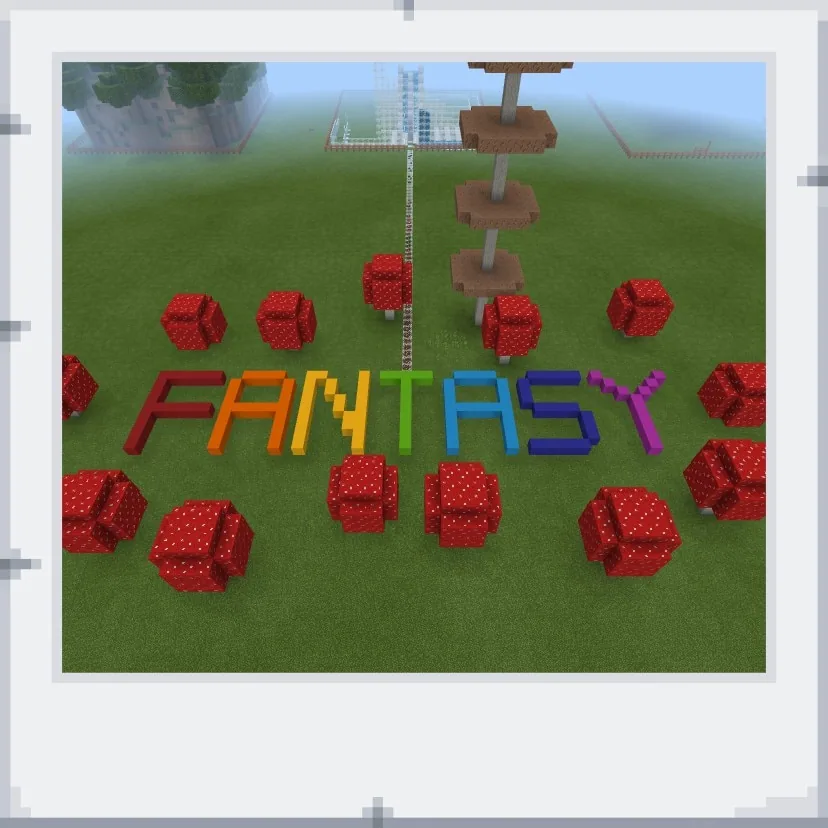
After mapping their conceptual world, students transition into Minecraft Education Edition. Working on individual assigned server plots, each student constructs a three-dimensional representation of a single location from their map, selecting appropriate visual features to bring their fantasy setting to life.
Learning objectives
By the end of this lesson students will be able to:
- Design and label a visual map depicting a fantasy world with quest locations.
- Distinguish between the conventions of reality, fantasy, and virtual reality.
- Select appropriate visual features to represent fantasy settings in Minecraft.
- Construct a single fantasy location on an assigned server plot.
Blocks and items used in this lesson


Key vocabulary
- Fantasy
- A genre of fiction featuring magical, supernatural, or imaginary elements not found in the real world.
- Virtual Reality
- A computer-generated digital environment that users can explore and interact with.
- Protagonist
- The leading character or hero in a story who undertakes a quest.
- Genre Convention
- A common feature, theme, or setting typical of a specific style of literature or storytelling.
Before class
Lesson sequence
- Exploring Fantasy Conventions
Lead a class discussion comparing reality, fantasy, and virtual reality. Review the core conventions of fantasy storytelling, focusing on how settings influence a protagonist's quest.
- Mapping the World
Students complete their fantasy world map on the provided template, either inventing an original world with a title and labeled locations or visually mapping the setting from their class novel. Completed maps are uploaded to STILE.
- Planning the Build
Students review their completed maps and select exactly one fantastical area to recreate in Minecraft. They plan which blocks and visual elements will best convey the mood and features of that location.
- Plot Construction
Learners log into the Minecraft server, locate their assigned plot, and follow the student rules of engagement while constructing their selected fantasy location.
- Assessment and Review
Students evaluate their work against the representation marking criteria, ensuring their digital build visually reflects the intended elements of their fantasy map.
Assessment: success criteria
- The student submitted a completed, labeled map showing quest locations.
- The Minecraft build clearly represents a chosen location from the map.
- Visual elements and block choices align with fantasy genre conventions.
- The student followed the classroom rules of engagement on the server.
Differentiation
Students who find original world-building challenging can map and construct a location directly from the fantasy novel studied in class.
Advanced learners can create a complex original fantasy world featuring multiple distinct territories and intricate architectural details on their plot.
Knowledge check
5 questions to check understanding after the lesson. Tap an answer to see if it is right; the score appears at the end.
1What must be included on the fantasy world map?
Answer: A. The assignment requires students to include various fantastical locations a protagonist would encounter on their quest.
2How much of the mapped world do students build in Minecraft?
Answer: B. Students select one specific area from their map to virtually represent in Minecraft.
3If a student does not create an original world, what alternative can they use?
Answer: C. The guidelines allow students to visually represent and label the world depicted in their class novel.
4Where do students build their fantasy location inside Minecraft?
Answer: D. Students are given a small plot of land within the server to construct their location.
5Which platform is specified for uploading the completed map?
Answer: A. The lesson instructions specify that the map needs to be uploaded to STILE by the due date.
Resources
- Lesson package (.zip)Everything the author attached to this lesson in one download.
- Assessment notification
- Minecraft Installation Guide
- Student 'Rules of Engagement'
- Setting up students in your world + Tips
Frequently Asked Questions
Do students have to invent a world from scratch?
No. Students can either invent an original fantasy world or create a visual map and build based on the fantasy novel studied in class.
How should teachers prepare the Minecraft server?
Teachers should set up a shared world divided into small individual plots so each student has a dedicated building space and clear boundaries.
Adapted from Virtual Fantasy Worlds by Connor Boyko on Minecraft Education, last updated Jul 12, 2018. This classroom version, the timings and the quiz were written by 9Minecraft Education.