- Type
- Lesson plan
- Ages
- Ages 8-13
- Duration
- 45 min
- Level
- Beginner
How can we use English language structures and block coding to address environmental problems and make our city greener?
Overview
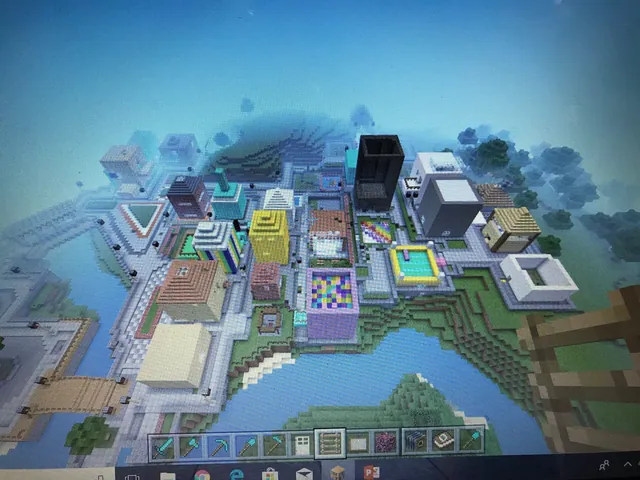
This English Language Teaching (ELT) lesson combines language acquisition with environmental citizenship and basic computer science. Working in pairs or small teams, learners enter a digital city to examine common urban problems such as traffic, lack of parking, energy waste, and inadequate green spaces. Through peer dialogue, students practice functional language to give directions, propose green solutions, speculate about future outcomes, and express regret over harmful past habits.
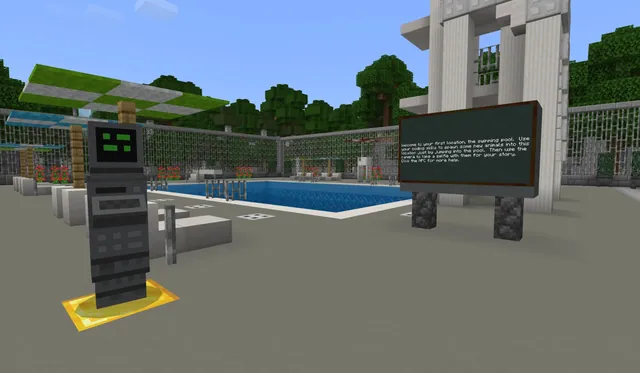
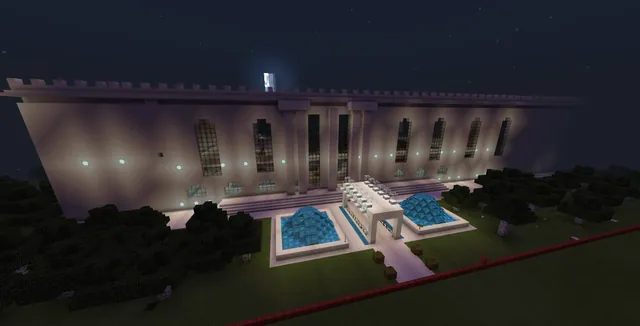
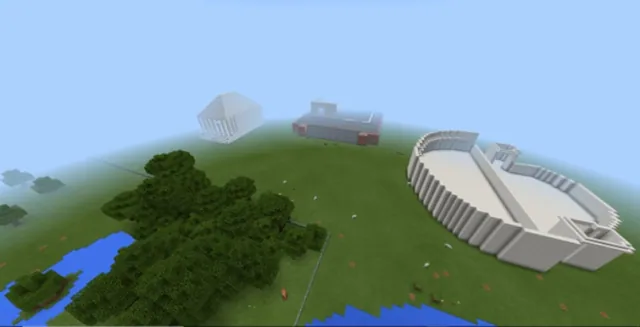
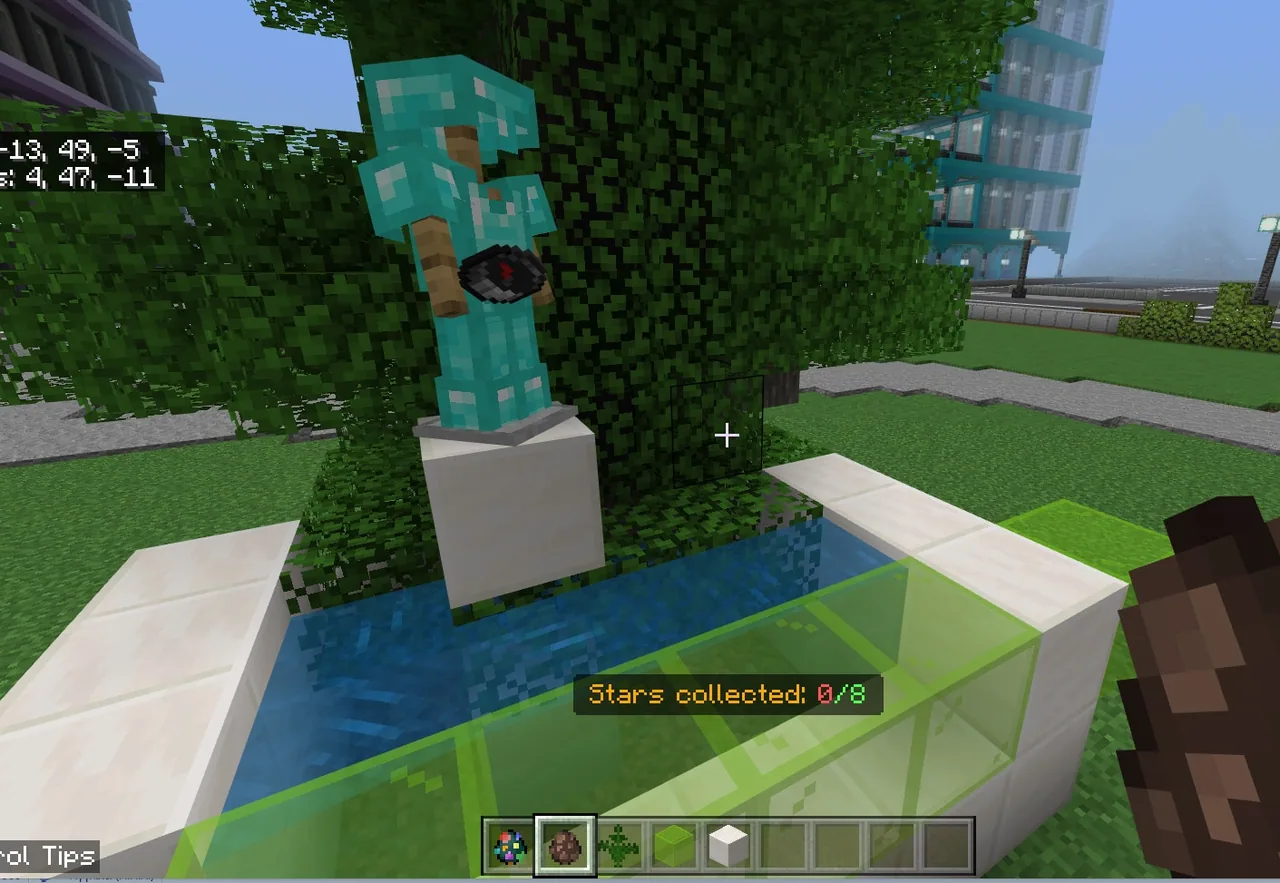
Inside Minecraft, students navigate urban streets, consult non-player characters (NPCs) stationed across the map, and gather at the Town Hall for collaborative brainstorming. They apply block coding to resolve practical urban challenges, such as commanding the Agent to plant greenery along roadsides, while documenting their work with in-game photos for portfolio reflection.
Learning objectives
By the end of this lesson students will be able to:
- Communicate in English with peers to discuss urban environmental problems and propose sustainable solutions.
- Apply language structures including conditionals, modals, and wish statements to express regrets about past habits and speculate on future outcomes.
- Follow directions and instructions provided by non-player characters throughout the city.
- Use simple block coding commands to program the Agent to solve urban challenges such as planting trees.
Blocks and items used in this lesson


Key vocabulary
- Sustainable Transportation
- Methods of traveling, like walking, cycling, or clean transit, that do not damage the natural environment.
- Renewable Energy
- Power generated from natural resources that naturally replenish, including solar, aeolian (wind), and water energy.
- Speculation
- Discussing possible future events or consequences using conditional forms and modal verbs.
- Block Coding
- A visual programming method using connected command blocks to instruct in-game characters like the Agent.
Before class
Lesson sequence
Suggested timing: about 45 minutes in total.
- Town Hall Brainstorm10 min
Students gather at the in-game Town Hall in pairs or small groups. They hold an opening discussion about urban challenges, using target vocabulary related to energy, transportation, and green spaces while formulating wishes and regrets about past environmental habits.
- Street Navigation and NPC Briefings15 min
Learners walk through the city streets to locate non-player characters. Students read the NPC instructions, discuss emerging civic issues such as parking and energy waste with their partners, and practice giving and following directions in English.
- Coding and Greening Challenges12 min
Teams tackle practical environmental tasks along their route by writing simple block code. Students program their Agent to assist the city, such as planting trees, flowers, or other vegetation along street sides to increase green cover.
- Documentation and Reflection8 min
Students capture in-game photographs at each completed challenge cache as evidence of work. To conclude, each learner writes a short reflection for their portfolio assessing their language use, collaboration, and coding strategy.
Assessment: success criteria
- Active participation in pair or group dialogue using English throughout the session.
- Correct functional use of modals, conditionals, and wish structures when discussing civic issues.
- Successful execution of simple block coding routines to solve environmental tasks with the Agent.
- Completed portfolio documentation including captured photos from challenge caches and a self-reflection.
Differentiation
Provide sentence frames for modals, conditionals, and wishes, and pair struggling learners with supportive peers to assist with coding basics.
Task fast finishers with writing more advanced block code that programs the Agent to plant varied patterns of trees and flowers across multiple city blocks.
Knowledge check
5 questions to check understanding after the lesson. Tap an answer to see if it is right; the score appears at the end.
1Where do students first meet in the Minecraft world to discuss city problems?
Answer: B. The lesson plan outlines that students enter the Town Hall to discuss city problems and brainstorm plans.
2Which grammatical structures are specifically targeted when discussing past habits and future consequences?
Answer: A. The source identifies modals, conditionals, wishes, and unreal past as key language targets for speculating and expressing regrets.
3Why is working individually not recommended for this lesson?
Answer: C. The teacher prep notes specify that solo play is discouraged because the main goal is peer communication in English.
4How do students solve practical greening tasks like planting street trees?
Answer: C. Students are instructed to use simple block coding, such as programming the Agent to plant trees and flowers along the streets.
5What evidence do students collect to document completing their tasks?
Answer: B. Students document completion by taking pictures at caches and adding a brief reflection to their learning portfolio.
Resources
- Lesson package (.zip)Everything the author attached to this lesson in one download.
- Teacher GuideGiving instructions to teachers on how to use the game.
- The City where we Live_let's Green itppt to facilitate the game.
Frequently Asked Questions
What group size works best for this lesson?
Students should be placed in pairs or small groups of four. Individual play is not recommended because the lesson focuses heavily on natural interaction and conversation in English.
What coding platform is used for the challenges?
The lesson uses block-based coding through MakeCode, allowing learners to program the in-game Agent to execute tasks such as planting greenery along roads.
What game mode and difficulty should be selected?
The activity is set by default to Creative mode on Easy difficulty, but teachers may adjust these settings based on classroom experience and preference.
Adapted from The City where we live. Let's green it! by DIDA PAPALEXIOU on Minecraft Education, last updated Mar 7, 2025. This classroom version, the timings and the quiz were written by 9Minecraft Education.